Doing It Yourself
Itasca's housing stock centers on 1978, which puts most garages here past the point where builders still hung twin extension springs on the side rails.
Late-1970s spring standard
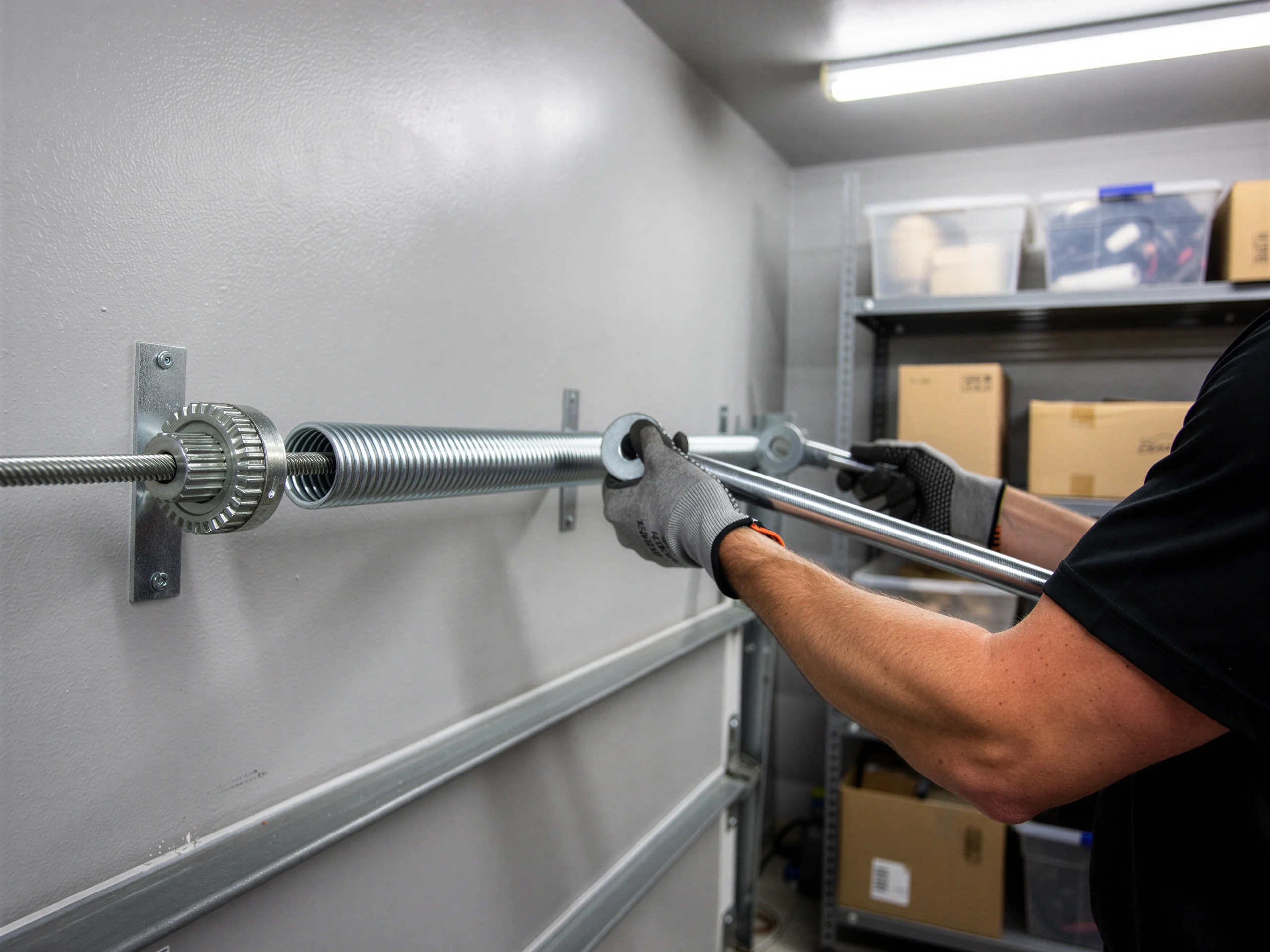
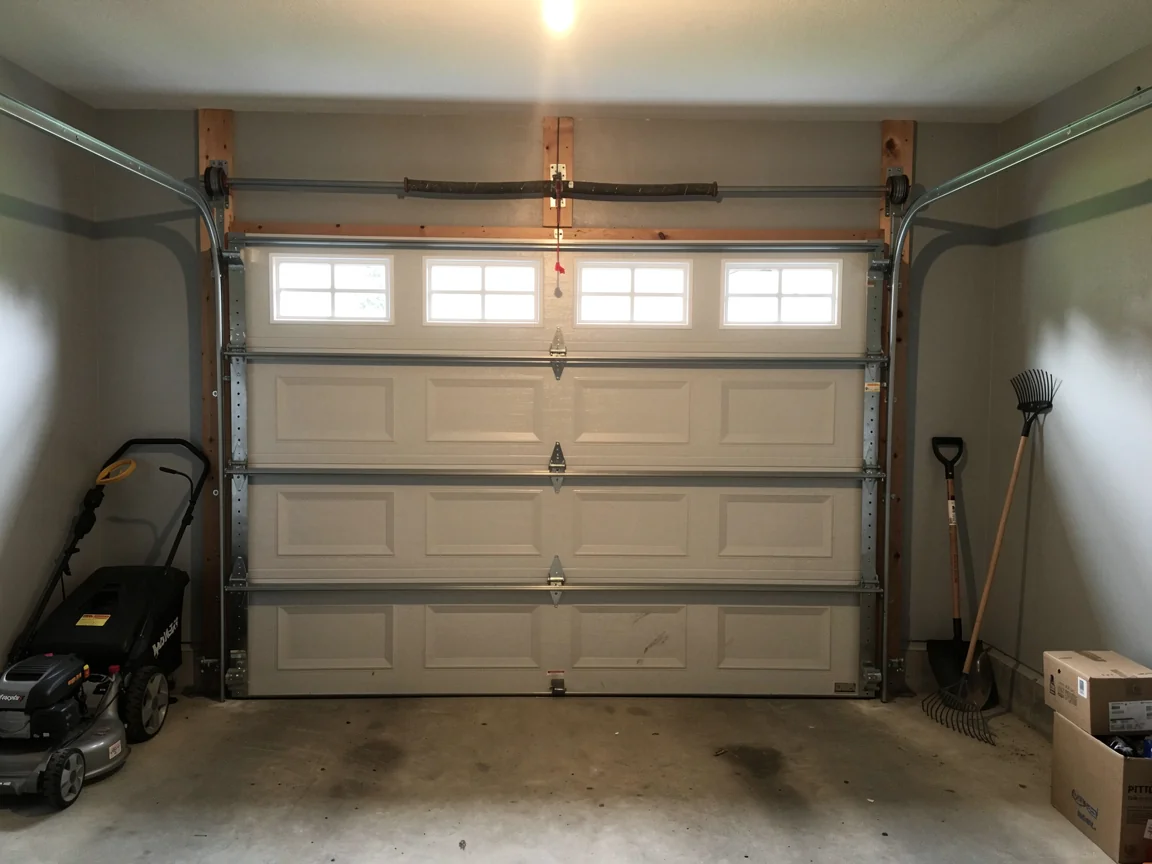
By the late 1970s, torsion spring setups - the single spring wound tight over the header, above the door - had become the standard across this part of Illinois. That matters for anyone thinking about doing this job themselves, because a torsion spring under full wind stores enough force to break a wrist or worse if the winding bars slip.
Extension spring pockets
Extension springs, the kind you still find on the older pockets of housing scattered through the wider service area, are lower-tension and more forgiving to handle, but they're also not what you're dealing with in most Itasca garages. We're not going to pretend this is a weekend project.
Coil gap call trigger
If your door won't budge and you can see a gap in the coil over the header, that spring is broken or close to it, and the safe move is to leave the winding cones alone and call someone who does this daily. Loosening the wrong set screw on a wound torsion spring has put people in the hospital. There's no shame in that - it's a specialized job, not a complicated one, and it's not worth the risk to save a service call.
How We Fix It
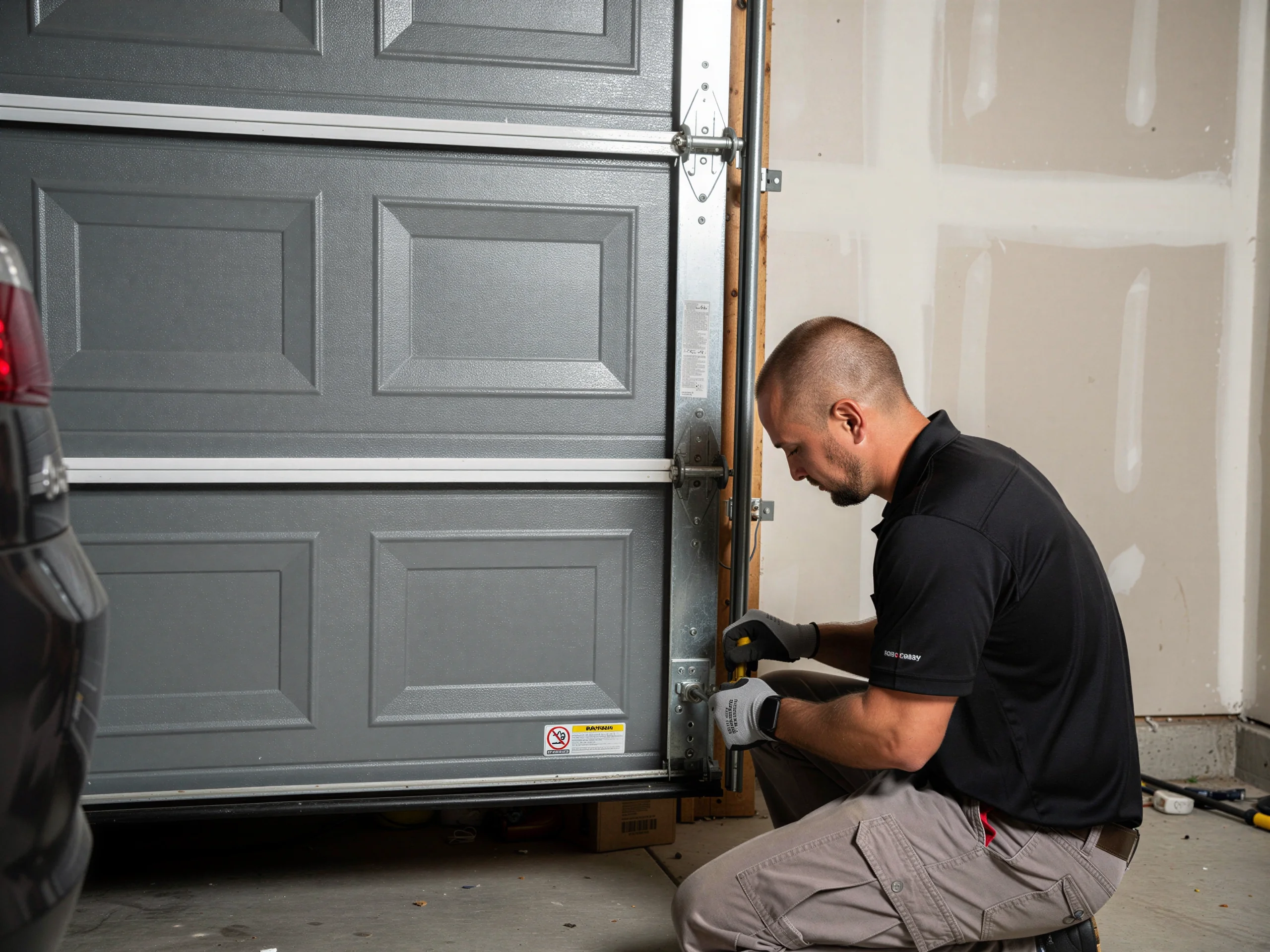
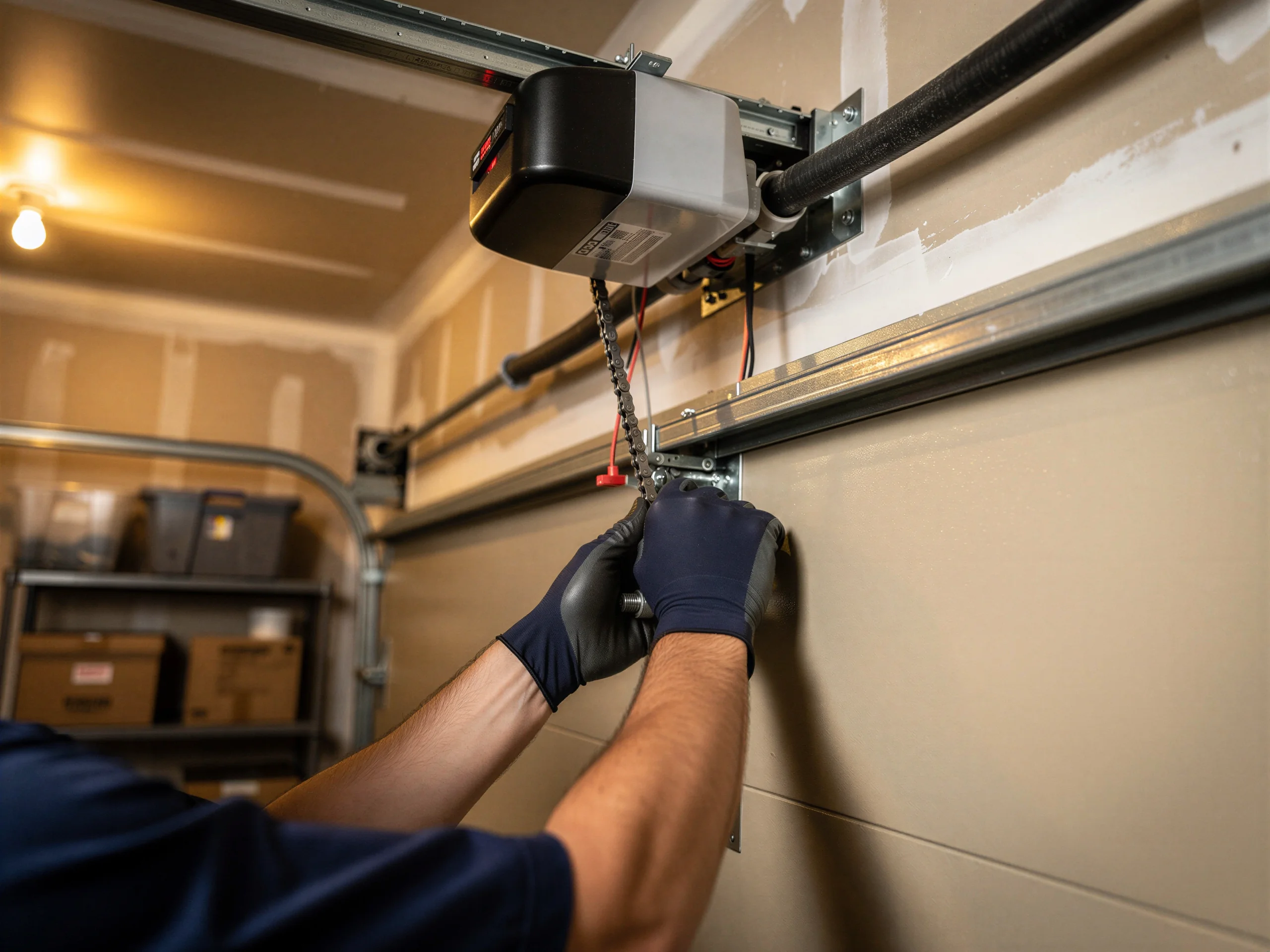
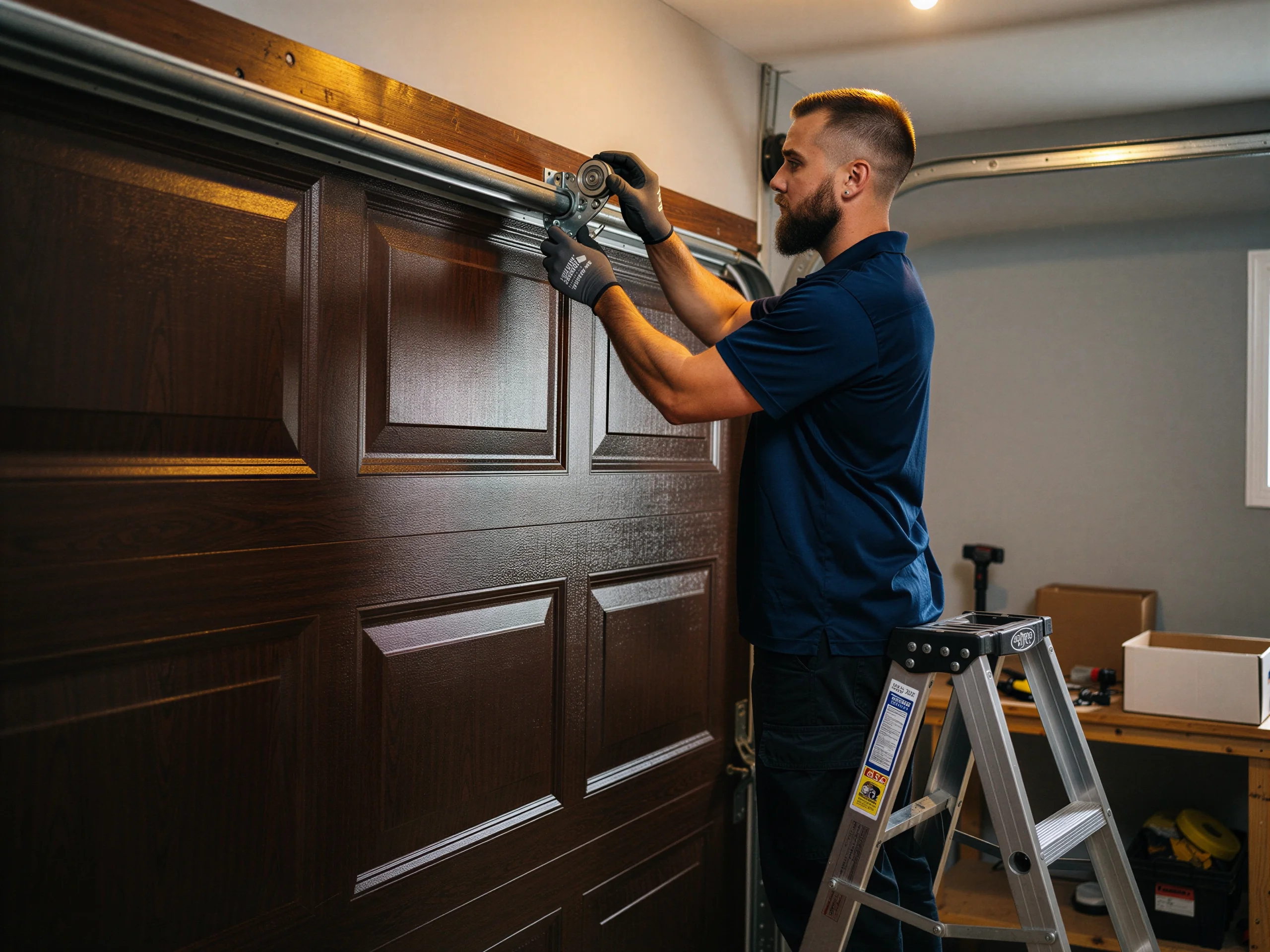
We unwind the old spring with winding bars under control, never by cutting it loose, then pull the stub shaft and cones off the header bracket.
Weight-matched spring sizing
On a door from the 1978 era that's still running its original hardware, we match the new spring to the door's actual weight and wire gauge rather than guessing off a chart - a torsion spring sized wrong will either strip the opener or leave the door too heavy to lift by hand if the power goes out.
Turn-count balance check
Once the new spring's set and wound to the right number of turns, we check balance by hand: a properly sprung door should sit still at any point on the track, not drift up or slam down. We also check the cable drums and the bottom brackets while we're in there, since a spring rarely fails on its own.
Repeated cold cycling
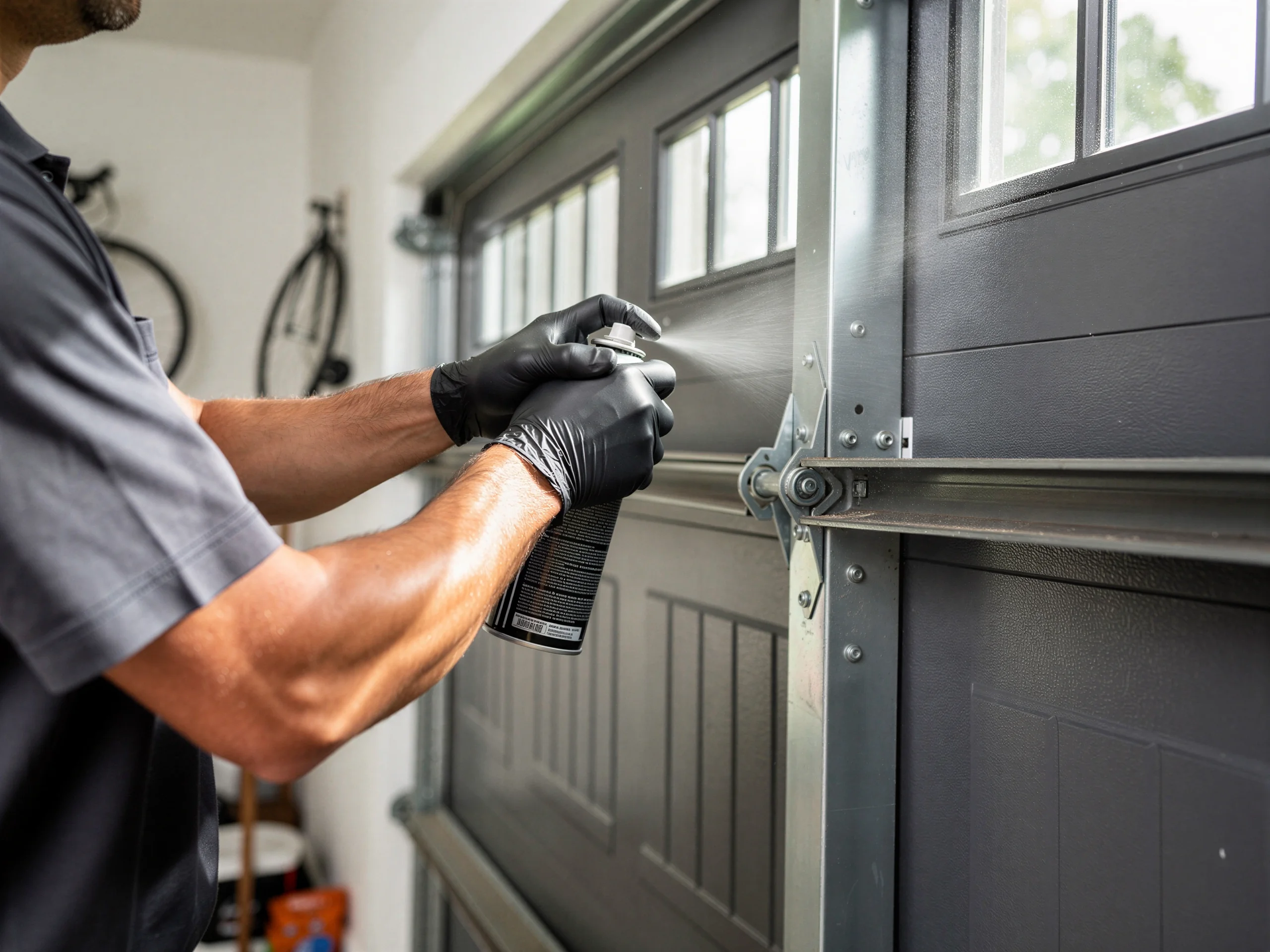
This region sits in a cold moderate climate band, and steel fatigues faster through repeated cold-to-warm cycling than it does in a mild climate - so we look at the other spring on a double-torsion setup too, since if one's gone, the other is usually not far behind. We lubricate the new spring and the track hardware before we leave, which matters more here in winter than it does in July.
What Is on the Truck
We stock torsion springs in the common wire sizes and wind lengths that match the 1960s-through-1990s door hardware that makes up most of this service area's housing stock, which covers the great majority of Itasca calls without a special order. What we don't carry in volume are the odd-length extension springs and obsolete drum sizes you sometimes find on a door that's never been touched since it was installed - those are rarer here given Itasca's 1978 median build year, but they still turn up occasionally on an older garage. If we hit one of those, we'll tell you straight: the job may need a part ordered in, and we're not going to install a spring that's close-enough on size just to finish the visit same-day. That's the one honest limit on this service - we'd rather come back with the right part than leave you with a door that's under- or over-sprung.
Booking a Visit
We run out of Elk Grove Village, and Itasca sits about 2 miles out, which keeps it an easy add to the day's route without it being a dedicated branch or depot - there's no Itasca office, just a truck that comes over when you call. You can see the rest of the towns we reach on the coverage page. If you're comparing this page to the main spring repair writeup for our home base, that's the Elk Grove Village spring repair page - this one's specifically about what a broken spring looks like on the housing stock out here, not a general service rundown. Tell us the door's symptom when you call - won't open, sagging on one side, a loud bang followed by nothing - and we'll bring the right spring sizes for it.
How It Shows Up
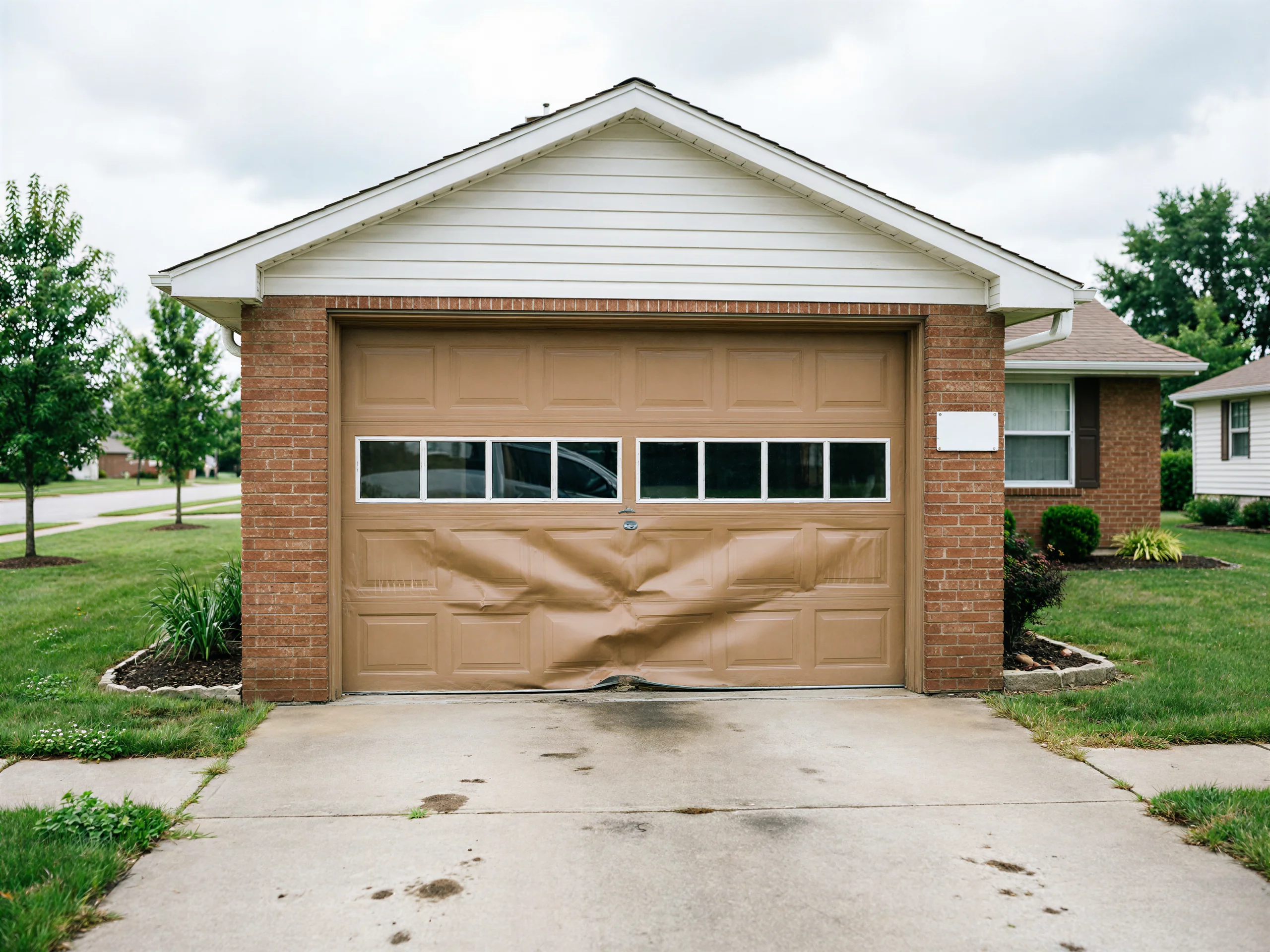
The most common version: the door was fine yesterday, and today it won't lift, either by the opener or by hand, and it feels like dead weight.
Sudden snapping bang
Sometimes there's a loud bang from the garage first - that's the spring itself snapping, usually when nobody's standing near it. Other times it's quieter: the door starts sagging unevenly, one side lower than the other, because one spring on a double-torsion setup has given out while the other's still holding.
Twice-as-heavy feel
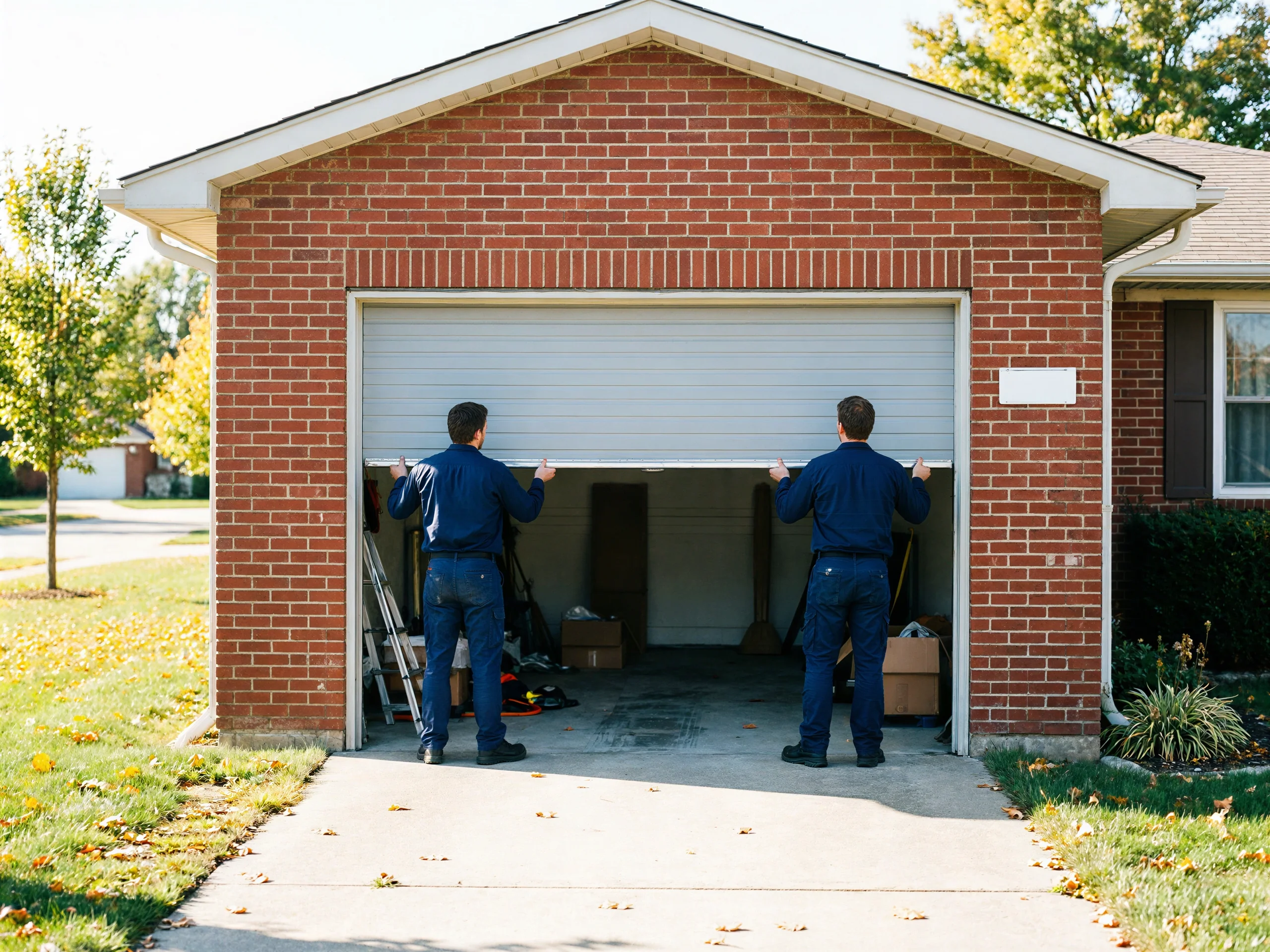
If you pull the emergency release and try to lift the door by hand and it feels like it weighs twice what it should, that's a spring problem, not an opener problem.
Spring-not-opener diagnosis
None of this is specific to any one garage in Itasca - it's the same physics on every torsion-spring door - but knowing it's the spring and not the opener motor saves you a wasted call to the wrong kind of repair.
How Long You Are Without the Door
If the spring size is one we carry - which is most of them, given how much of this area's housing dates to the 1970s and 80s build window - the door's back in service the same visit, usually within an hour or two of the truck arriving. The slower case is a mismatched or discontinued spring, which happens more on an older or previously-modified door than on typical Itasca stock, and in that case you're looking at the door staying down until the part arrives, sometimes the next day. We'll give you a straight answer on which situation you're in before we start, not after. With 3,827 households in Itasca and a median income of $111,898 - noticeably above the $105,461 median across the wider coverage area - most of these are owner-occupied homes where a stuck garage door is the only way in or out for a car, so we try not to leave a job half-finished overnight if a same-day part will work.
Talk to a local pro
Garage door service in Elk Grove Village?
Same-day service with honest, upfront quotes.