Doing It Yourself
A lot of homeowners here start with a trip to the big box store, measure the opening, and order a door off the shelf. That works fine in a subdivision built last year where every stud bay is standard.
Modern door, older jamb
It works less well in Elk Grove Village, where the housing stock runs from 1938 up through 2001 with a median build year of 1976. A door sized for a modern track system can bind on an older jamb, or leave gaps at the header that a 1970s builder never had to seal because insulation code back then didn't ask for it.
Track depth matching
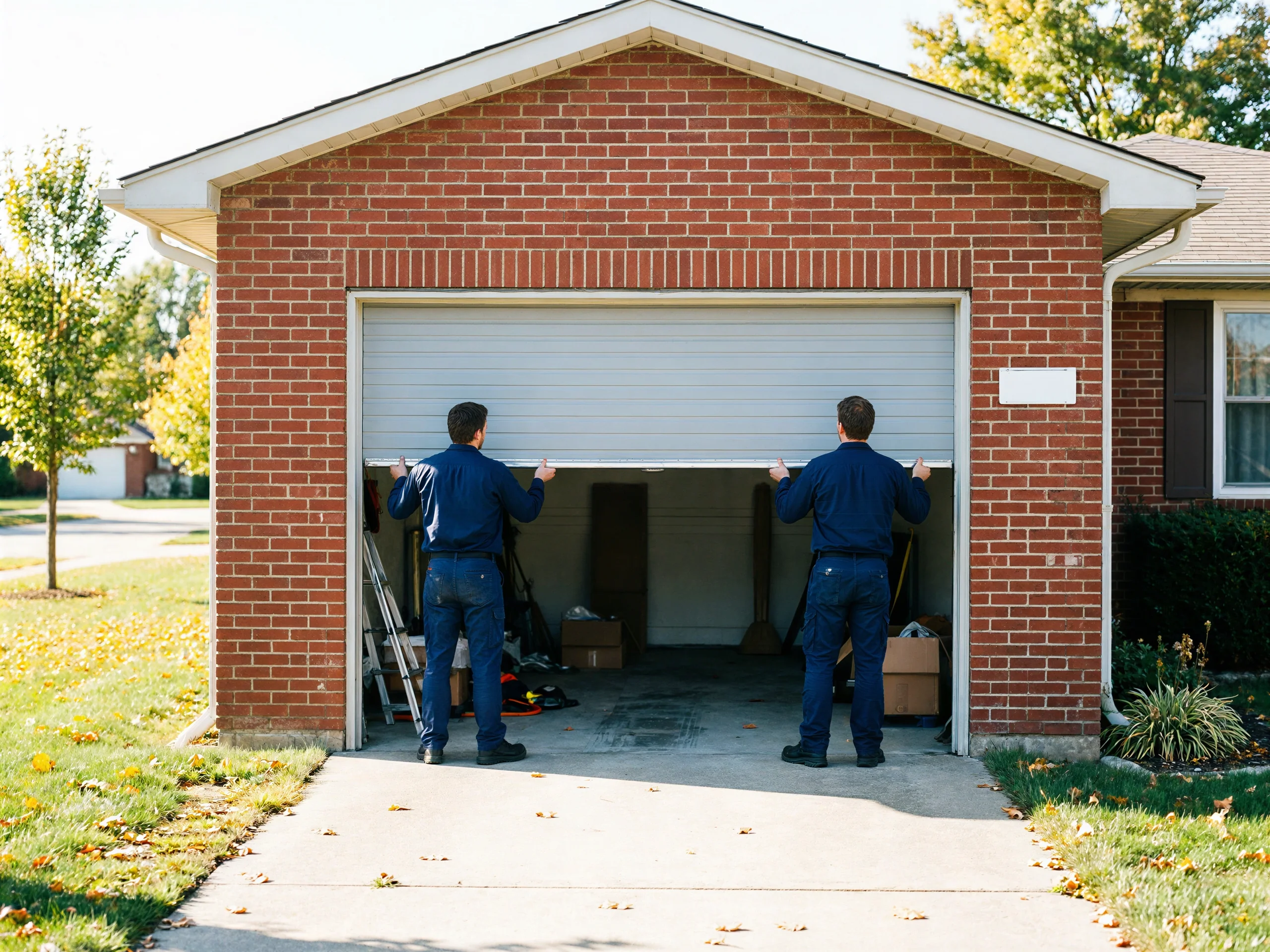
You can hang a door yourself. What's harder to get right without doing this daily is matching the track depth, the headroom, and the jamb condition to a house built under a different set of assumptions than the one the door was designed for.
Hidden framing check
The other DIY trap is skipping the step where you check what's behind the drywall. On a house from the 1960s or 70s, the framing around the opening has usually settled, and it's rarely perfectly square anymore. A new door hung against an out-of-square jamb will look fine on day one and start binding within a season.
Why This Fails Locally
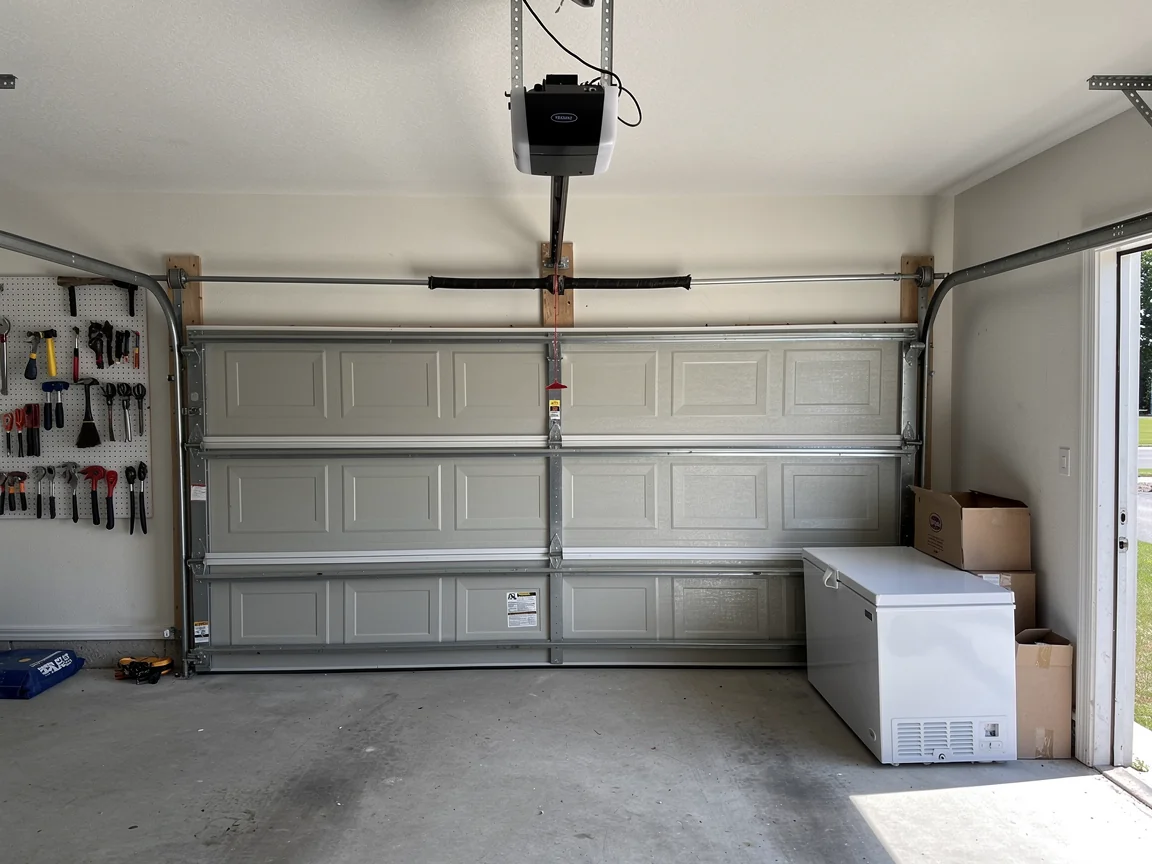
Elk Grove Village sits in a cold-moderate climate band, which means the garage door isn't just holding back weather, it's cycling through real temperature swings every winter. Across the wider area, most homes were built in the 1960s and 70s, and doors from that era, or doors installed since without accounting for the original framing, tend to have gaps at the bottom seal and side jambs that an insulated modern door is supposed to close. When a door doesn't seat right against an older frame, cold air gets into the garage, and if there's a shared wall with living space, that shows up as a cold bedroom floor or a chilly laundry room.
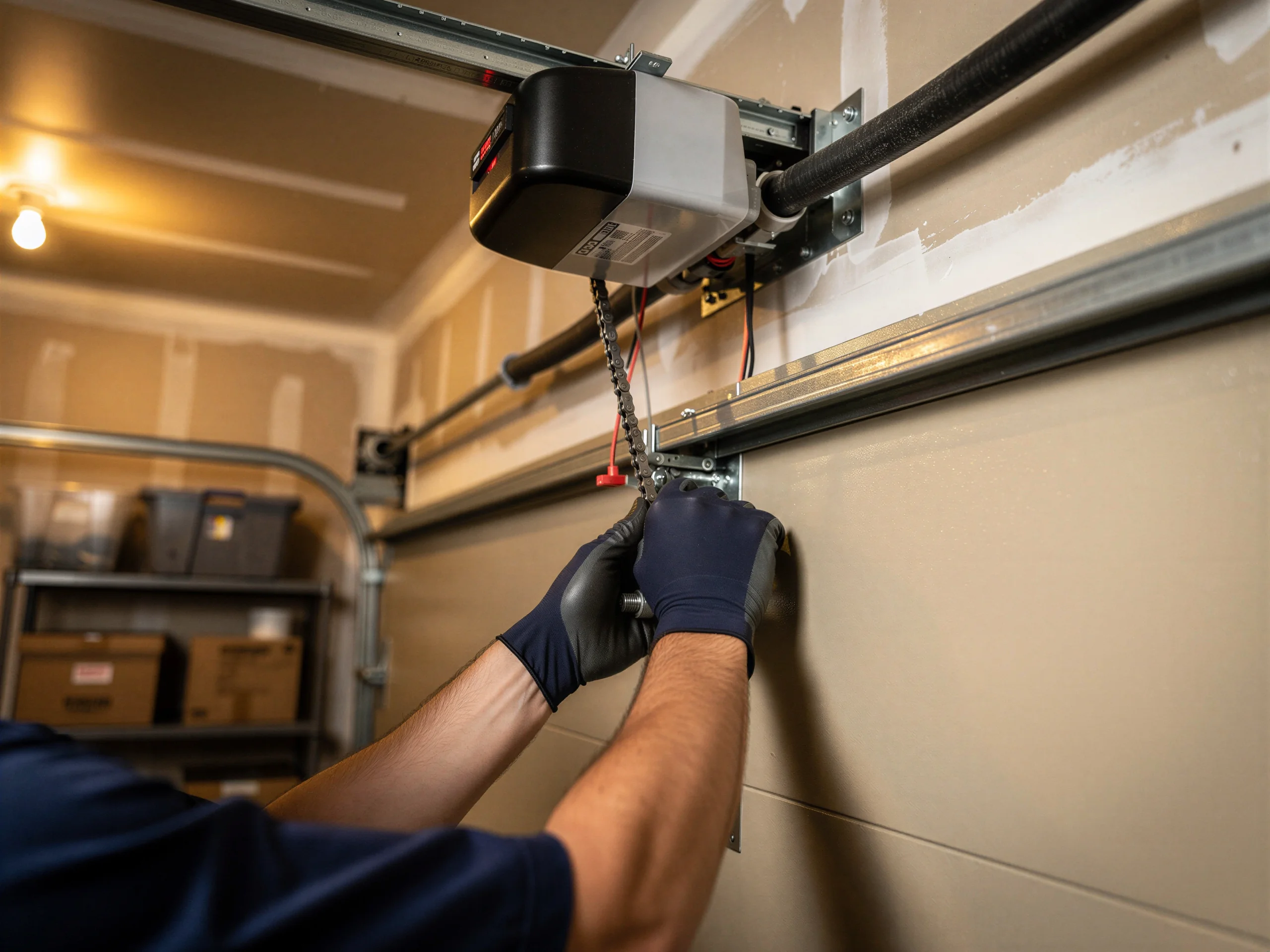
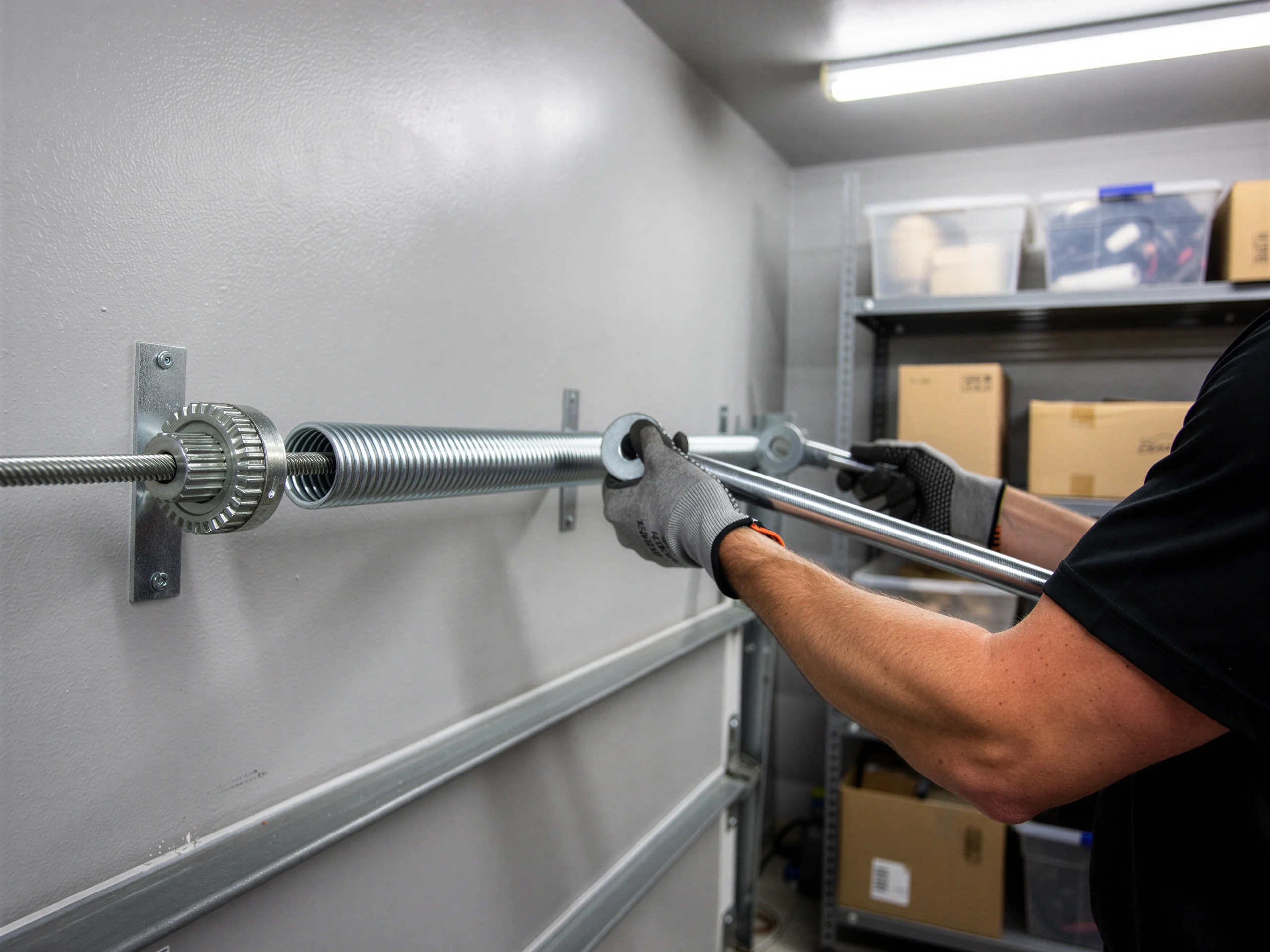
The mismatch is the real issue: a door panel rated for today's energy code, mounted on hardware and framing built to a 1970s standard, doesn't perform like the spec sheet says. The seal gaps, the track flexes more than it should in the cold, and the opener has to work harder to move a door that isn't sitting square.
How It Shows Up
On houses from the older end of that 1938-2001 range, we see doors that drag on one side of the track because the opening has shifted slightly over fifty-plus years.
Seals not touching slab
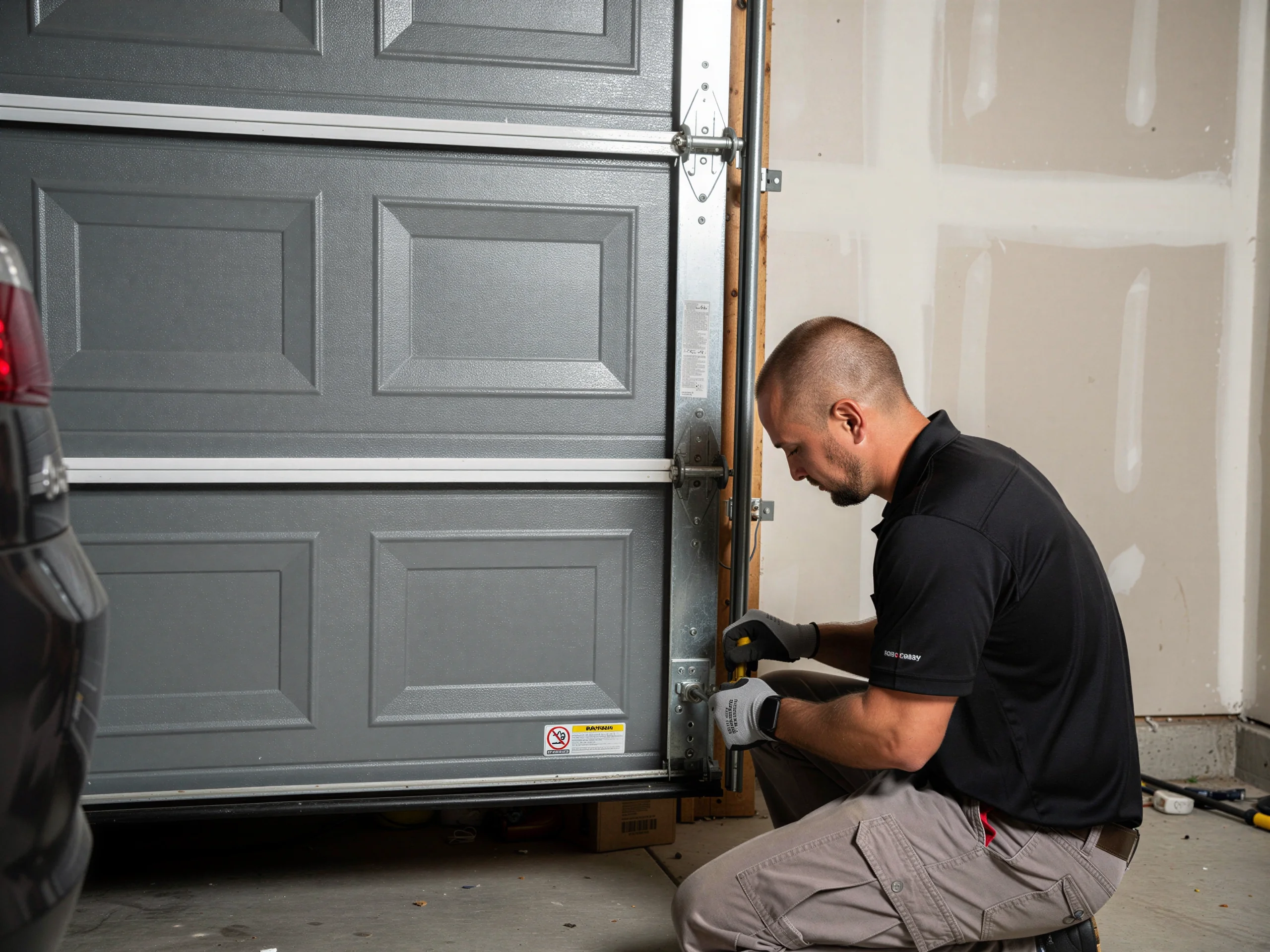
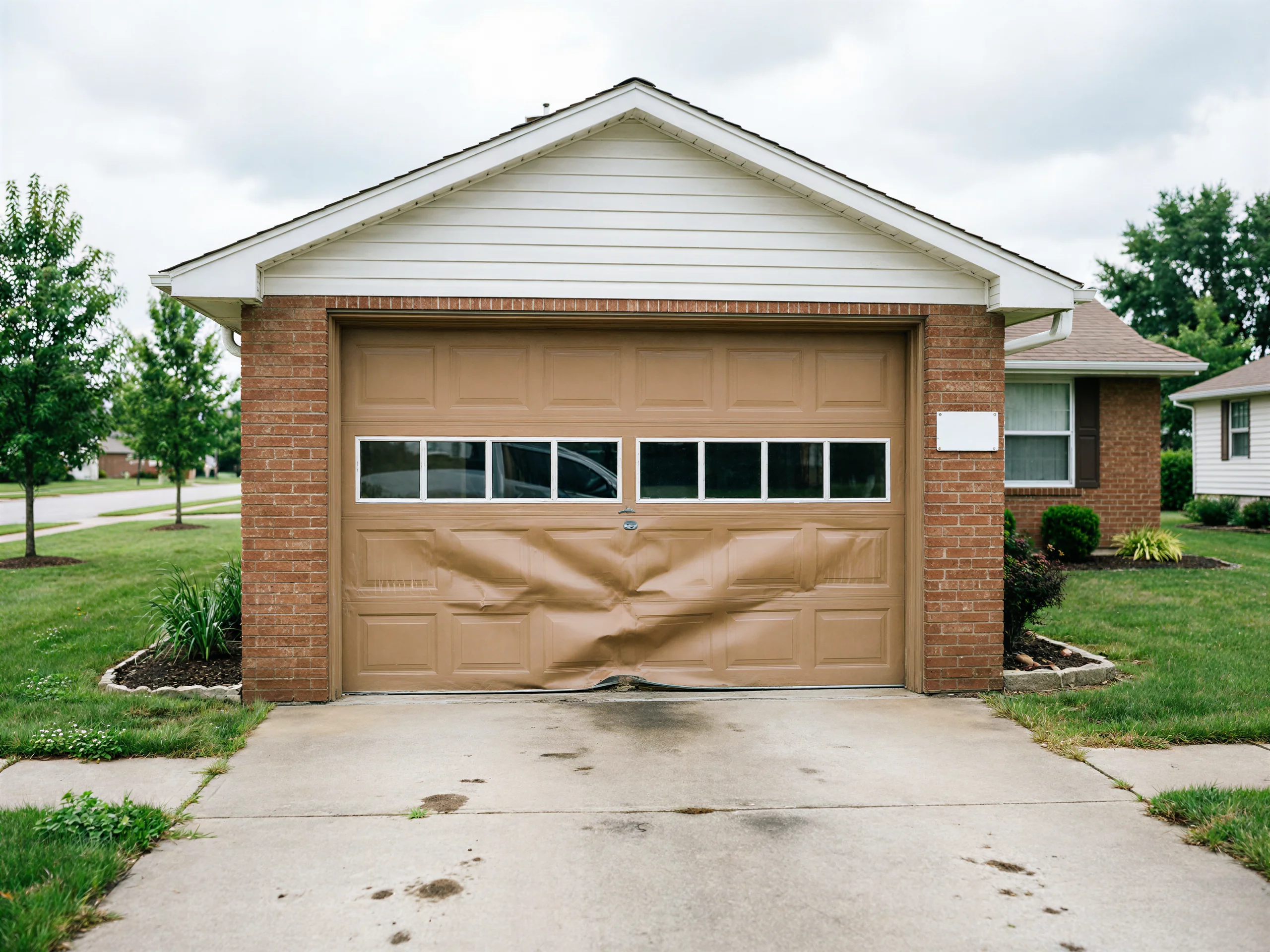
We see bottom seals that never fully touch the slab because the original builder cut the opening a half-inch out of level, and nobody shimmed for it since.
Winter drafts through gaps
In winter, that gap is where the cold air comes in, and homeowners notice it as a draft along the garage floor or frost forming on the inside of the door panel.
Poorly fitted modern doors
We also see doors installed in the last decade that look modern but were never properly fitted to the original jamb, so the insulation value on paper doesn't match what the homeowner actually feels standing in the garage on a January morning.
How We Fix It
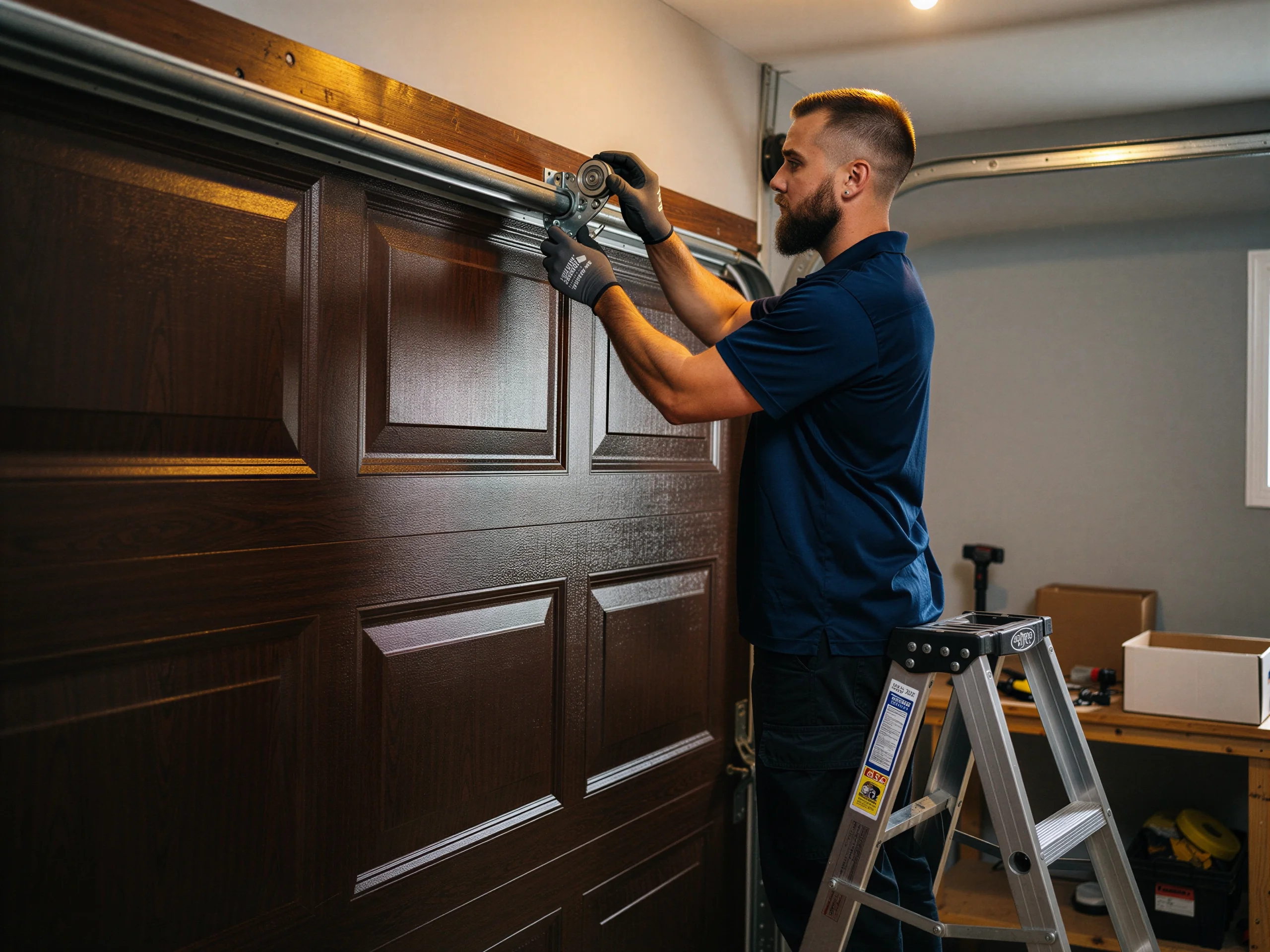
We start by checking the opening itself, not just the door, since plenty of jobs in this area involve framing that's moved since 1976. If the jamb is out of square, we shim and reset before the new door ever goes up, so the seal actually makes contact with the slab and the track doesn't fight the frame. We size the panel and insulation to the cold-moderate conditions here rather than installing a generic door and hoping the gaps close themselves.
One honest limit: if the opening has shifted enough that the header or side jambs need structural carpentry work, that's outside what we do on an install call, and we'll say so rather than install over a problem that'll come back. For straightforward installs, we work from our shop and cover the surrounding area, including Itasca, Wood Dale, and Bensenville.
Talk to a local pro
Garage door service in Elk Grove Village?
Same-day service with honest, upfront quotes.