
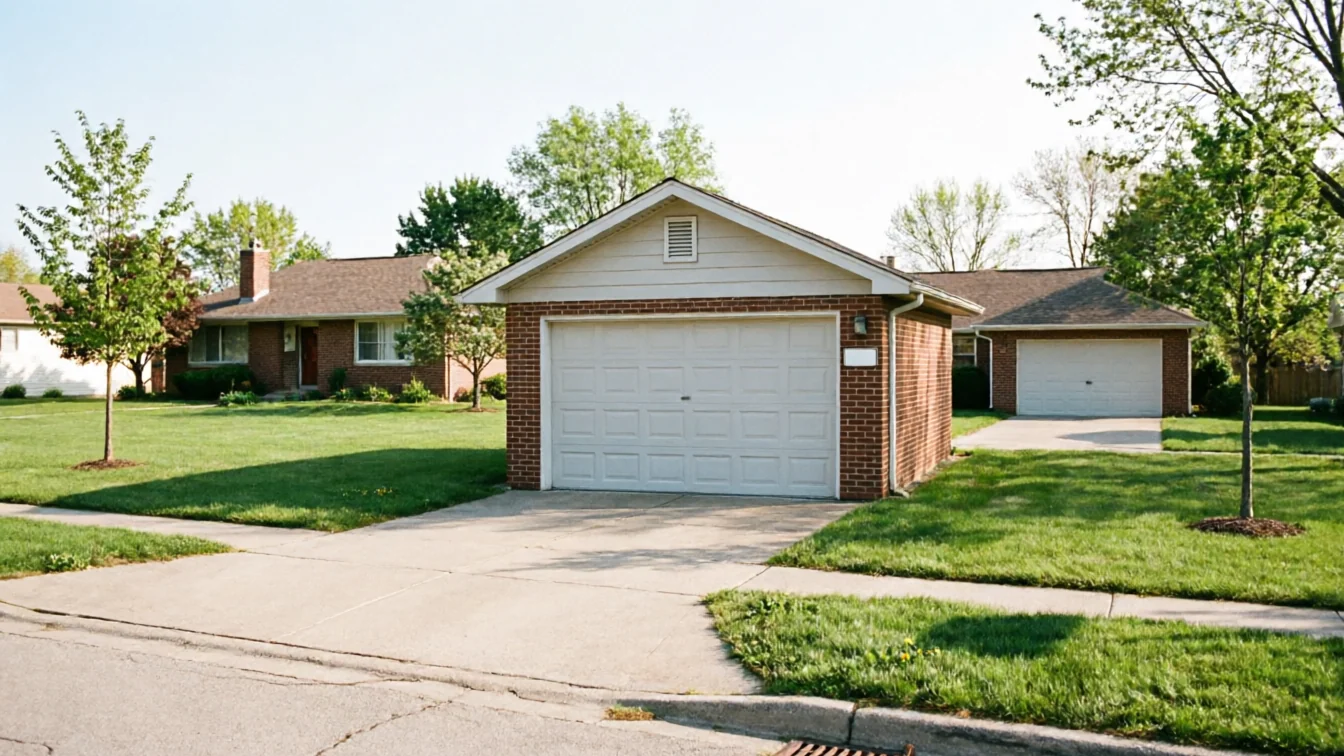
Detached and Attached Garage Doors Don't Age the Same Here
How Elk Grove Village's 1960s-70s housing stock and cold winters affect detached vs attached garage doors, and what to check before calling anyone.
Read moreMost Elk Grove Village garage doors date to the 1960s-70s building boom. Here's what to check before cold hits, what to leave alone, and why insulation age matters.
Local detail
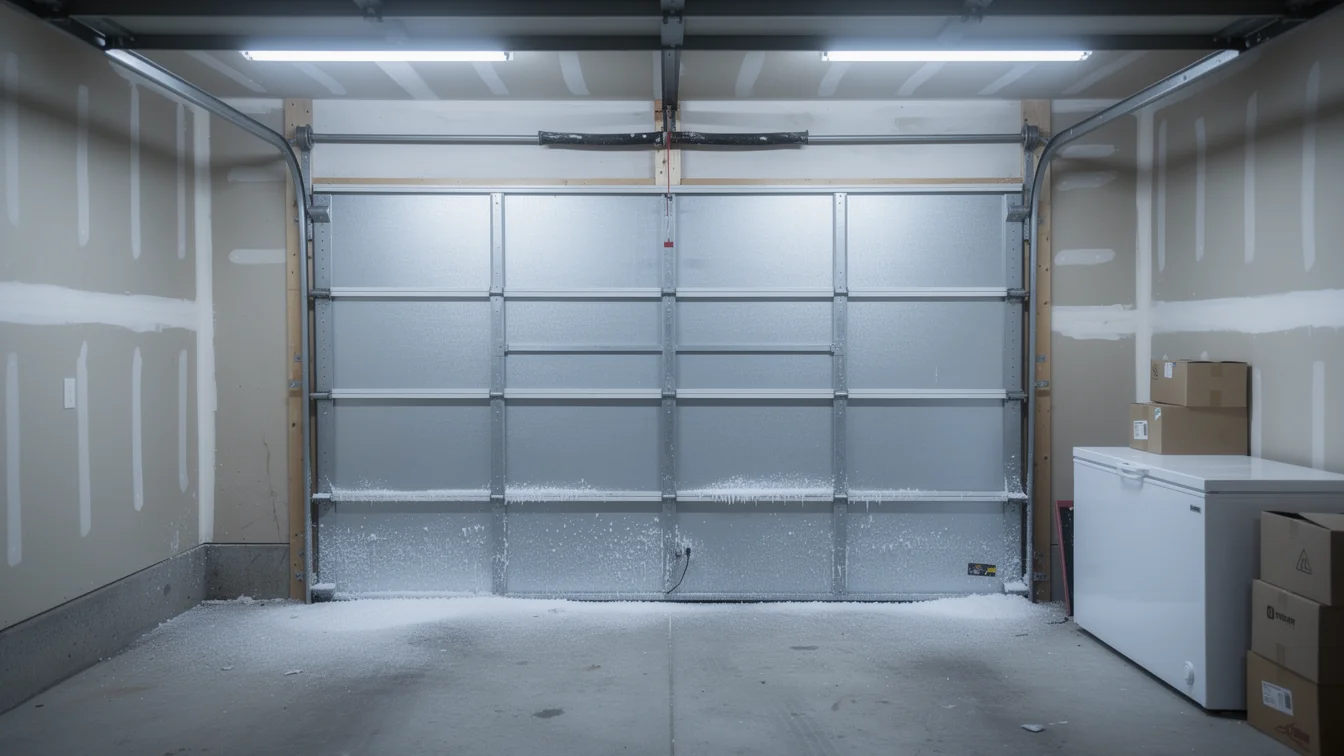
Start with the weatherstripping along the bottom of the door. On houses built in the 1960s and 70s - which is most of what's standing in this area, with the broader housing stock here running from 1938 up through 2001 and landing at a median build year of 1976 - that strip has usually been replaced at least once, but check it for cracking or gaps you can see daylight through. Next, pull the release cord with the door closed and see if it lifts by hand with some resistance but not a fight. If it slams down or won't budge, a spring is losing tension. Look at the tracks for rust pitting, especially near the bottom rollers - older one-piece and sectional doors on original hardware show this first. Check panel seams for daylight or drafts if your door predates the insulation standards that came later; a lot of doors on houses built before insulation rules are just a single layer of steel with nothing behind it. None of this needs tools beyond a flashlight and five minutes. What you're looking for is anything that's changed since last fall, not whether the door is new.
The area
The service area runs about 211,907 owner-occupied houses out of 430,293 households, and a lot of those houses share the same build era - 1960s and 70s construction dominates across the 90 named areas we draw from. That matters for garage doors specifically because doors installed with the original build, or even a first replacement in the 80s or 90s, were made to a different standard than what's sold today. Lighter gauge steel, no thermal break, single-layer panels. With a median household income around $105,461 in the area, most owners here aren't chasing a top-tier replacement door - they're maintaining what's there, which is the right call more often than not if the track and opener are sound. The issue isn't that these doors are bad. It's that they were built for a house, not for the fifty-plus winters since.
What we find
This area sits in a cold climate band with real seasonal swings, and that's what ages a garage door faster than anything else. Steel panels contract in the cold, which opens up tiny gaps at the seams that weren't there in July. On an older door - and given the 1976 median build year, a lot of these are older - that contraction stresses joints and hinges that have already flexed through decades of temperature swings. Torsion springs lose tension faster in cold weather too; a spring that was fine in September can snap in January because the cold makes the steel more brittle right when the door's working hardest to lift against a stiffer, colder opener chain. If your door is original to a house from that mid-century build wave, this is the season it tells you.
How we work
Here's the honest part: not everything on an old door is worth fixing. If the panels are original steel from a 1960s or 70s build and the insulation is nonexistent, patching weatherstripping and lubricating hinges buys you a season, not a decade. We don't recommend sinking repair money into a door where the real problem is the door itself - a cracked panel on uninsulated steel, cold-brittle springs on original hardware, rust-through on tracks that have outlived three openers already. At some point the smart move is replacement, not another repair call. We won't tell you that just to sell a door; we'll tell you when the numbers on a repair stop making sense for what you've got.
Questions
Housing in the service area runs from 1938 to 2001, with a median build year of 1976, and most of the stock is from the 1960s and 70s boom. If your house hasn't had the door replaced, it's likely original hardware from that era or a first-generation replacement from the 80s or 90s.
The area sits in a cold climate band with real seasonal swings. Cold steel contracts and brittle springs lose tension faster, so problems that were minor in warm months - a loose hinge, a spring near the end of its life - show up as failures in winter.
Doors built before insulation rules were standard are usually single-layer steel with nothing behind the panel. Retrofitting insulation can help a little, but it won't fix brittle hardware or a door that's already flexing at the seams. Past a certain point, replacement is the better use of money.
Weatherstripping condition, whether the door lifts by hand smoothly with the opener disconnected, visible rust on the tracks or rollers, and daylight at the panel seams. These take a few minutes and tell us a lot before we even get there.
Recommendation
More garage door guides for Elk Grove Village homeowners.
How Elk Grove Village's 1960s-70s housing stock and cold winters affect detached vs attached garage doors, and what to check before calling anyone.
Read more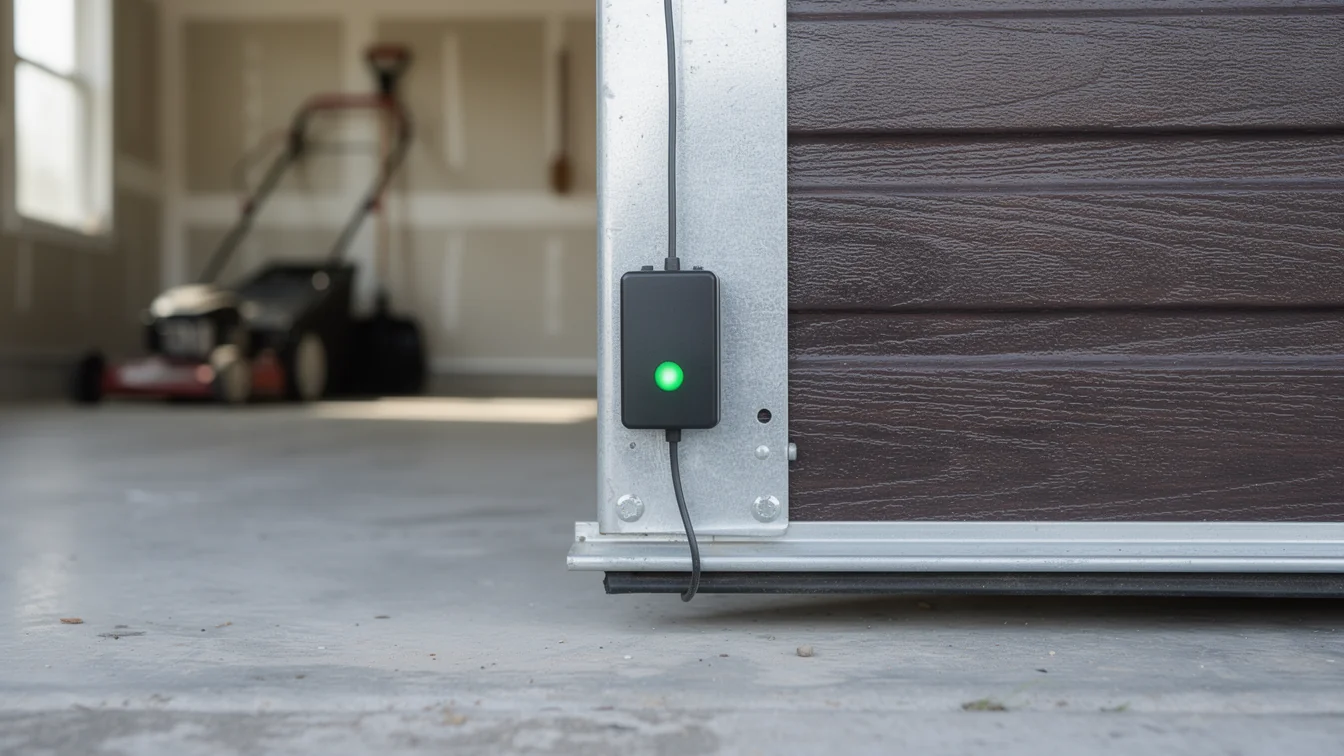
Elk Grove Village garages mostly date from the 1960s-70s boom, and cold winters shift slab and track alignment enough to throw sensor eyes off.
Read more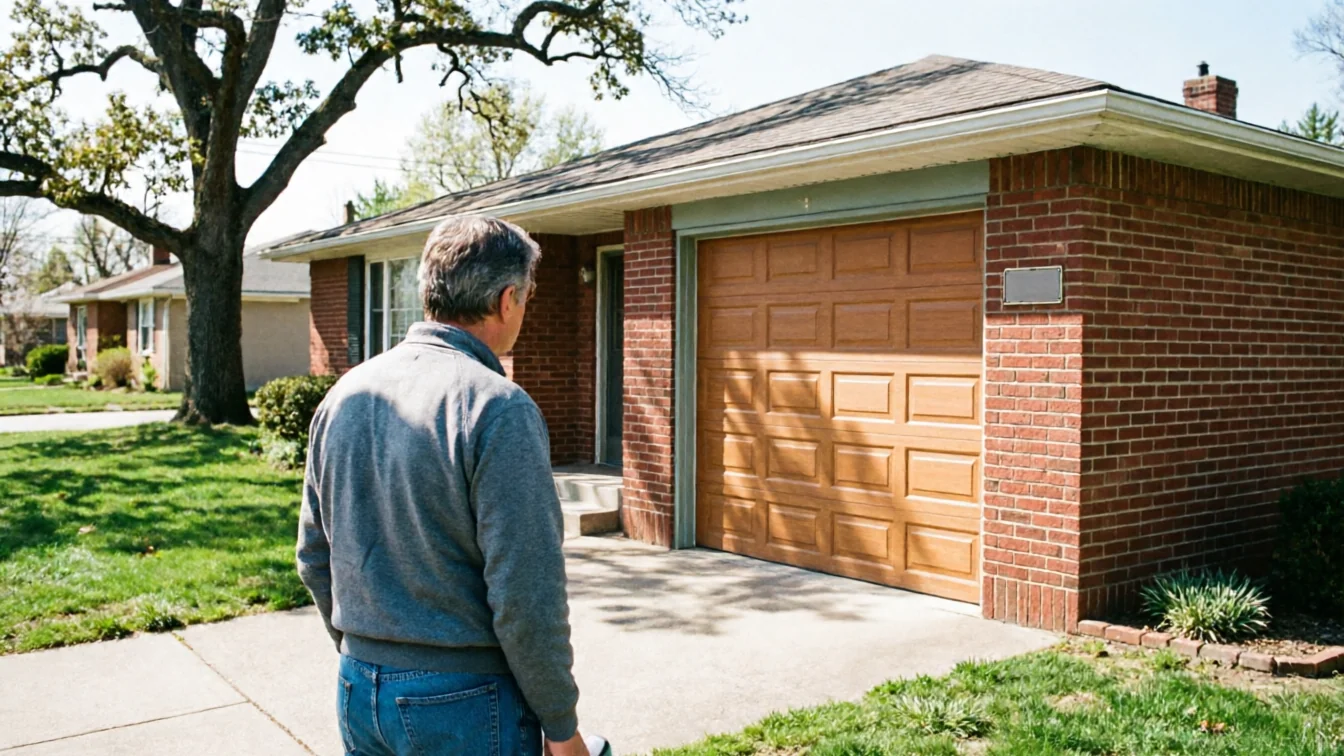
Most Elk Grove Village homes were built between 1938 and 1976, with openings sized for that era.
Read moreReady when you are
Elk Grove Village Garage Door Pros repairs and installs garage doors, springs and openers in Elk Grove Village, IL and the surrounding area.