Knowing When Repair Stops Making Sense
A look at when a garage door repair still makes sense for Elk Grove Village homes built mostly in the 1960s and 70s, and when the cold-climate math says replace instead.
Read moreA guide for Elk Grove Village homeowners with 1960s-70s doors: what checks to run yourself, what the cold does to old hardware, and when a repair still makes sense.
Local detail
Most of the garage doors we see in Elk Grove Village went up during the same building wave as the houses around them - a lot of this stock dates to the 1960s and 70s, with the broader area built out between 1938 and 2001. If your door is from that first wave, start with the basics before you call anyone. Pull the manual release and lift the door by hand. If it moves smoothly and stays wherever you let go, the springs are still doing their job. If it drops like dead weight or fights you on the way up, that's a spring problem, not a motor problem.
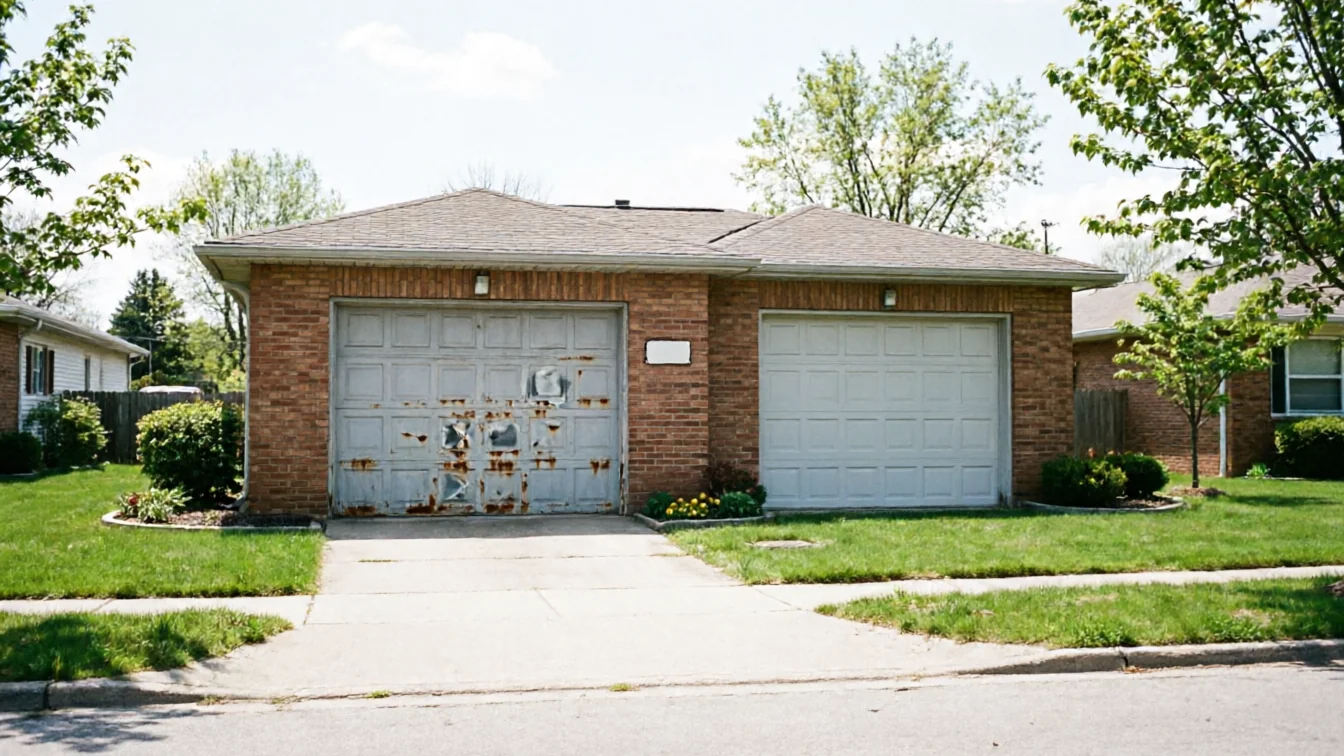
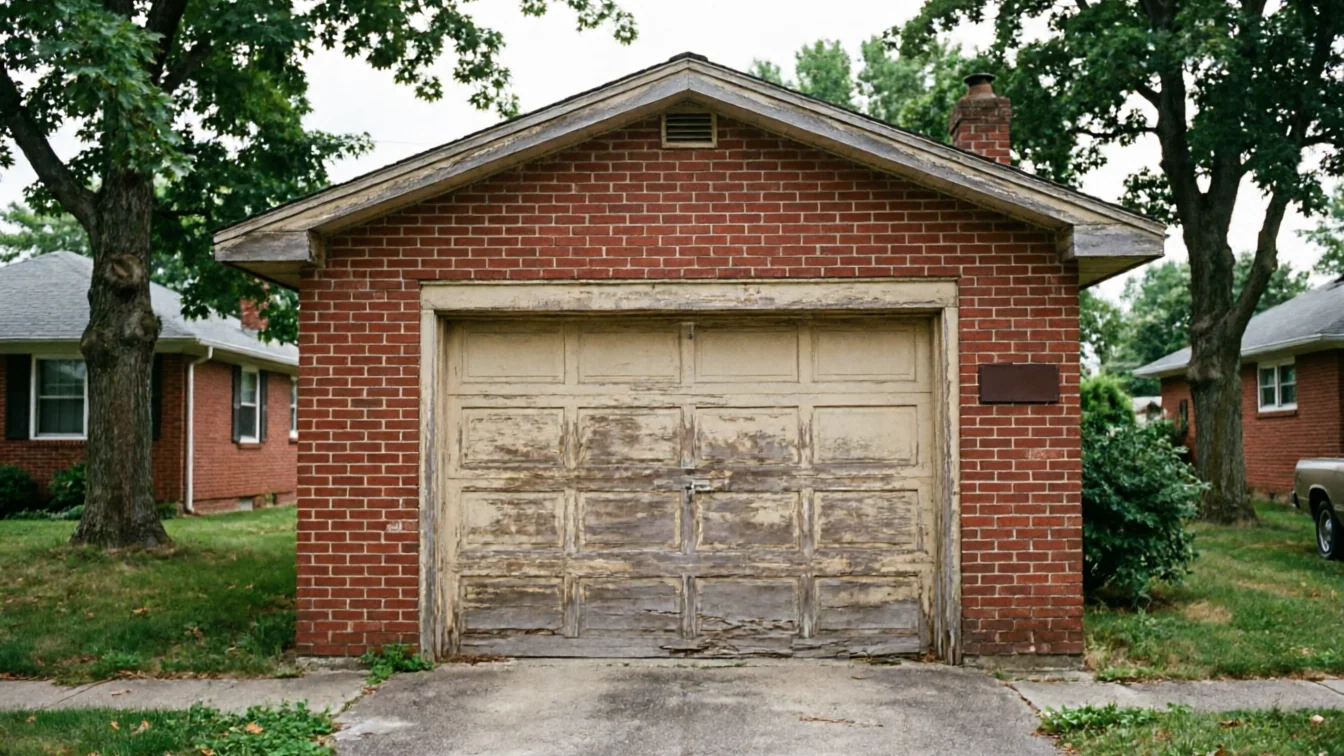
Next, look at the tracks. On a door this old, the steel has usually been repainted or patched at least once, and rust at the bottom roller brackets is common - that's where road salt and snowmelt collect all winter. Run a hand along the weatherstripping at the bottom panel too. If it's cracked and stiff rather than flexible, it stopped sealing years ago, and you've been losing warm air through that gap every winter since. None of this requires tools, just five minutes and a flashlight.
The area
A door built when Elk Grove Village was still filling in with ranch houses and split-levels is a different animal than what goes in today. The original hardware - galvanized torsion springs, steel rollers, single-layer panels - was built to a lower standard than current doors, and after four or five decades of daily cycling, a lot of it is at or past end of life even if nothing has failed yet.
The area's median household income sits around $105,461, and across the roughly 430,293 households in the service area, 211,907 are owner-occupied - plenty of houses old enough that the original door is either due for an overhaul or already been swapped once. If your door still has its original spring and opener, you're not dealing with a fluke. You're dealing with a 50-year-old part that was never meant to last this long, and the question isn't if it fails, it's whether it's worth rebuilding when it does.
What we find
This region sits in a cold, moderate climate band, and that matters more for an old door than a new one. Steel contracts in low temperatures, and on a door with decades of wear in the roller brackets and hinges, that contraction turns small play into real slop - you'll hear it as rattling or a door that walks sideways in the track on a hard freeze. Grease that was fine in July gets stiff in January, and a spring that's already fatigued carries more load when cold steel is less forgiving.
On an older torsion system, this is where failures cluster: a cable that's frayed for two years finally lets go on the coldest morning of the season, when the spring is working hardest and the garage is least convenient to be stuck in. If your door is original to a 1960s or 70s build, the cold doesn't create new problems so much as it finds the ones already there and makes them obvious.
How we work
Here's the honest limitation: not every old door is worth saving, and we won't tell you otherwise just to get a repair call. If the panels are original steel from the 1970s and they're dented, delaminating, or rusted through at the bottom, a new spring and new rollers on top of that frame is money spent propping up a door that's going to need replacing in a year or two anyway. Same goes for an opener that's original to the house - parts for those motors stopped being made a long time ago, and chasing a working replacement gear is often more expensive than a new unit.
Where it is worth fixing: good steel panels with a failed spring, worn rollers, or a dead cable. That's hardware, not structure, and it's a straightforward job that buys another decade out of a door that's otherwise sound. The panels are the real test - if they're solid, fix what's broken around them. If they're not, you're better off putting that money toward a door built for how this hardware actually ages.
Questions
Not automatically. If the panels are solid steel without rust-through or delamination, a worn spring, cable, or roller set is a reasonable repair even on an older door. The panels are what decide it - if those are failing, hardware repairs just delay a replacement you'll need anyway.
Cold steel contracts and makes existing wear more obvious - loose rollers rattle, stiff grease binds, and a fatigued spring carries more load when the metal is least forgiving. If your door is original to a 1960s or 70s build, winter tends to surface problems that have been building for years.
Sometimes. If the door panels and tracks are in good shape but the original opener motor has failed, a new opener on a sound older door is a fair repair. Parts for decades-old opener motors are often hard to source, which pushes the math toward replacement rather than repair for the opener itself.
Recommendation
More garage door guides for Elk Grove Village homeowners.
A look at when a garage door repair still makes sense for Elk Grove Village homes built mostly in the 1960s and 70s, and when the cold-climate math says replace instead.
Read more
A guide for Elk Grove Village homeowners on which garage door noises point to real wear in houses built 1938-2001, and which ones are just the cold talking.
Read more
How Elk Grove Village's older housing stock and cold winters affect garage door openers during power cuts, and what's worth checking before you call for a repair.
Read moreReady when you are
Elk Grove Village Garage Door Pros repairs and installs garage doors, springs and openers in Elk Grove Village, IL and the surrounding area.