Doing It Yourself
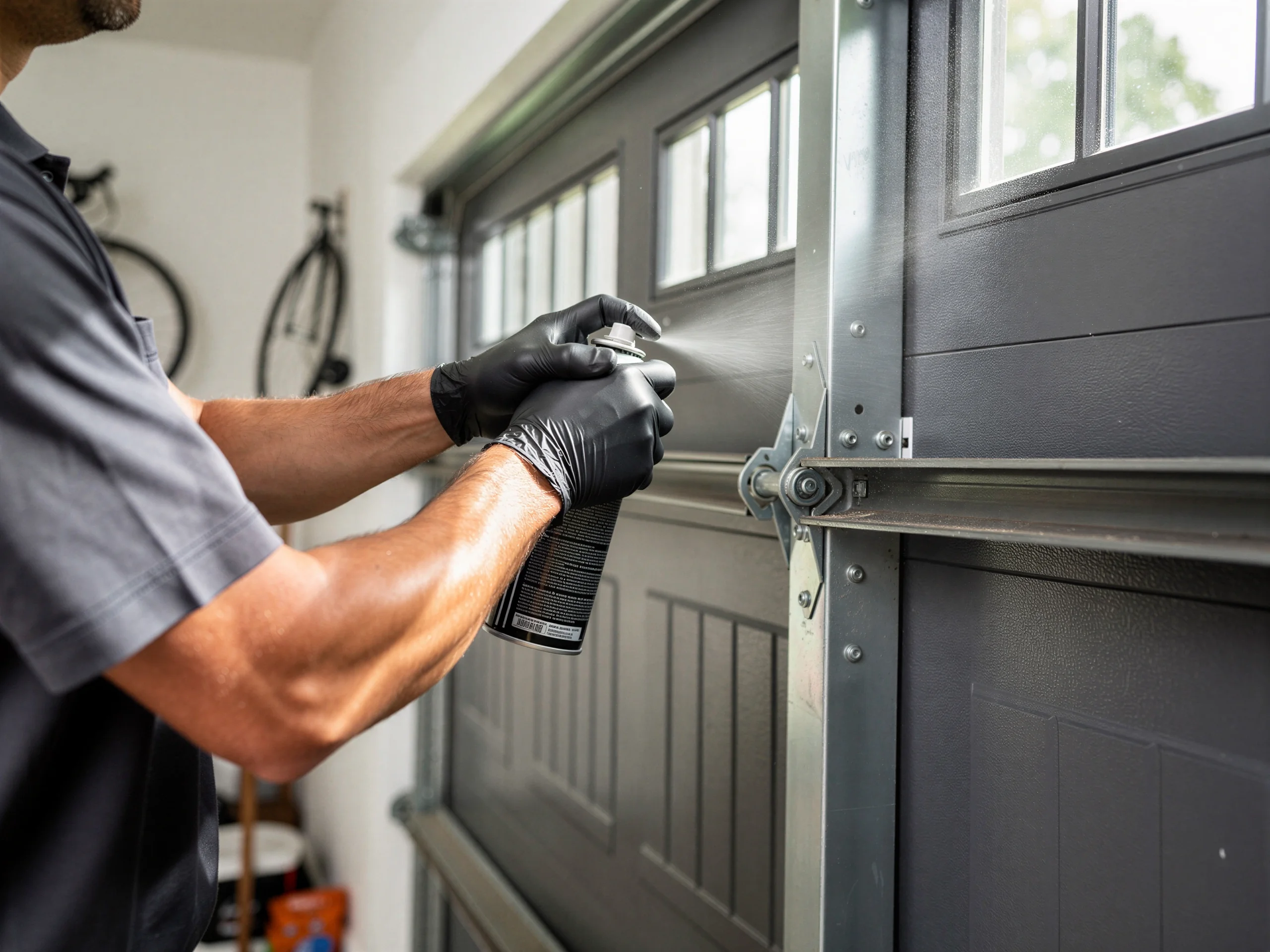
A garage door that won't move at 10pm tempts almost everyone into the same three moves: yank the emergency release cord, pry the door up by hand, or spray WD-40 on anything metal and hope.
Snapped spring hazard
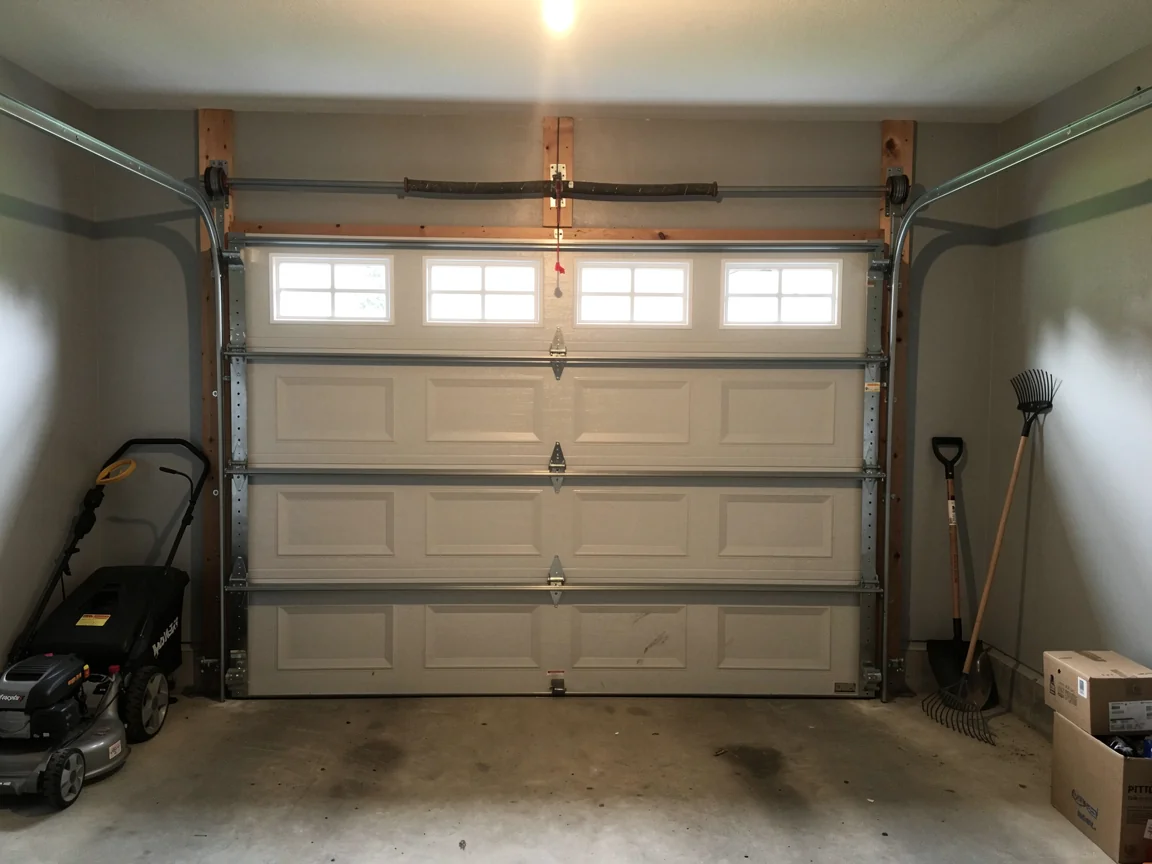
None of these are wrong exactly, but none of them fix what's actually broken either. If a torsion spring has snapped, the door is now just a slab of wood or steel weighing anywhere from 130 to 400 pounds with nothing holding it up but cables under tension.
Dropping door risk
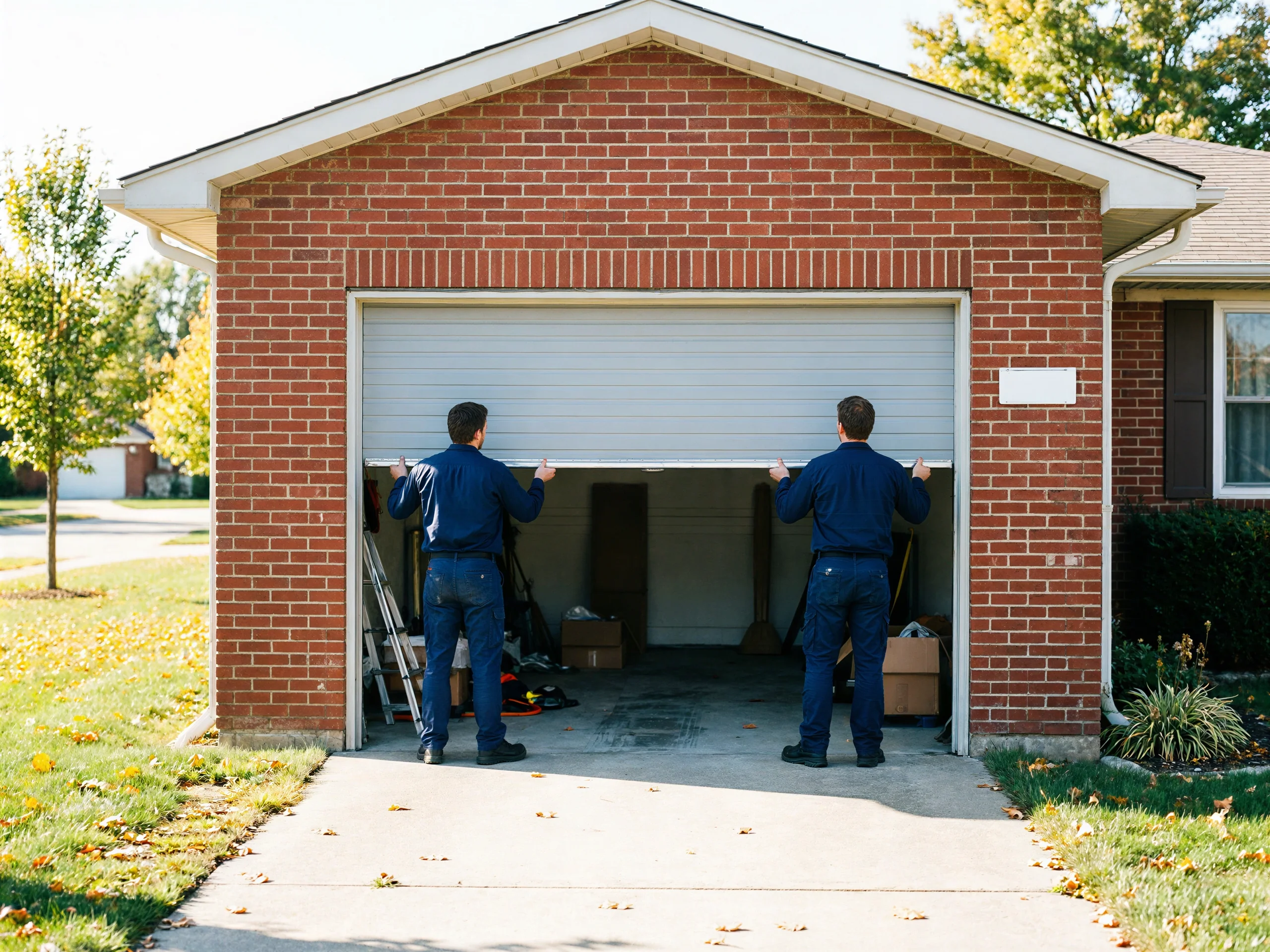
Pulling the release cord on a door like that doesn't free it - it can let it fall. If the opener motor is straining and clicking but the door won't lift, pushing the wall button again and again usually just burns out the motor faster. We get it - a car trapped inside or a door stuck wide open feels urgent, and it is.
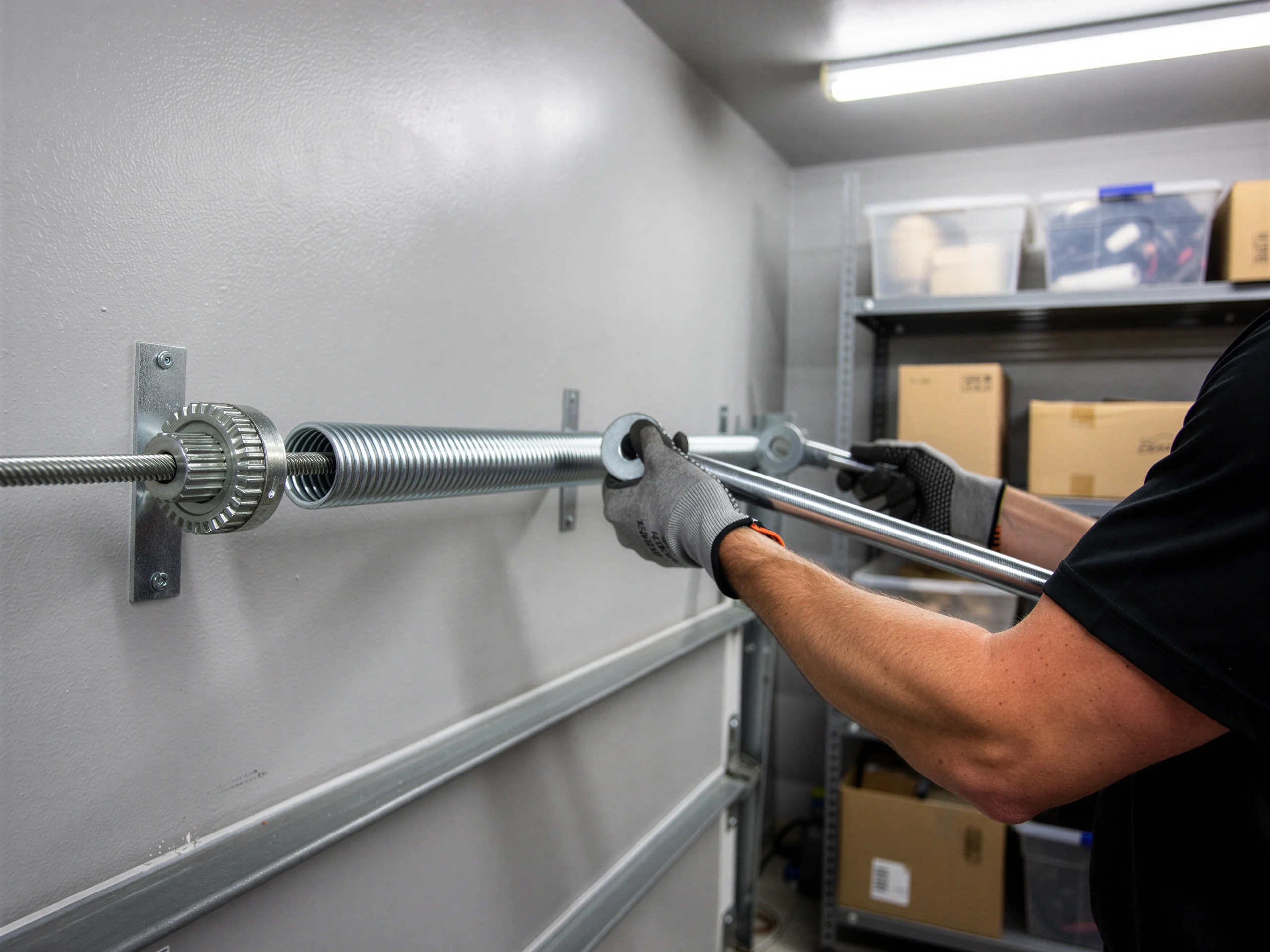
Specialized tools needed
But the fix almost always needs a torsion spring winding bar, cable drums matched to the door weight, and someone who's done it enough times not to lose a finger. This section exists so you know what not to touch tonight, not to talk you out of calling someone.
Why This Fails Locally
Housing across this service area was mostly built between 1938 and 2001, with the median year sitting around 1976, and most of it is still carrying 1960s and 1970s garage hardware across the roughly 90 named communities we cover. That era of door came with lighter-gauge torsion springs and steel tracks that were fine for the climate forecasters expected then, not for the cold-moderate winters this region actually gets now. Forty, fifty years of expansion and contraction on the same spring steel wears it thin, and cold snaps are when thin spring steel gives out - the metal gets brittle right when the door is heaviest to lift by hand because grease has stiffened in the cold. With 211,907 owner-occupied houses across 430,293 households in this area, a huge share of them are sitting on original or first-replacement hardware that was never built for a fifty-year service life. That's not a maintenance failure on the homeowner's part - it's just what happens when 1970s steel meets a 2024 winter. The fix isn't exotic, but it has to account for a door built to an older spec running in current weather.
How It Shows Up
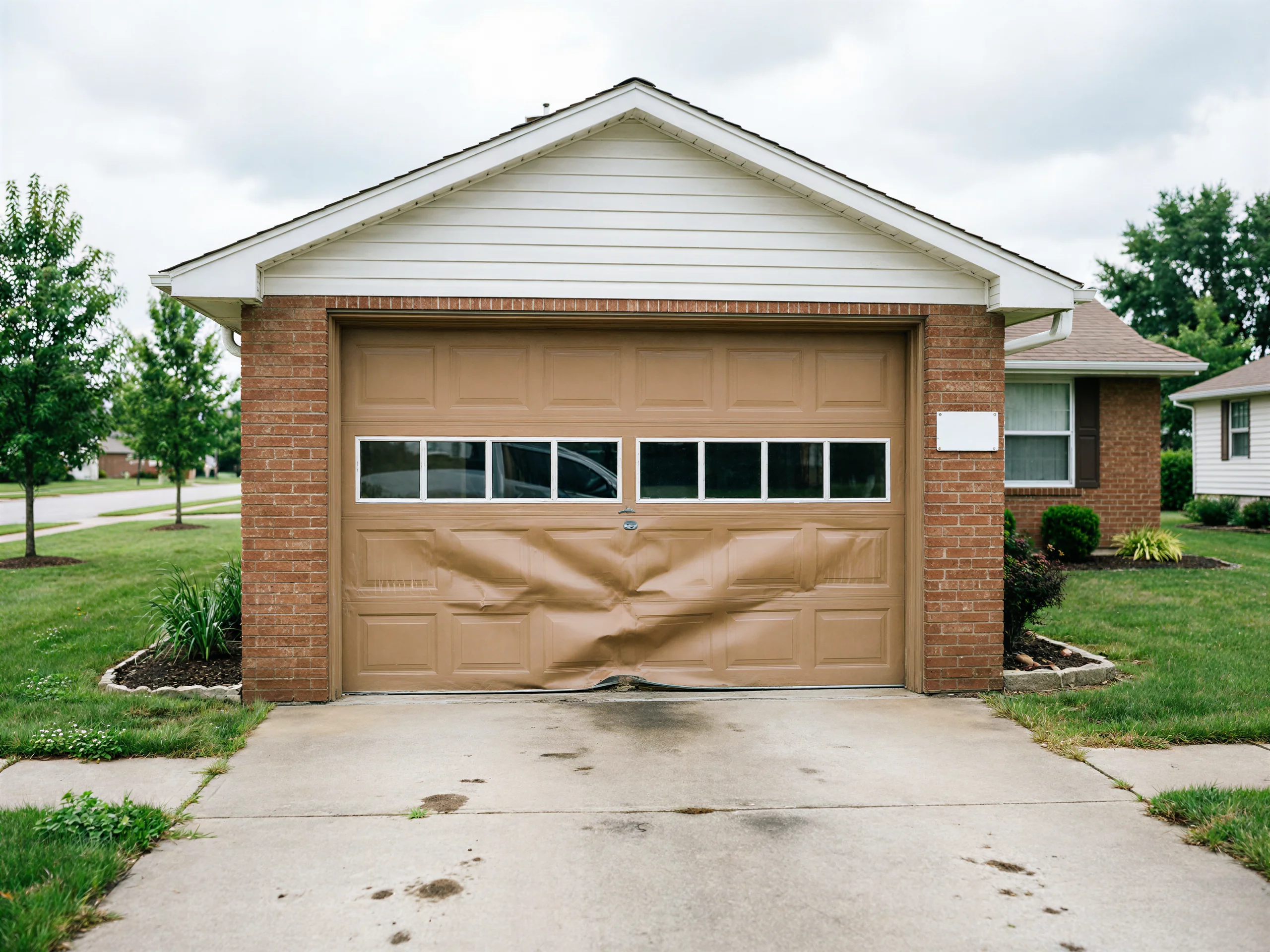
Most emergency calls start the same two ways. Either the door won't open at all - usually a torsion spring that's let go with a bang you heard from inside the house - or it won't close, which is almost always a broken cable, a bent track, or a sensor knocked out of alignment by cold-stiffened plastic housing.
Uneven side sagging
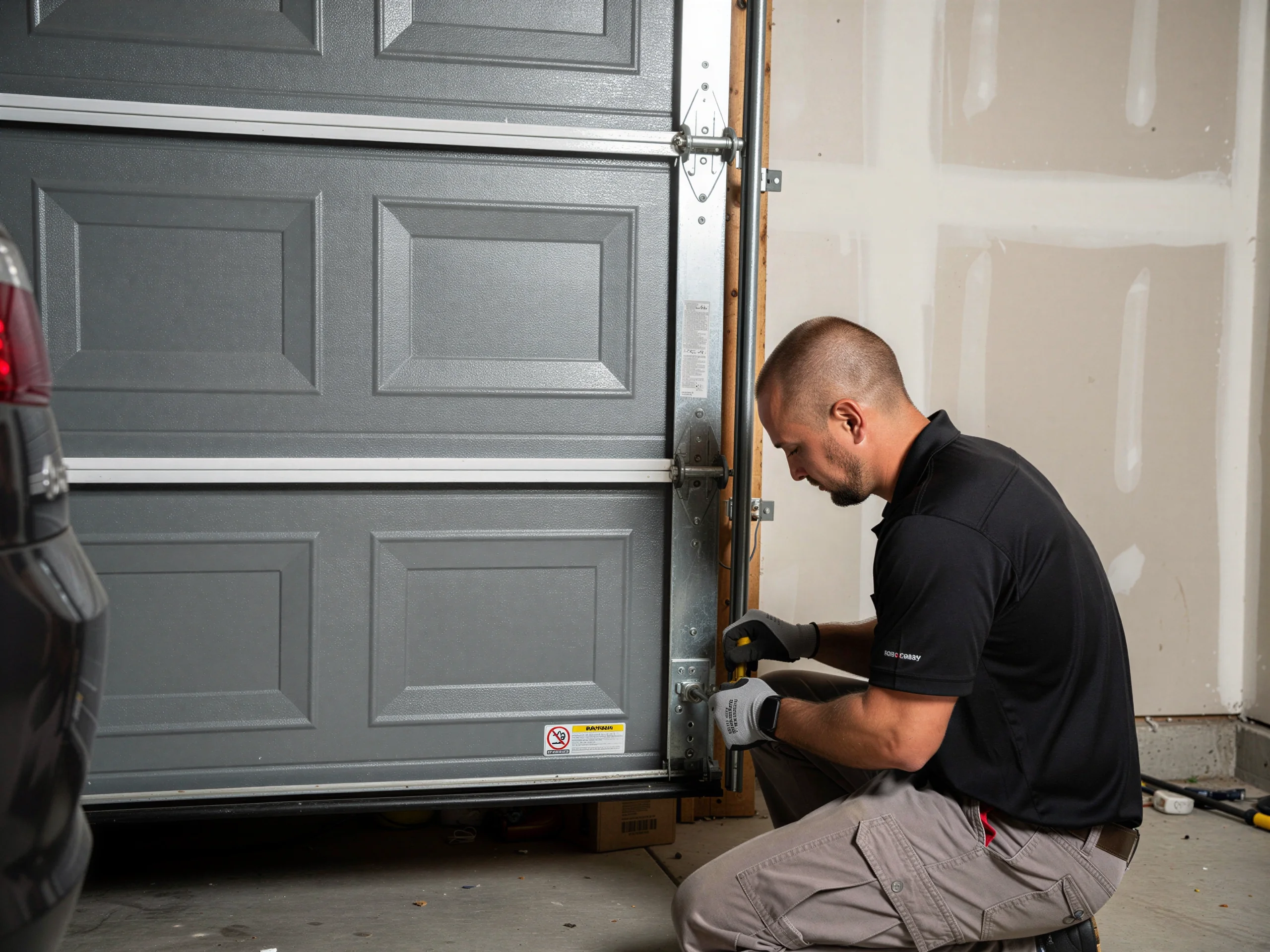
On older torsion setups common in this housing stock, you'll sometimes see one side of the door hang lower than the other, which means one spring or cable has failed and the other is about to follow under the extra load.
Gear stripping from binding
Openers from this era also tend to strip their drive gear trying to force a door that's binding on a track that's shifted slightly off its original mounting over fifty-some years. None of this is really an opener problem even when the opener is what quits first - it's the hardware underneath finally giving out.
Wrong-size replacement spring
The honest limitation here: if a spring has been replaced with a mismatched size at some point in the door's history, or the track is bent badly enough, a same-visit fix sometimes isn't possible and the door needs a part we don't carry on the truck that day.
How We Fix It
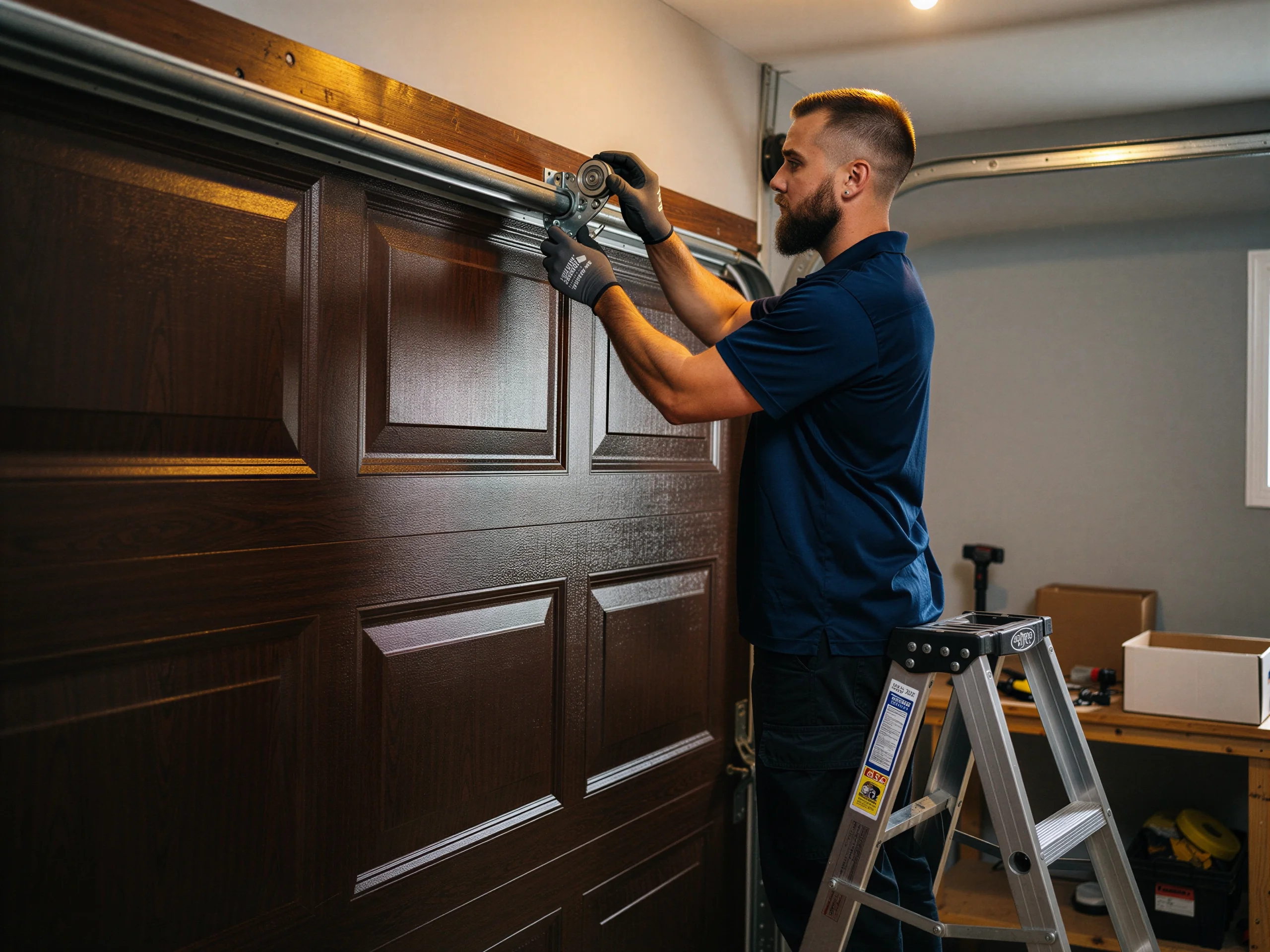
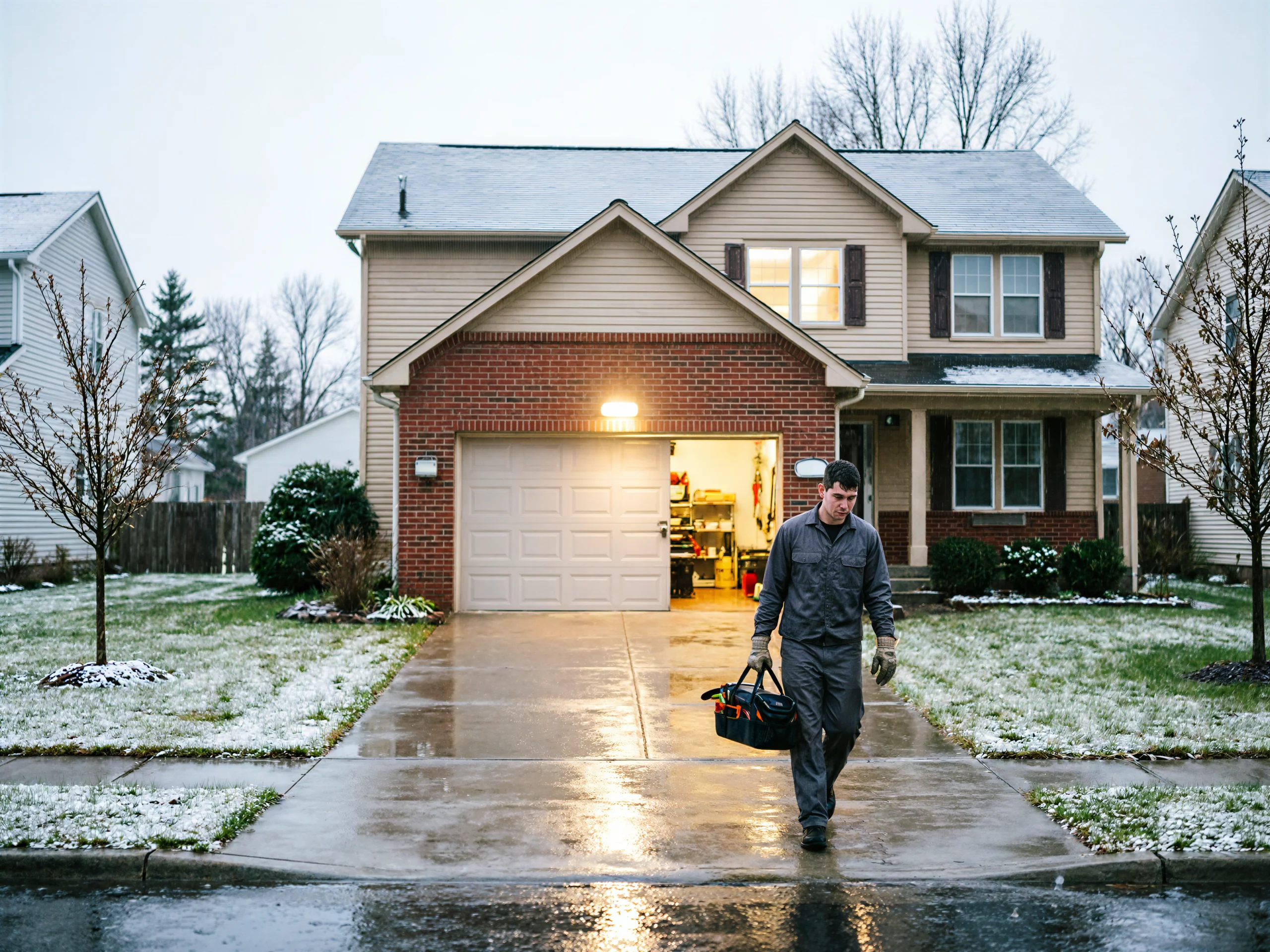
We show up with torsion springs and cable sized for the weight and track width of doors common to this era of construction, not a one-size guess.
Paired spring replacement
If it's a snapped spring, we replace both springs on a double door even if only one broke, because the other one is at the same age and the same risk.
Straightening bent track
Bent track gets straightened or replaced rather than hammered back into rough shape, since a track that's even slightly off will chew through a new opener gear just like it did the old one. Sensors get realigned and reseated so the door closes instead of reversing itself at the worst moment.
Stock matched to housing
We service across this whole area - from Itasca two miles out to Maywood at the far edge - and the parts we carry are chosen around the housing stock that's actually out there, not a generic national kit. If your door needs a part that isn't a stock size, we'll tell you that up front rather than force a fix that won't hold through the next cold stretch.
Talk to a local pro
Garage door service in Elk Grove Village?
Same-day service with honest, upfront quotes.