Openers, Power Cuts, and the Houses in Elk Grove Village
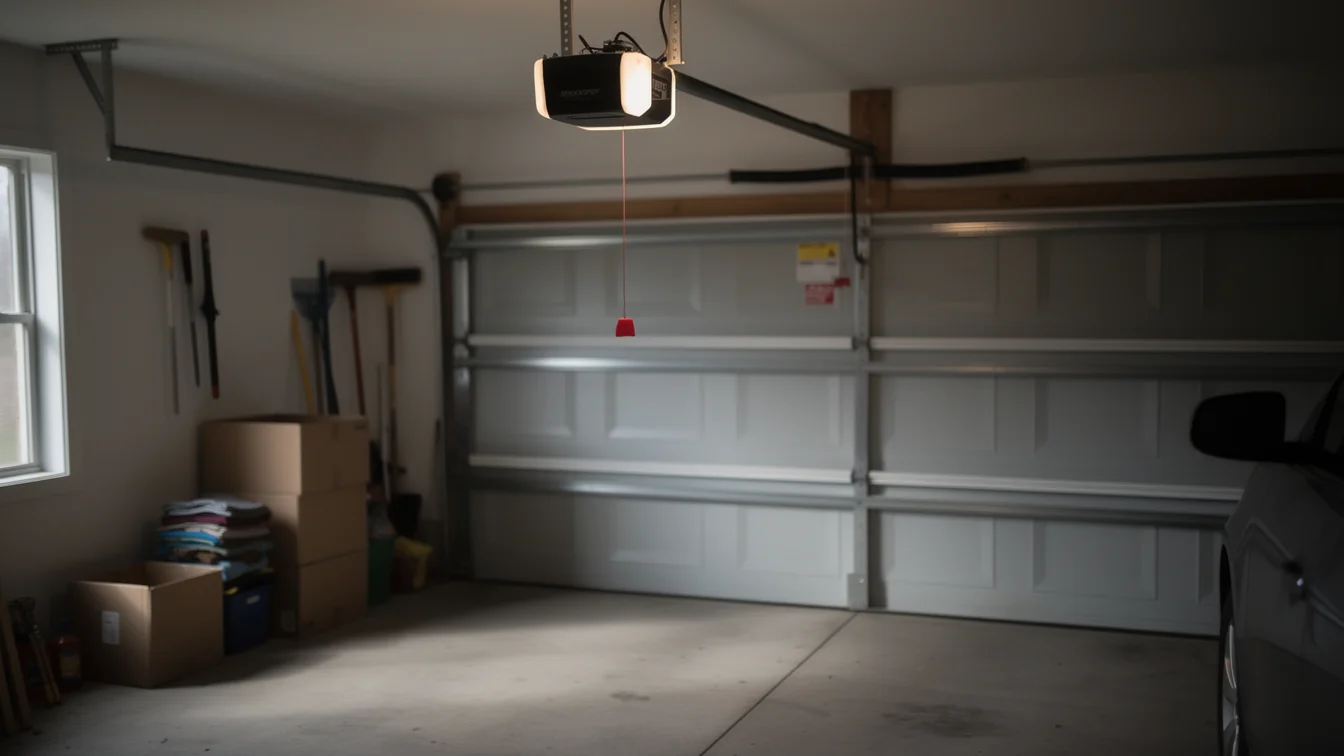
How Elk Grove Village's older housing stock and cold winters affect garage door openers during power cuts, and what's worth checking before you call for a repair.
Read moreHow Elk Grove Village's 1960s-70s housing stock and cold winters affect detached vs attached garage doors, and what to check before calling anyone.
Local detail
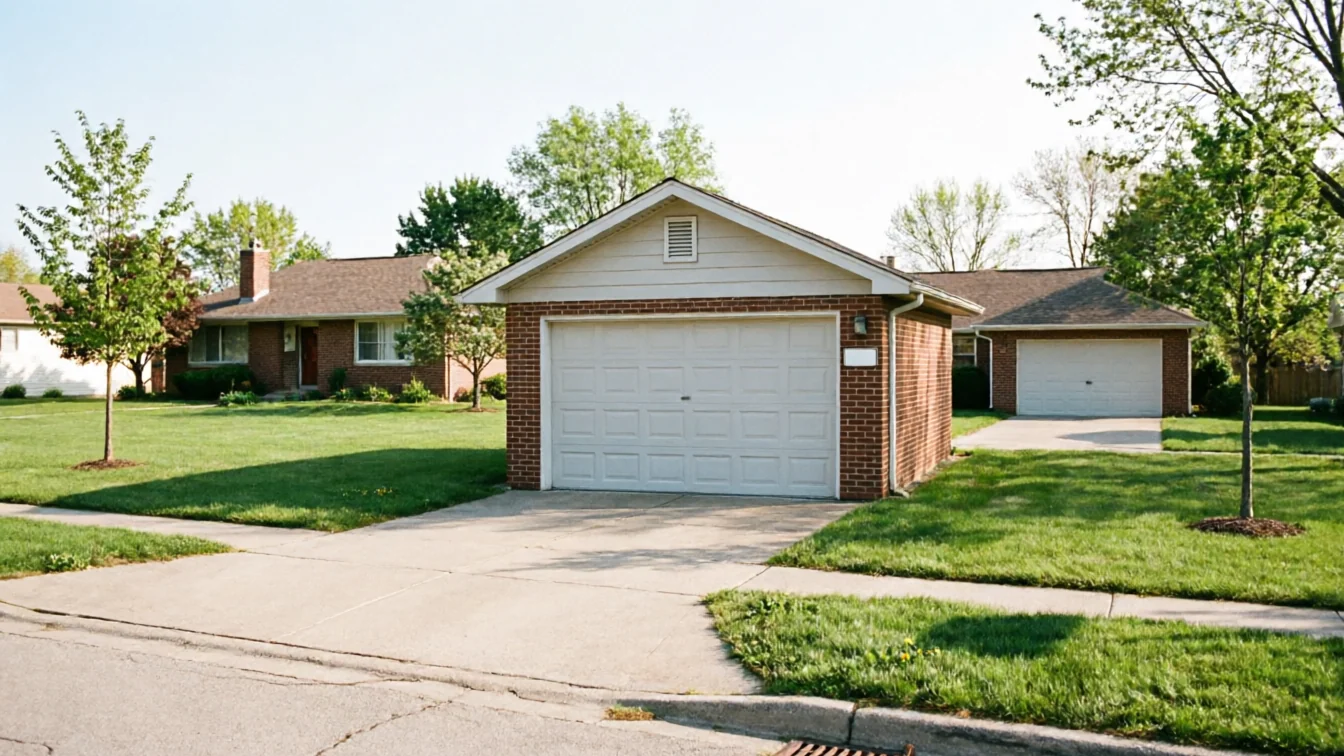
Walk out and look at how your garage sits relative to the house. If it's a standalone structure out past the driveway, you're dealing with a detached setup - common on the older blocks here where homes went up between 1938 and the early 1960s, before builders started tucking the garage under the same roofline as the house. If the garage shares a wall or ceiling joists with living space, that's attached construction, which is what you'll mostly find on homes built through the 1970s and later as building patterns shifted.
Check the header above the door opening on a detached unit - it often carries less insulation than an attached garage wall, because nobody worried about heat loss to a room nobody lived in. On an attached garage, press a hand against the wall shared with the house on a cold morning. If it's noticeably colder than the rest of the house, the door and weatherstripping are probably not doing their job, and that's worth more attention than most owners give it.
Look at the bottom seal on both types. On a detached door, gaps at the slab let in more than cold air - they let in whatever's blown across the yard. On an attached door, the same gap pushes cold straight into a room that's often one stud wall from a bedroom.
The area
Most of the garage stock in this part of the service area dates to 1938 through 2001, with the median build year landing around 1976 - right in the stretch when attached, same-roof garages became the standard and detached structures started to taper off. That split matters more than people think. A detached garage door only has to keep out weather. An attached garage door is also, in effect, an exterior wall of the house, and a weak one costs you heat and lets condensation build up where moisture doesn't belong.
On the older detached garages, you'll often find lighter doors on simpler hardware, sized for the smaller cars of the era and never upgraded because nobody treated the space as part of the house. On the newer attached construction, doors tend to carry more insulation value from the start, but the opener and track hardware on a 1970s-era attached garage is now old enough that springs and rollers are due regardless of which type you've got.
We don't do structural garage conversions or reframe openings - if a detached garage needs the opening resized to fit a modern door, that's carpentry work outside what we handle, and we'll say so rather than take the job and improvise.
What we find
This area sits in a cold climate band with real seasonal swings, and the two garage types take that differently. A detached garage has no buffer from the house - it heats and cools fast, so the door's steel skin and hardware go through wider temperature swings in a single day. That's harder on torsion springs and on panel seams than the slower, buffered swings an attached garage sees.
An attached garage, warmed somewhat by the house next to it, usually holds a steadier temperature, but that steadiness can work against you: trapped moisture from a car brought in wet doesn't dry out as fast, and it sits against a shared wall. Over a winter or two that shows up as rust at the bottom corners of the door or at hinge pins, especially on hardware original to a home built decades ago.
Either way, cold makes steel contract and lubricant stiffen. A door that rolls smooth in August can bind or lag in January regardless of which type of garage it's attached to - but a detached door with no insulation at all will feel that cold faster and harder than one buffered by a heated house next door.
How we work
Not every door needs fixing right away, and we'd rather tell you that than run a truck out for nothing. If your detached garage door is original to a house built in the 1940s or 50s and it still opens, closes, and seals reasonably at the bottom, there's no reason to replace it just because it's old - old steel with light use often outlasts newer doors run twice a day.
On an attached garage, the calculation is different because the door is part of the house's thermal envelope. A door that still works but leaks cold air into a shared wall is costing you on the heating bill every winter, even if it never breaks. That's a case where waiting for a failure isn't really saving money - it's just moving the cost somewhere less visible.
We won't tell you to replace a door that's still doing its job just to sell a job. But if you're guessing whether yours is attached or detached construction and whether that changes anything, that's a five-minute conversation, not a sales pitch.
Questions
Yes, for how the problem shows up. Detached garages swing in temperature faster and show wear in springs and seams sooner. Attached garages hold moisture against a shared wall, which shows up as rust and drafts into the house rather than just wear on the door itself.
If it's original to a home built in the 1940s-60s range and still opens and seals, repair is usually the better call - the steel on older, lightly-used doors often holds up well. Replace it when the track or spring hardware is failing repeatedly, not just because of its age.
Most likely worn bottom seal or weatherstripping, common on homes built through the 1970s where original garage doors carried less insulation than current standards. Because an attached garage shares a wall with living space, that gap costs you heat all winter, not just comfort in the garage.
Recommendation
More garage door guides for Elk Grove Village homeowners.
How Elk Grove Village's older housing stock and cold winters affect garage door openers during power cuts, and what's worth checking before you call for a repair.
Read more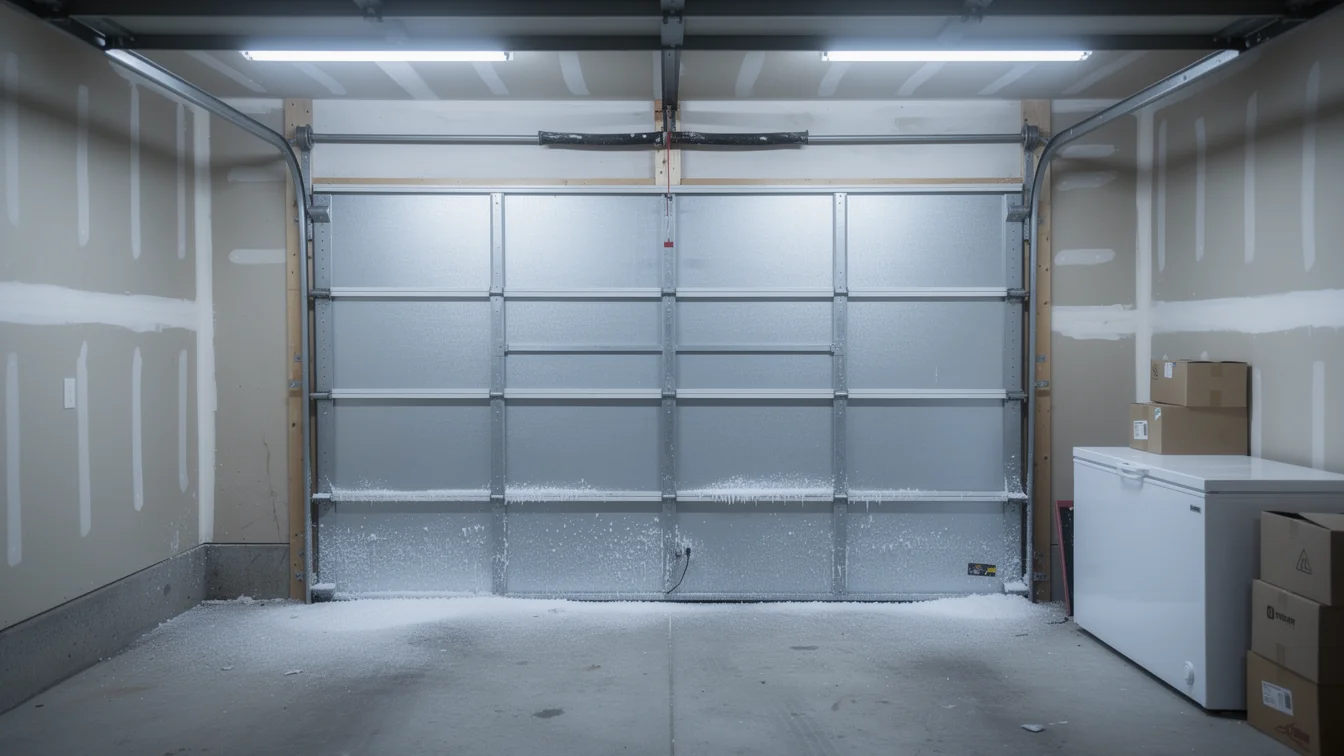
Most Elk Grove Village garage doors date to the 1960s-70s building boom.
Read more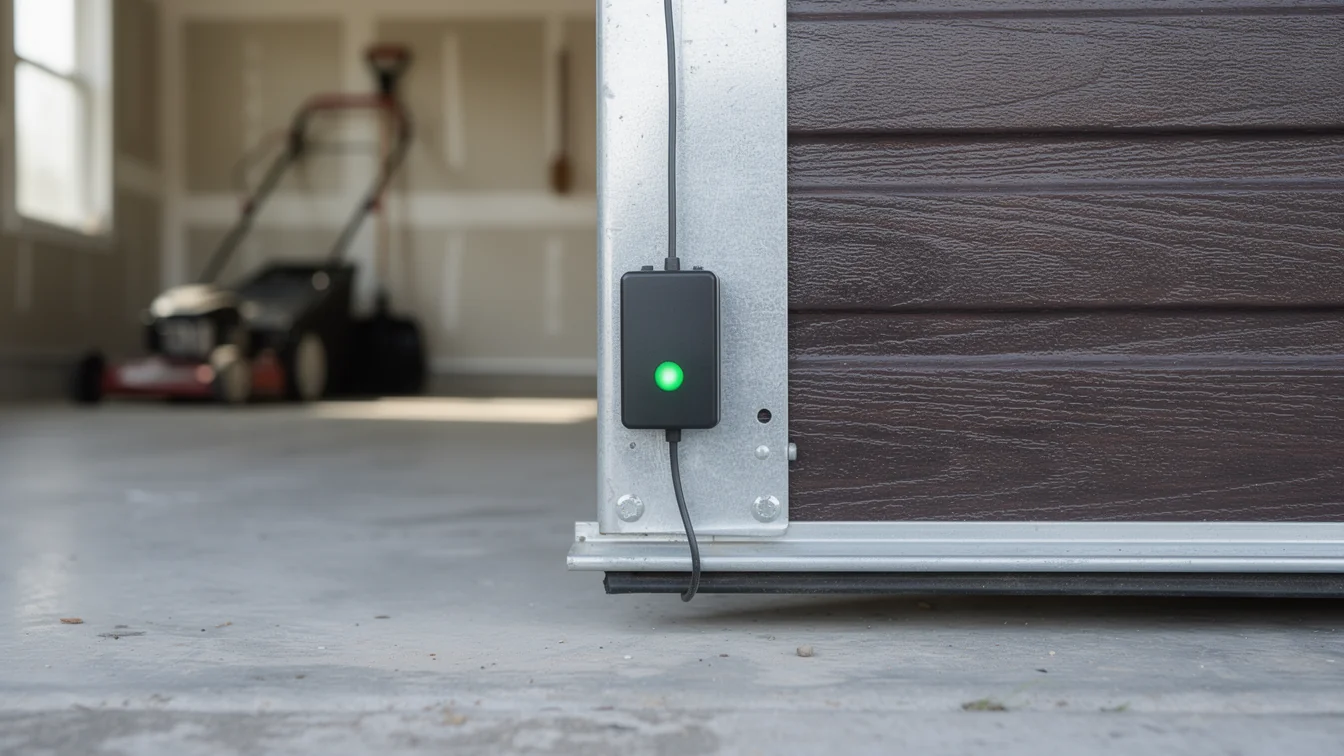
Elk Grove Village garages mostly date from the 1960s-70s boom, and cold winters shift slab and track alignment enough to throw sensor eyes off.
Read moreReady when you are
Elk Grove Village Garage Door Pros repairs and installs garage doors, springs and openers in Elk Grove Village, IL and the surrounding area.