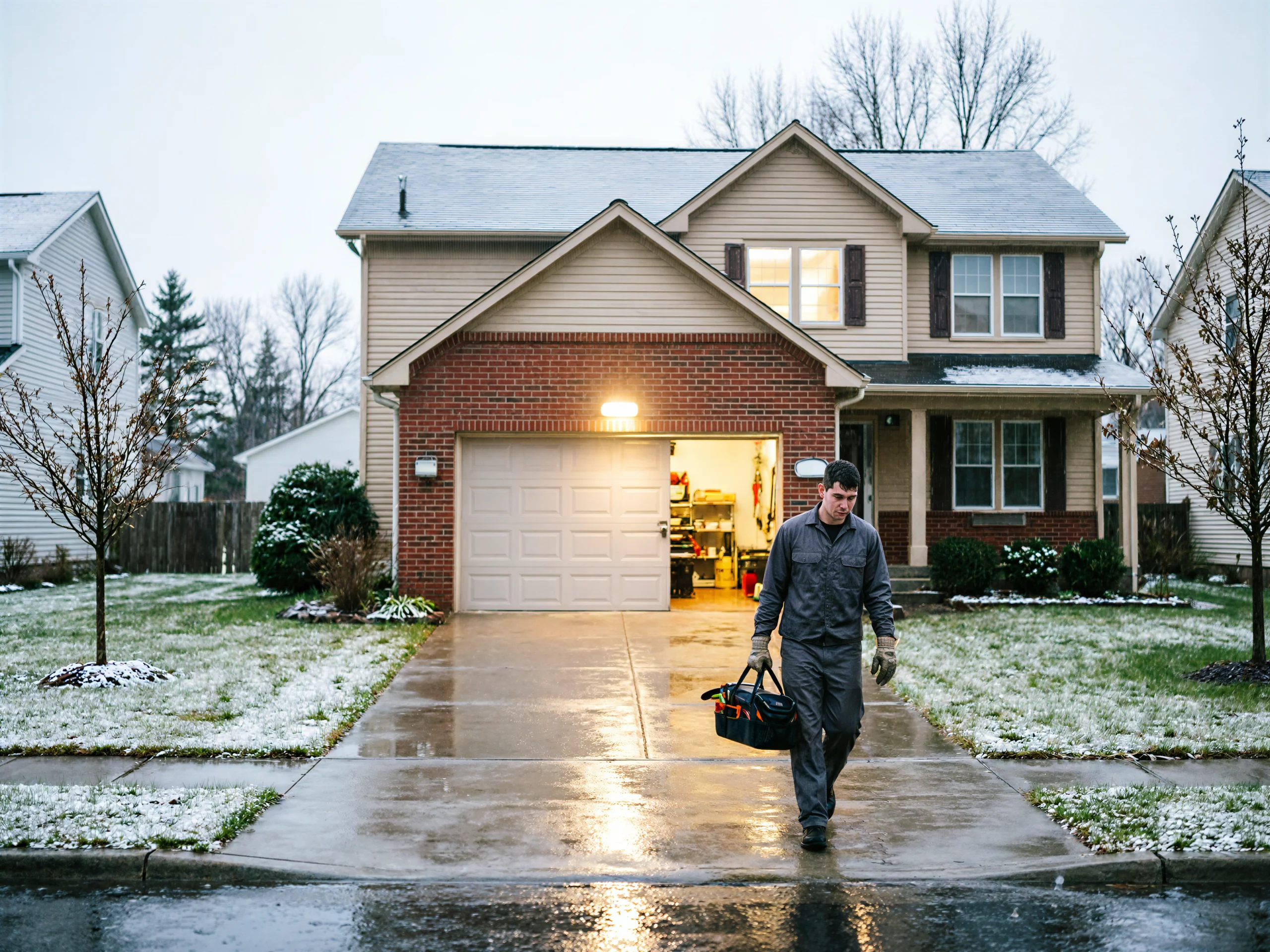
Doing It Yourself
Itasca's median house went up in 1978, two years past the 1976 median across the whole service area we cover. That two-year gap matters more than it sounds.
Builder spring transition
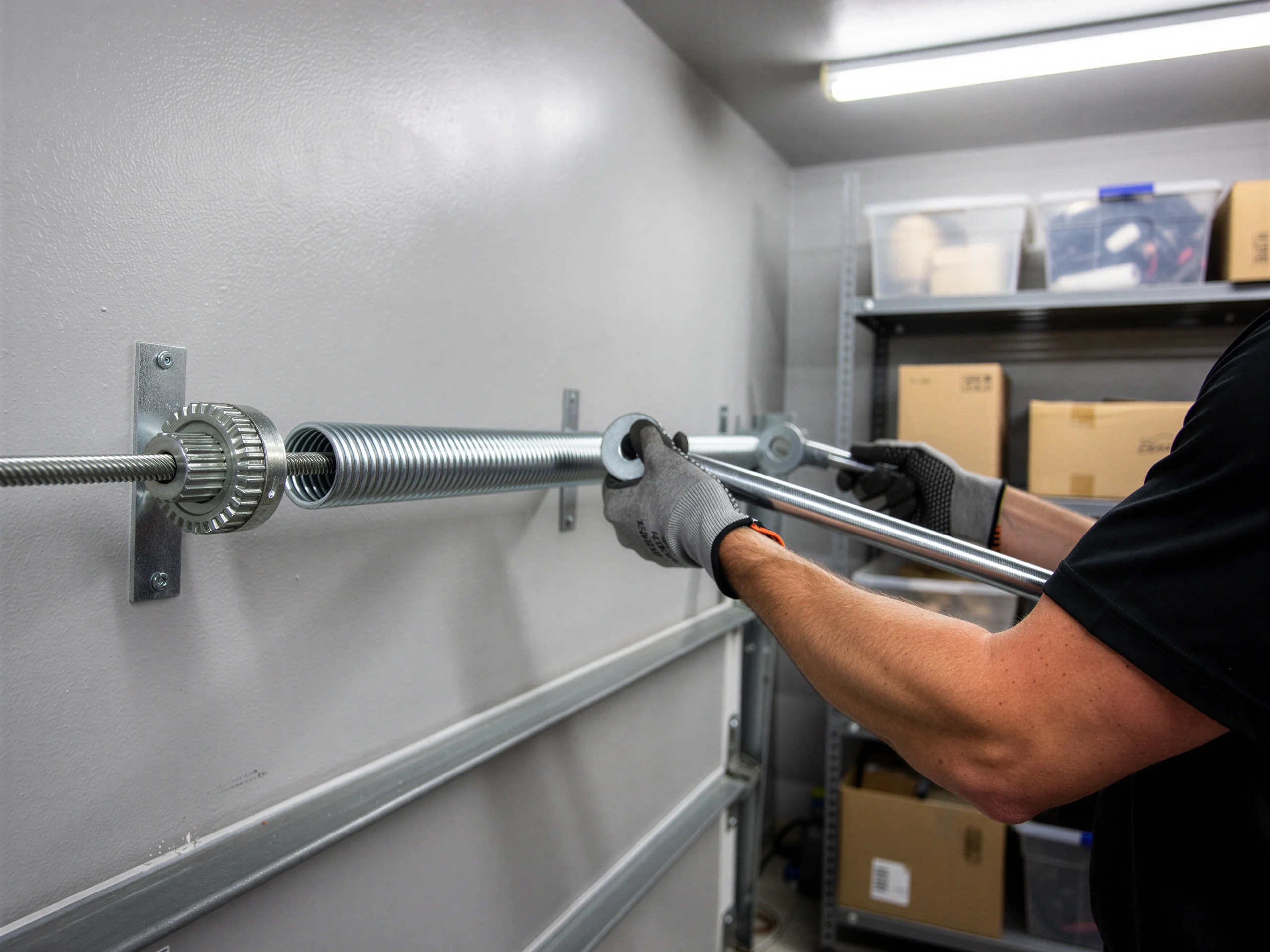
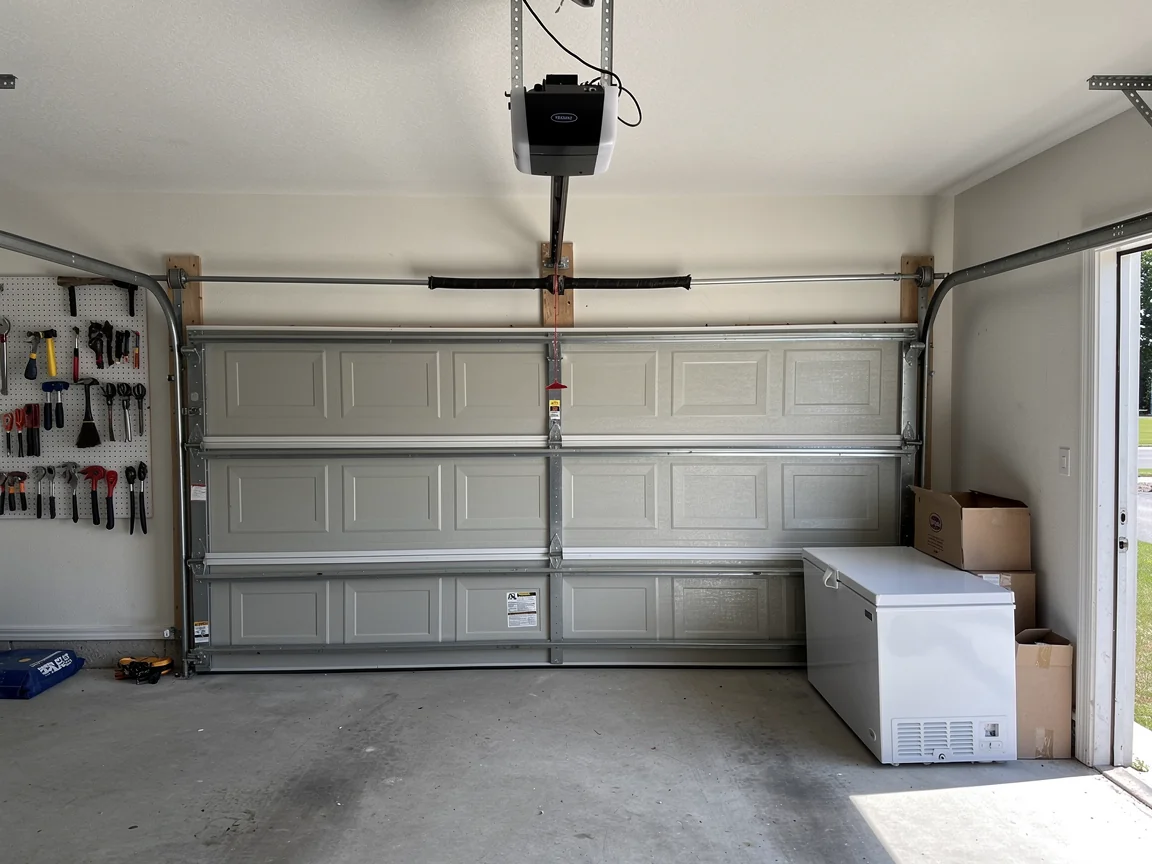
By the late 1970s, most builders in this part of the suburbs had already moved from extension springs mounted along the horizontal track to torsion springs mounted on a shaft above the door. If your garage is from that era, the spring on your door is wound under a lot more tension than the older style, and it's bolted to a steel shaft, not hanging loose.
Unwinding torsion danger
Do not try to unwind or remove a torsion spring yourself. People lose fingers and eyes doing this. A broken cable on a torsion setup can also whip hard enough to dent a car or a wall.
Safe pre-call checks
What you can safely check: whether the door is binding on a bent track, whether a roller has jumped the rail, or whether the opener is just unplugged or tripped on its breaker. If the door won't move and you hear or see a spring coiled oddly on the shaft above the door, stop there and call.
Manual cord lift test
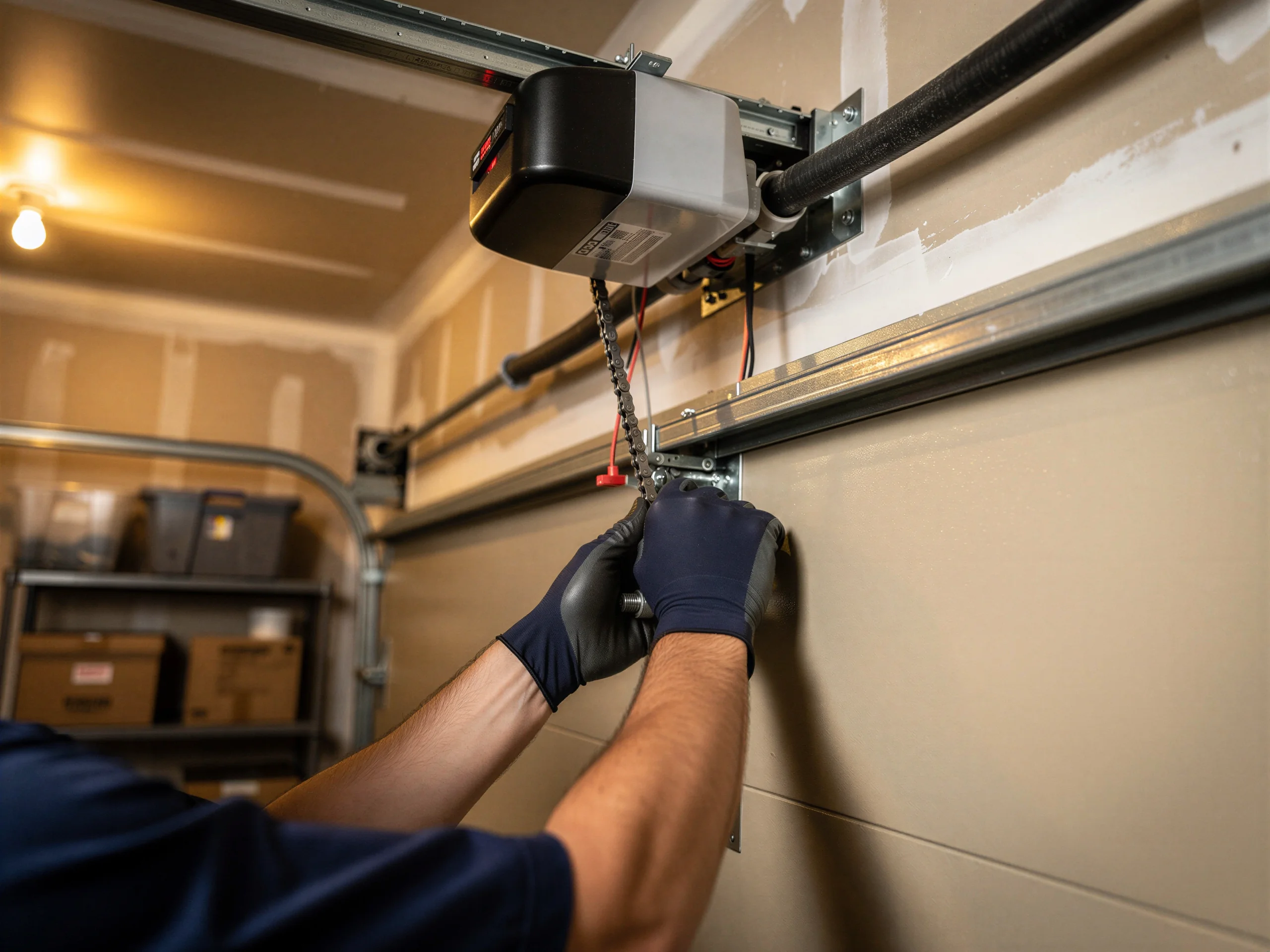
If it's just the opener not responding, try the manual release cord and lift the door by hand - if it's heavy or uneven, that's a spring problem, not an opener problem, and it needs a truck, not a wrench.
How We Fix It
We come from Elk Grove Village, 2 miles away, so the first thing on the job is usually confirming what's actually broken versus what the homeowner assumed.
Cold-morning spring snap
On Itasca's housing stock - built mostly in the 1960s and 70s across this part of the region - the common failure is a torsion spring that's fatigued and finally snapped, usually on a cold morning when the steel is stiffest.
Wire gauge matching
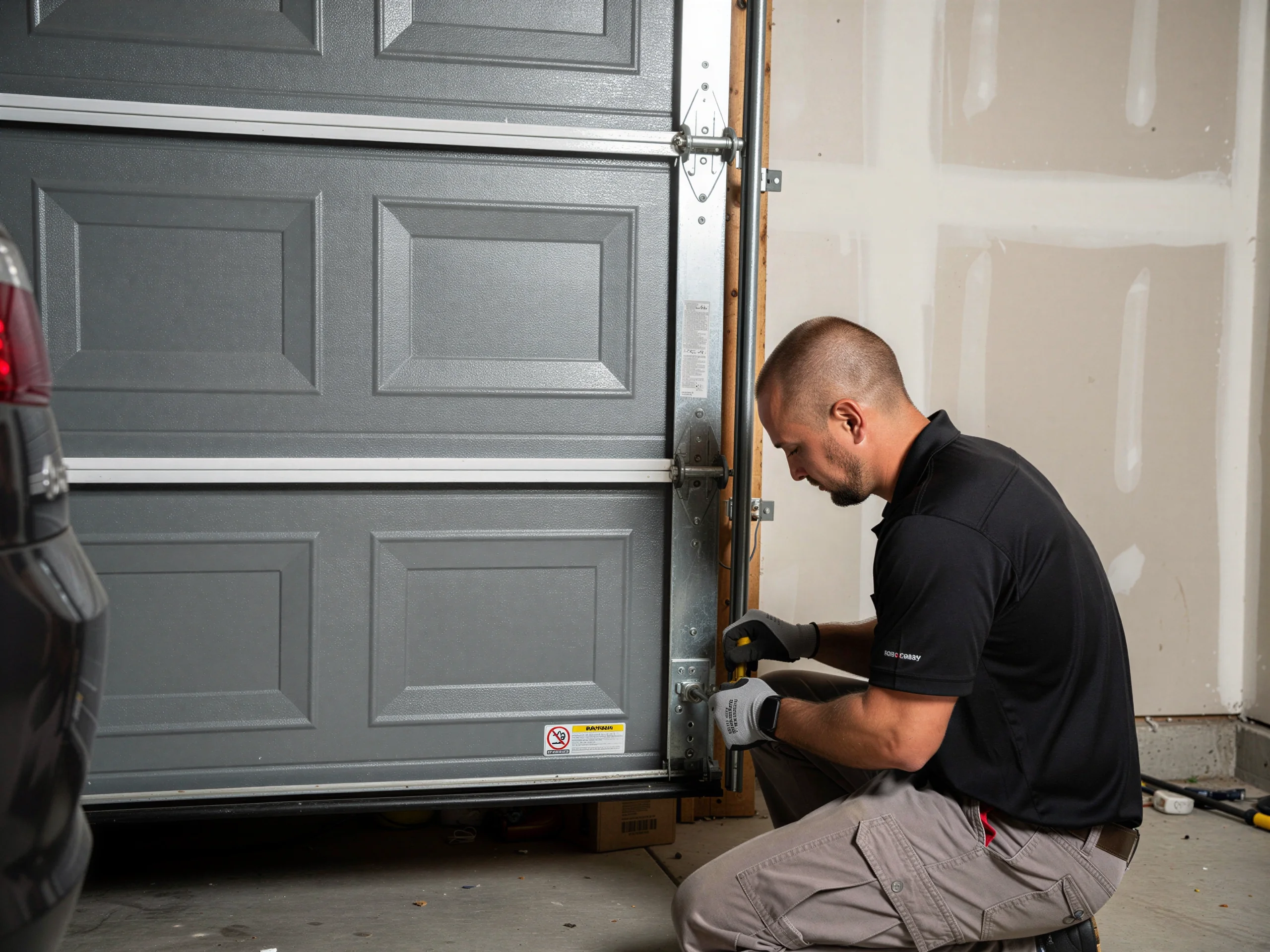
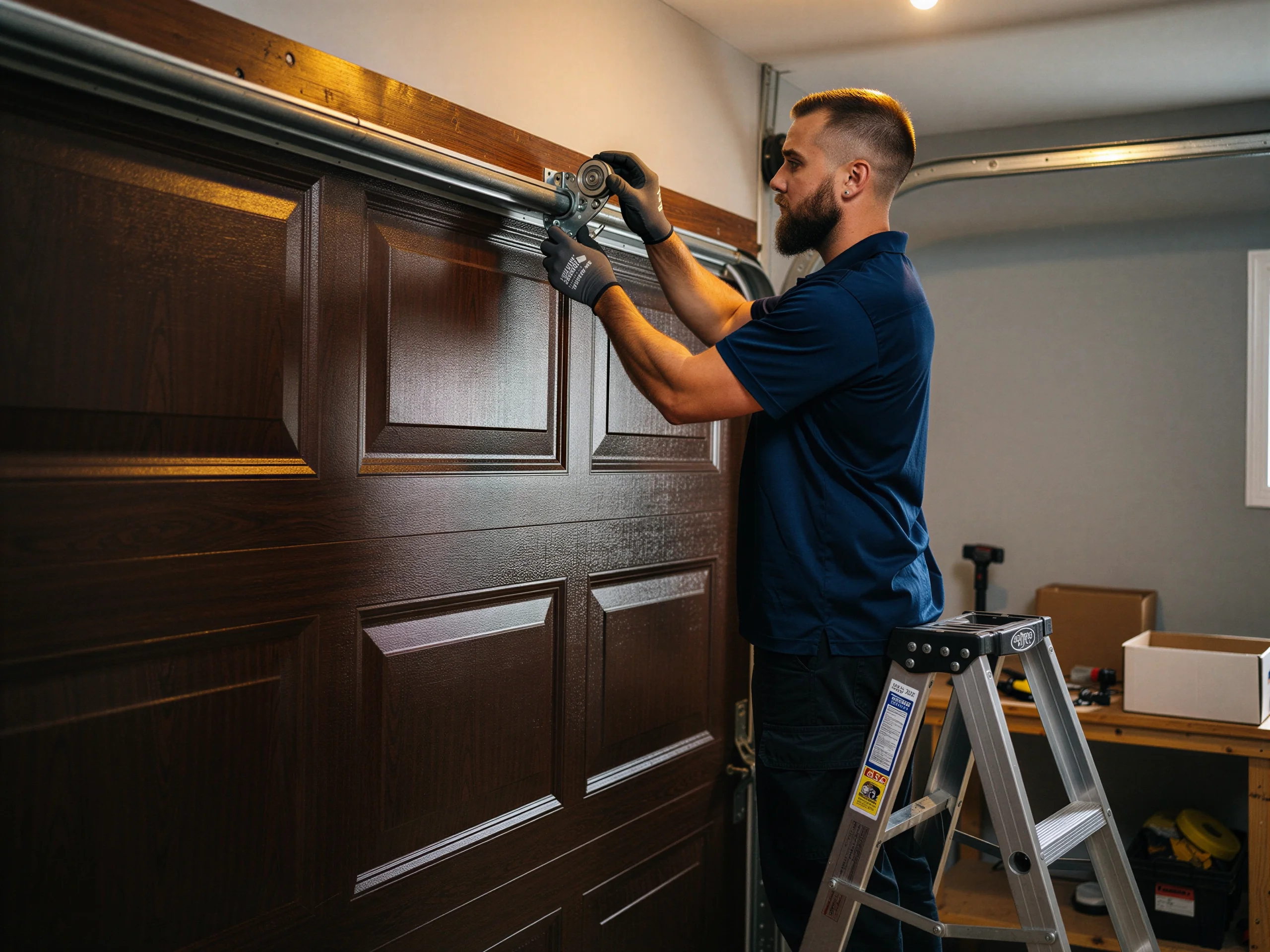
We match the spring wind and wire gauge to the door weight and track type rather than grabbing whatever's closest on the shelf, because a spring that's slightly off will wear out the opener gears fast. If the door is original to a house from this build era, we also check the drums and the shaft for wear before replacing just the spring, since a worn drum will shred a new cable in a season.
Hand balance verification
We test the balance by hand after any repair - a door that doesn't hold position halfway open isn't actually fixed, it's just running on the opener motor instead of its springs, and that motor will burn out faster carrying the load.
What Is on the Truck
Garage doors in this area - Itasca included - mostly date to a build window that runs from the late 1930s through the early 2000s, with the bulk going up in the 60s and 70s.
Spring size inventory
That spread means we carry torsion springs in a range of wind sizes and wire gauges, plus the older extension-spring hardware for the minority of doors that predate the torsion shift. We stock standard-size rollers, cables, and drums that fit the sectional steel doors common to this housing era.
Custom millwork exclusions
What we don't carry is custom millwork - if a door is a nonstandard size or a wood carriage-style door with a damaged panel, that part often has to be special-ordered, and we'll tell you that on the spot rather than let you wait on a truck that doesn't have it.
Winter seal lubricants
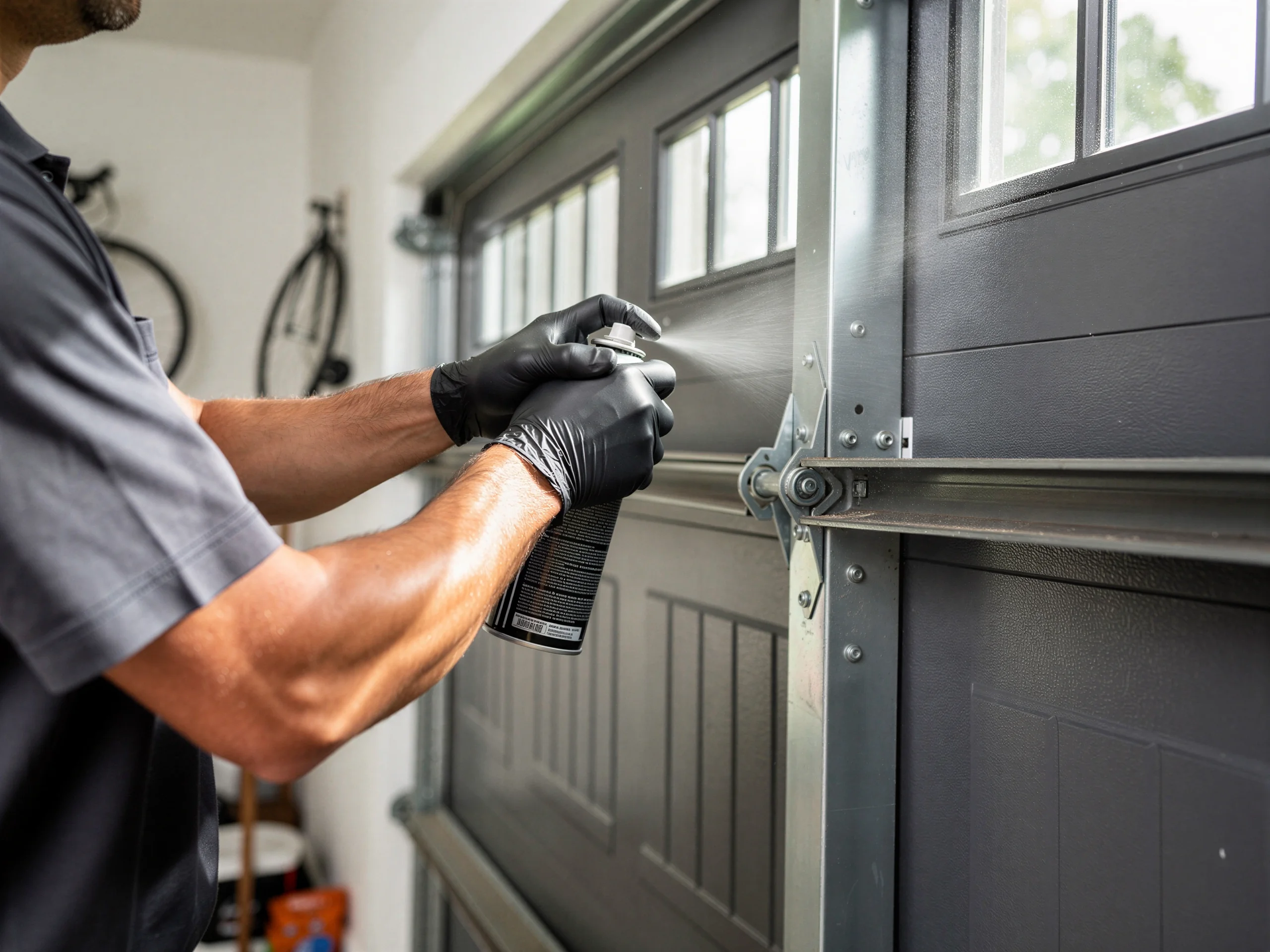
Cold-weather lubricant and weatherstripping for track seals are standard stock, since this region sits in a cold climate band and door seals take real wear over a winter.
Booking a Visit
Call and tell us what the door is doing - won't open, opens partway and reverses, spring visibly snapped, opener running but door not moving. That tells us what to load before the truck leaves Elk Grove Village. Itasca is a short run at 2 miles, which keeps the window tighter than it would be for stops further out on the route.
Have the house's build era in mind if you know it - not required, but if you know your garage is original to a 1970s build versus a later remodel, that's useful information before we arrive. We don't run a storefront here; we're a truck-based crew covering Itasca and the surrounding towns out of Elk Grove Village, so there's no walk-in counter to visit instead.
How It Shows Up
The most common call from this part of the area is a torsion spring that lets go without warning - a loud bang, then the door won't lift, or it lifts a few inches and drops.
Original 1978 springs
Given the 1978 median build year here, most of these springs are original or close to it, meaning decades of cycling on a shaft that's never been serviced. A spring under that much fatigue doesn't usually give a long warning; it goes from fine to broken between one close and the next open.
Frayed cable pattern
The second most common pattern is a cable that's frayed through on a drum worn from age, which tends to show up as the door hanging crooked - one side higher than the other - right before it fails outright.
Seasonal fault timing
Either fault can happen any time of year, but cold mornings put more stress on steel that's already fatigued, so winter call volume runs higher than summer across this climate band.
How Long You Are Without the Door
We don't quote a fixed repair window here because it depends on what's broken and what part it needs - a snapped torsion spring on a standard door is usually a same-visit fix once the truck arrives, while a bent track or a damaged panel on an older door can take longer if a part has to be sourced. What we can say is that Itasca's 2-mile distance from Elk Grove Village keeps travel time out of the equation compared to stops further down the route.
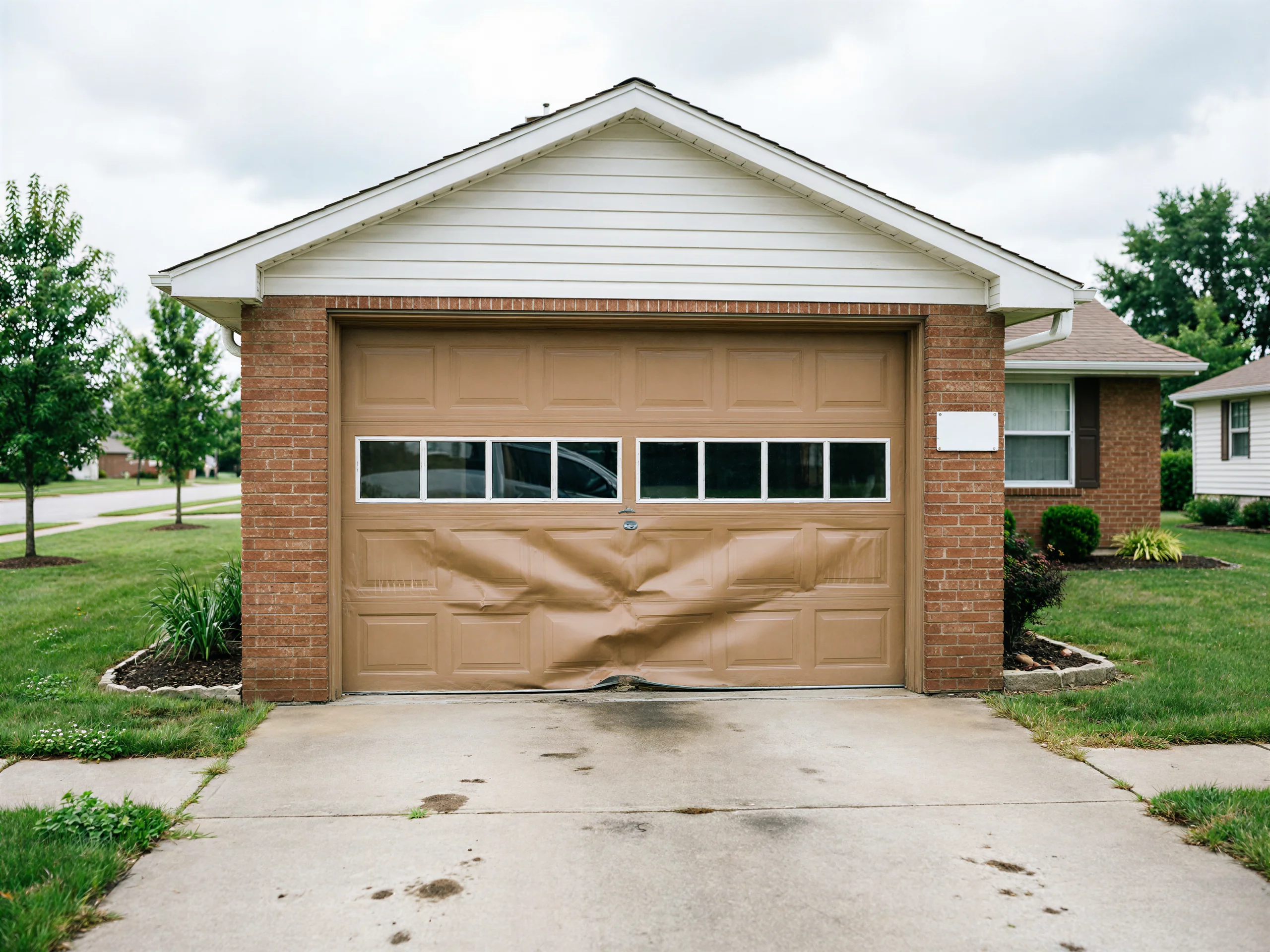
One honest limit: if the door itself is beyond repair - rusted through, a wood door with rotted stiles, or a steel door with a bowed section from impact - replacement is the honest answer, not a patch that fails again in a year. We'll tell you that rather than keep charging for repairs on a door that's done.
Talk to a local pro
Garage door service in Elk Grove Village?
Same-day service with honest, upfront quotes.