Doing It Yourself
A chain opener that grinds, a remote that works from the driveway but not the sidewalk, a unit that reverses halfway down - these look like five-minute fixes on a video.
Owner-friendly tune-ups
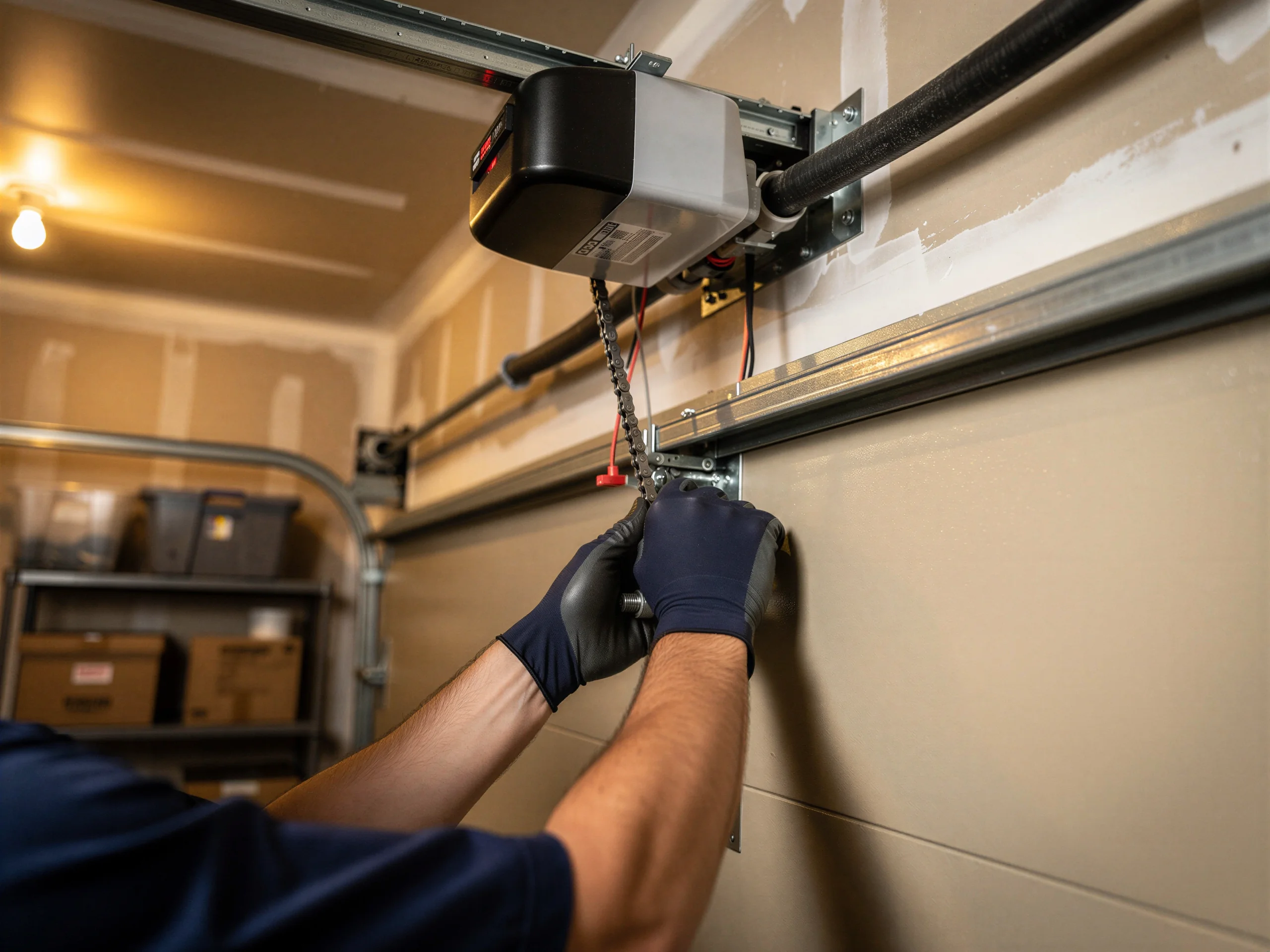
Sometimes they are. Tightening a loose chain, replacing dead remote batteries, or re-aiming a photo-eye sensor that's drifted an inch out of alignment are jobs most owners can do with a ladder and twenty minutes. What trips people up is the logic board and the force settings underneath the cover.
Relay-based circuit age
Openers from the 1980s and 90s, which cover a lot of the stock in this area given a median build year around 1976, use relay-based circuits that don't fail the same way a modern board does.
Blind capacitor swaps
Swapping a capacitor or resetting travel limits on a unit that old without the manual is a guess, and a bad guess on down-force settings is how a door comes down on a bumper or a bike. If the opener is original to a house built decades back, the part numbers may not even be printed on it anymore.
Why This Fails Locally
Housing in this service area was mostly built between 1938 and 2001, with the bulk going up in the 1960s and 70s across the roughly ninety named subdivisions and sections that make up the towns we cover. That means a huge share of openers in garages here are either original builder-grade units or a first replacement from twenty-plus years ago - chain-drive, low-horsepower, sized for a lighter door than what often sits on the track now.
The climate band here is cold-moderate, which matters more than people think. Steel drive gears and nylon sprockets inside these older units get brittle with repeated freeze-thaw cycles in the garage, and condensation on the logic board during winter swings corrodes contacts slowly, over years, not overnight. A door that worked fine in October and won't respond to the remote in January isn't coincidence - it's a board that's been degrading since the last cold season and finally gave out.
How It Shows Up
The most common call is an opener that runs the motor but the door doesn't move - a stripped nylon gear, usually, and it's a part specific to the drive type rather than a universal fix.
Down-force setting drift
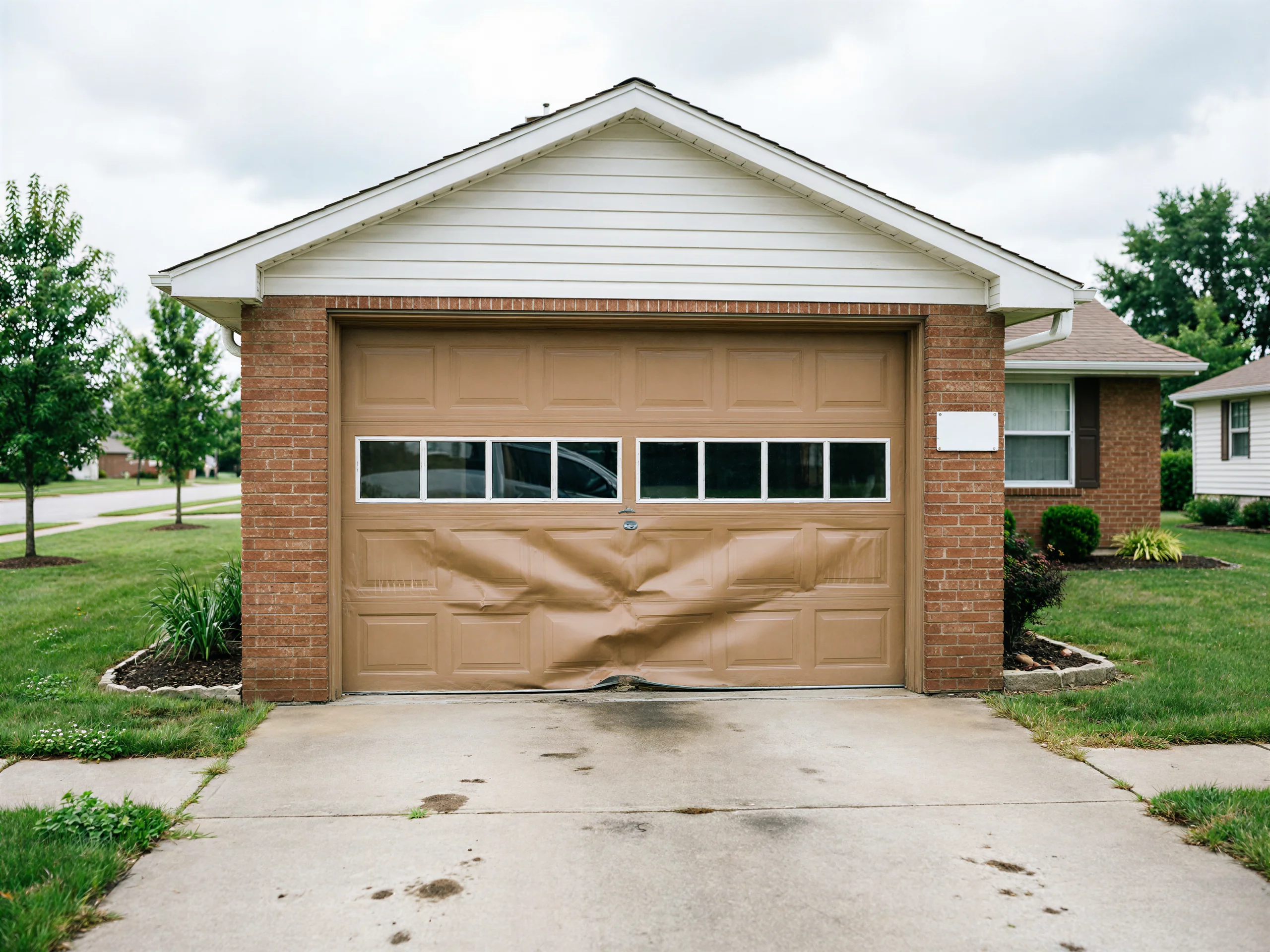
Close behind is a door that reverses before it touches the floor, which on older units is almost always the down-force dial set wrong for the door's current weight, especially after a panel swap changed how heavy the door is.
Winter receiver failure
In winter, we see openers that respond to the wall button but ignore the remote, which points to a receiver board affected by cold and moisture rather than the transmitter.
Humming dead motor
Capacitor failure shows up as a motor that hums and doesn't turn, common once a unit passes the fifteen-year mark that a lot of original builder units from the 60s and 70s era are well past. Chain slap and a door that drifts off its mark both trace back to worn rail bushings on units that have never been serviced.
How We Fix It
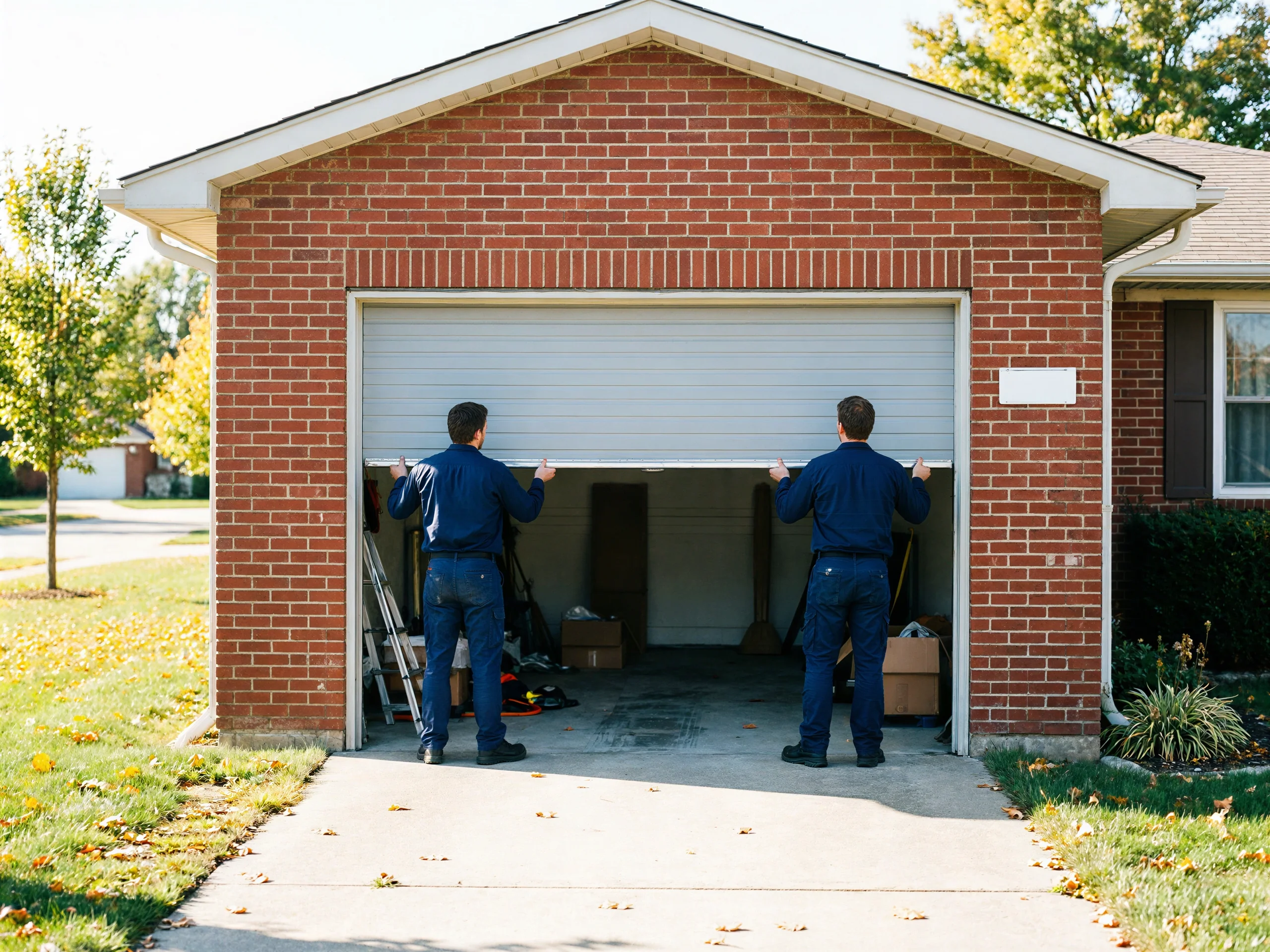
We start by running the opener through its full cycle and watching where it hangs - motor, gear, board, or sensor - rather than swapping parts on a guess. If it's a stripped drive gear or worn sprocket, that's a direct replacement and usually a same-visit job. A failed logic board or capacitor on a unit old enough to match the housing stock here sometimes means the manufacturer doesn't carry that part anymore, and at that point we'll say so plainly: replacing the opener costs less than hunting down a discontinued board, and we'd rather tell you that up front than bill you for the search.
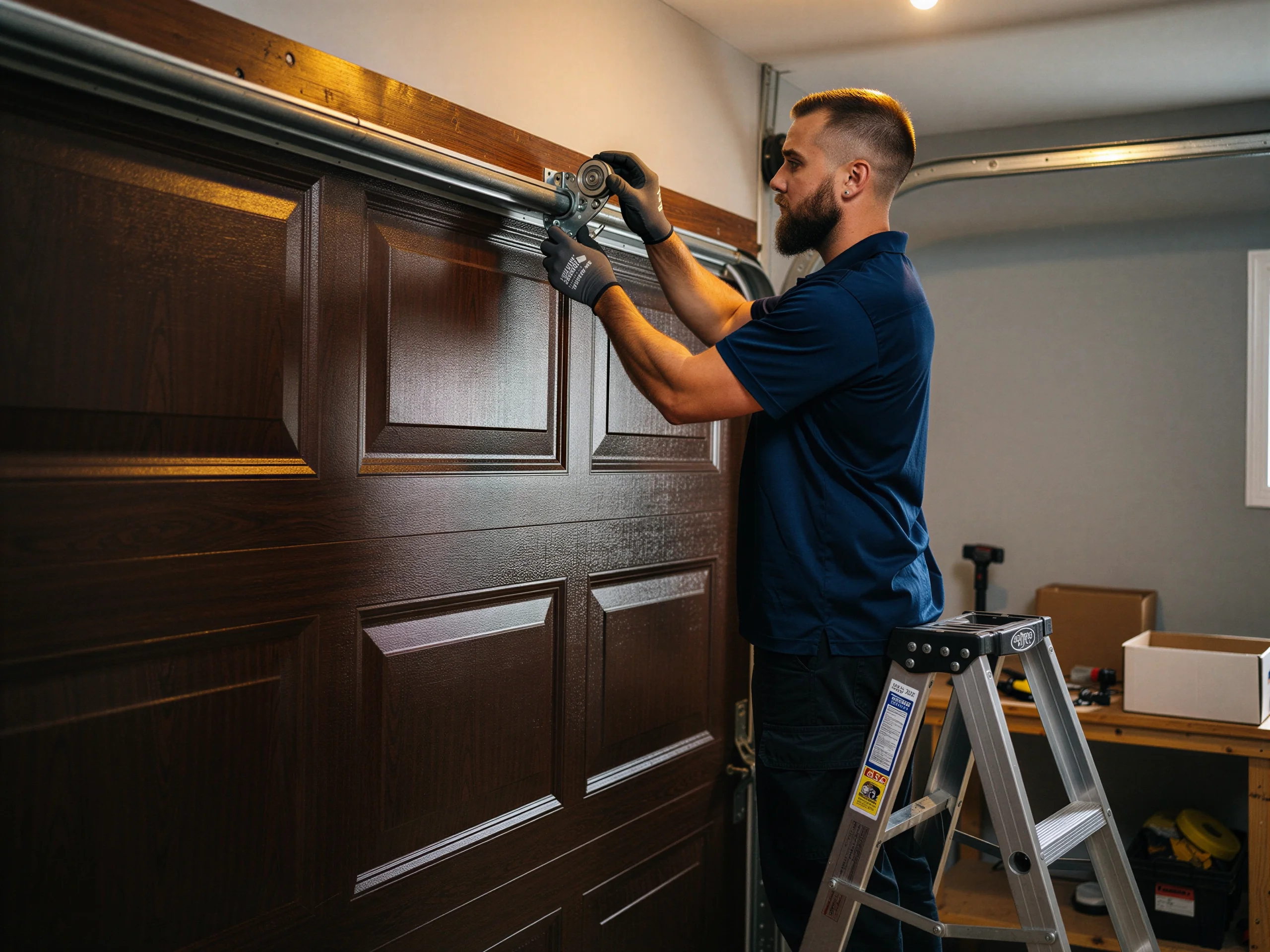
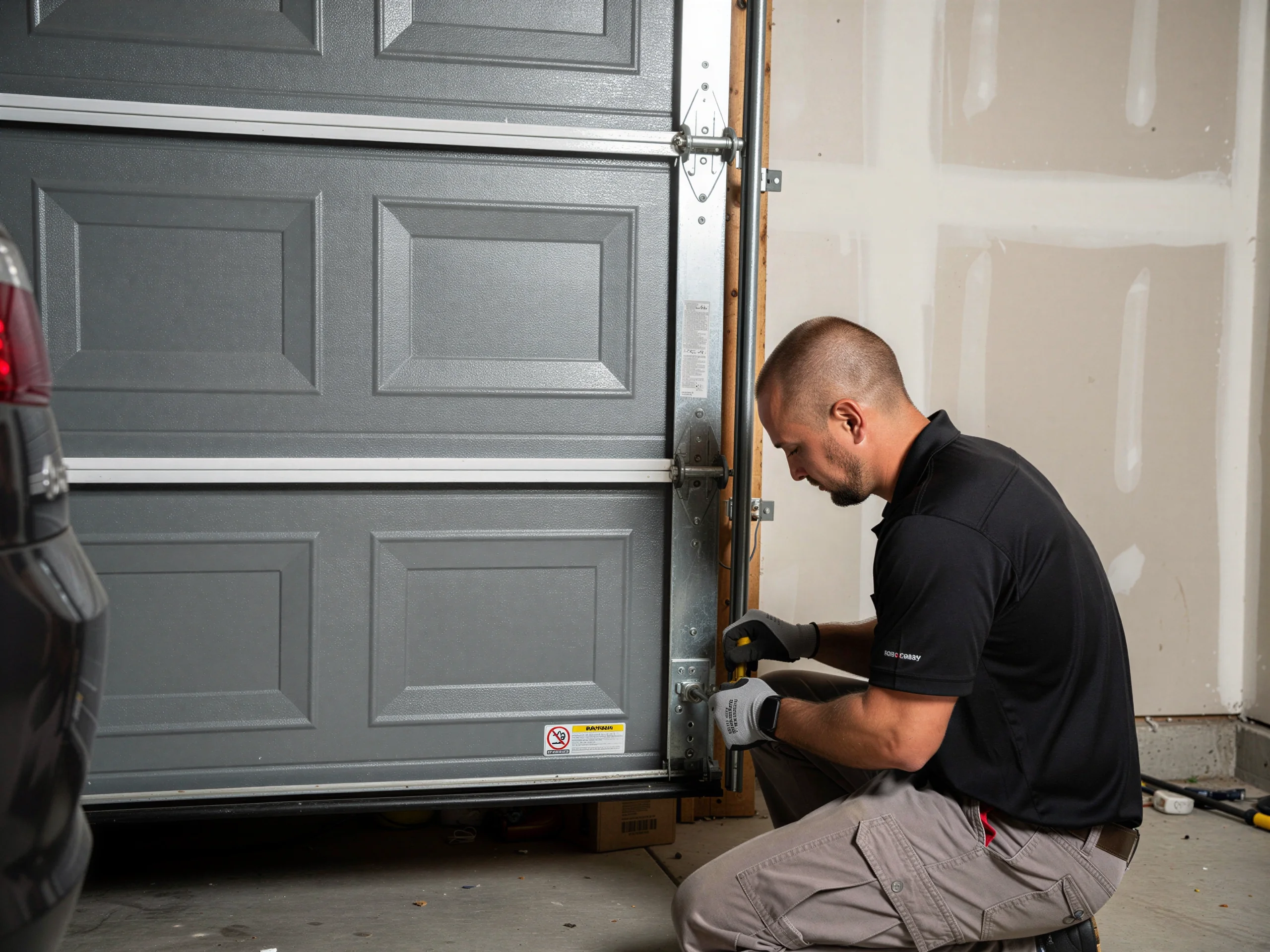
For force and travel settings, we set them to the door's actual current weight, not the opener's factory default, which matters most on doors that have been repaired or re-paneled since the opener went in. We also check the photo-eye alignment and wall station wiring while we're there, since a sensor knocked out of true is often mistaken for an opener fault.
Talk to a local pro
Garage door service in Elk Grove Village?
Same-day service with honest, upfront quotes.