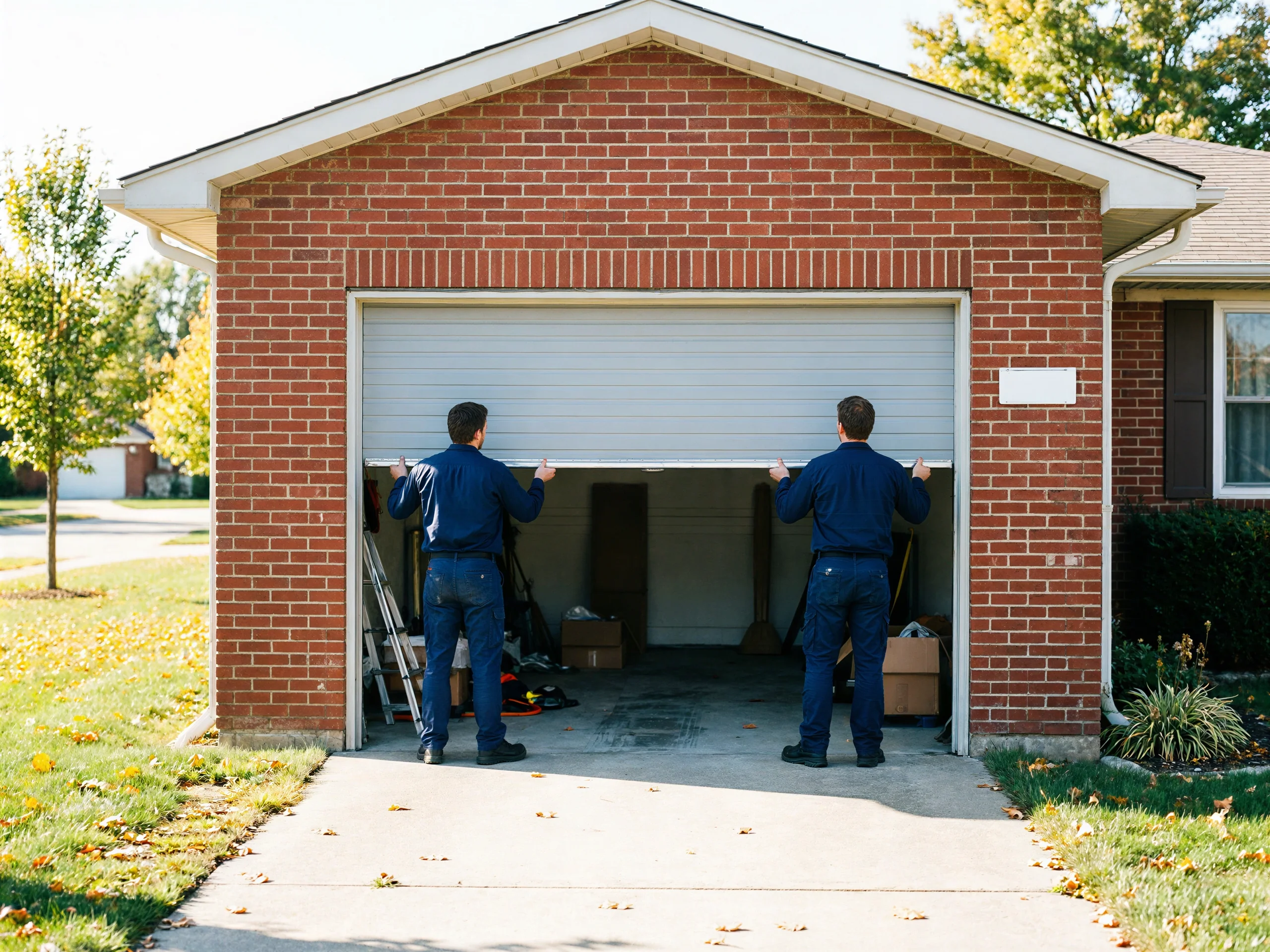
Doing It Yourself
Itasca's median household income runs $111,898, well above the $105,461 figure for the wider area this company covers. That number matters more than it sounds like it should.
Replace-or-repair reflex
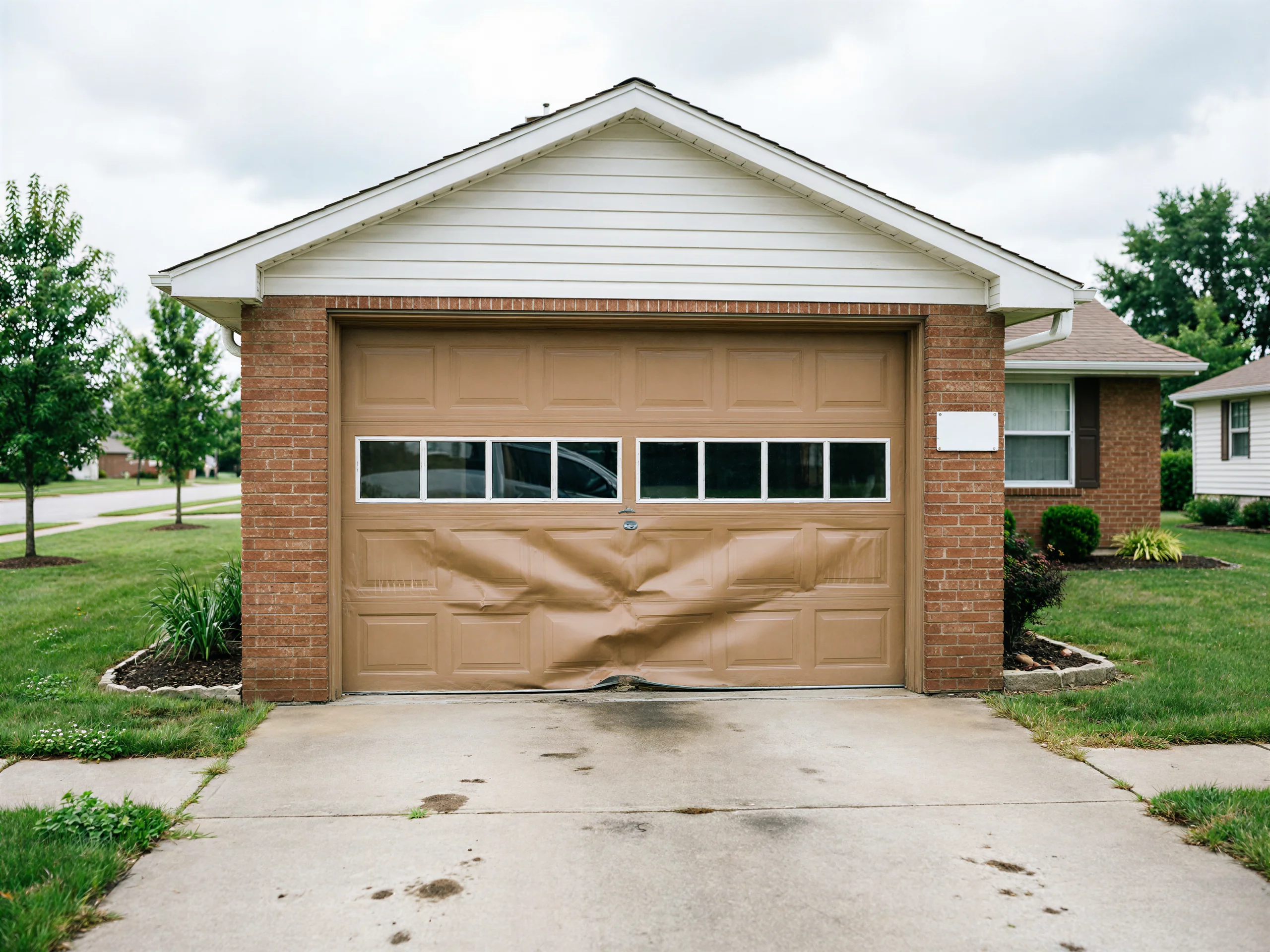
At that income level, a lot of homeowners here default to replacing a door the moment it acts up rather than nursing it along, and that's not always the right call. A worn bottom seal or a dented panel on an otherwise sound door built in the 1970s era is still a repair job, not a replacement job.
Hardware sizing flip
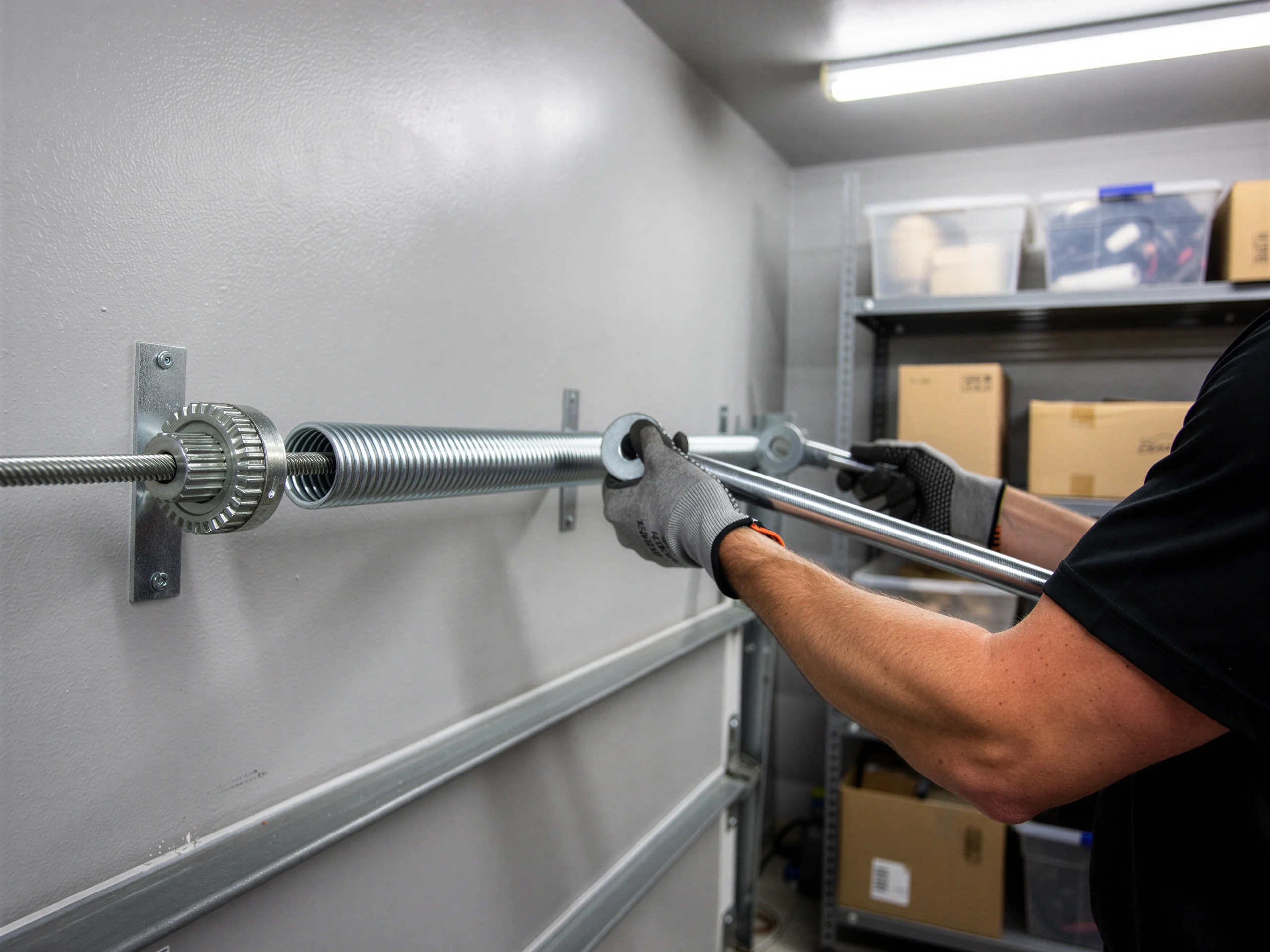
Where the math flips is hardware: torsion springs, drums, and track sized for a door built around 1978 (the rough median build year for houses in Itasca) are old enough now that matching parts can be harder to source than just installing new.
Line-crossing diagnosis
We'll tell you straight which side of that line your door is on before we talk about a new install. We're not going to recommend a full replacement because it's a bigger job and a bigger ticket - if the fix holds, we say so.
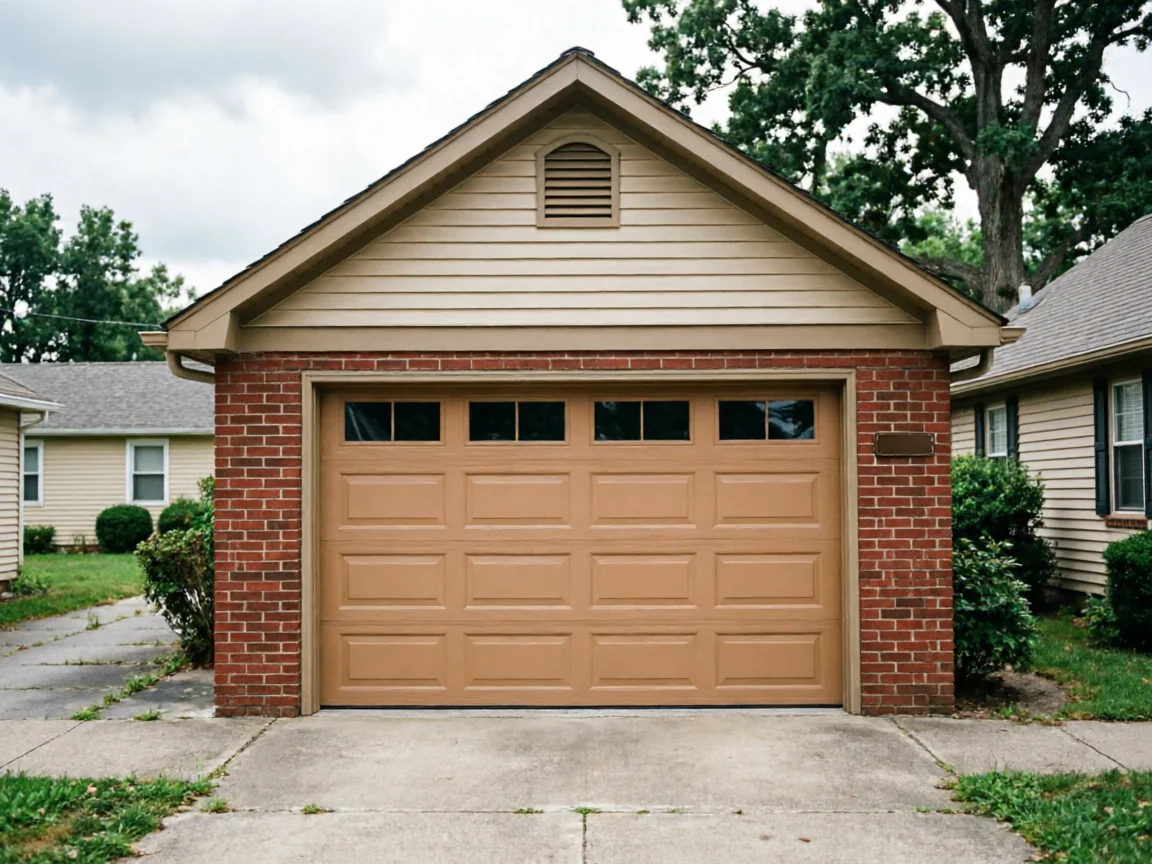
How We Fix It
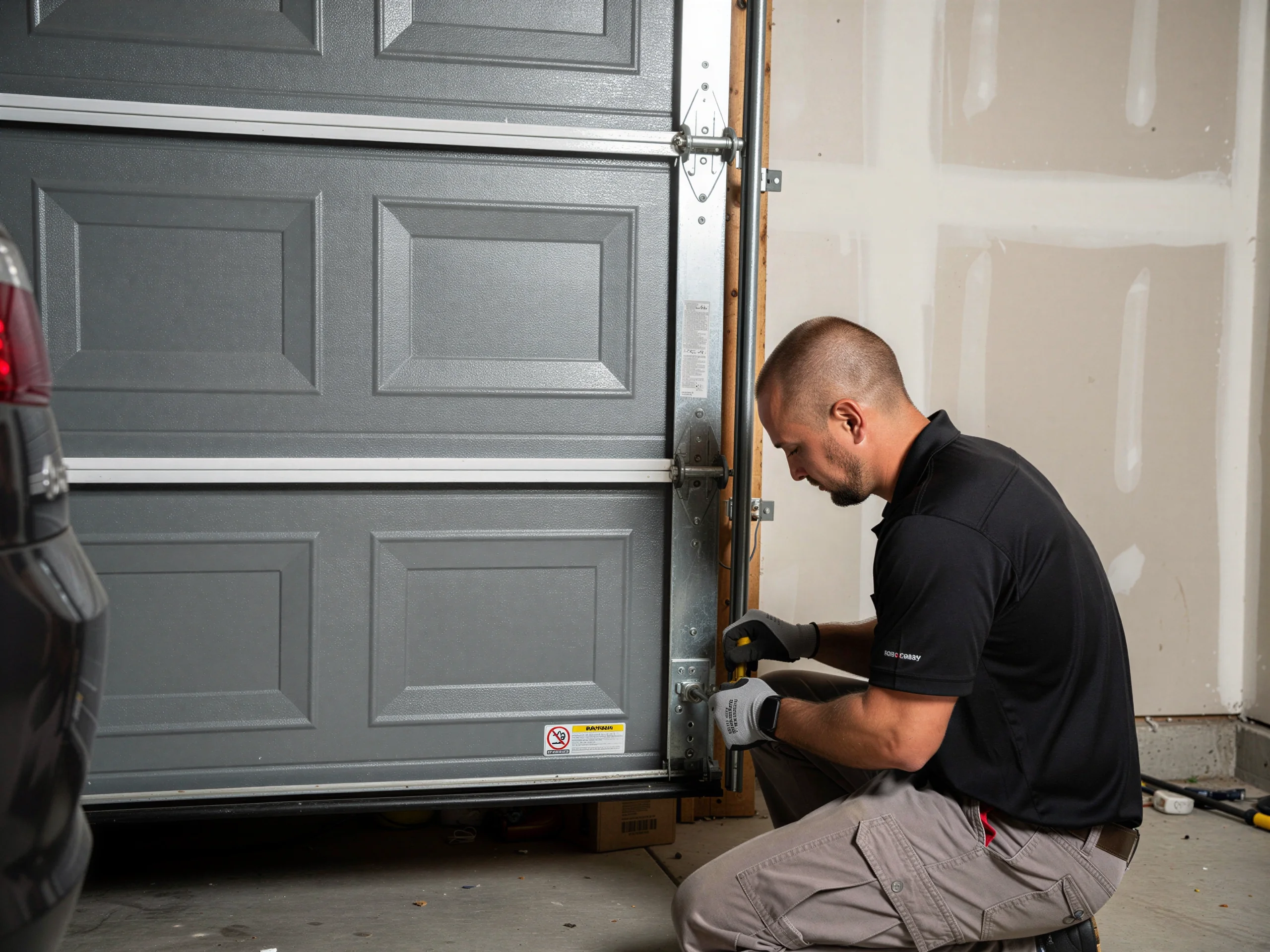
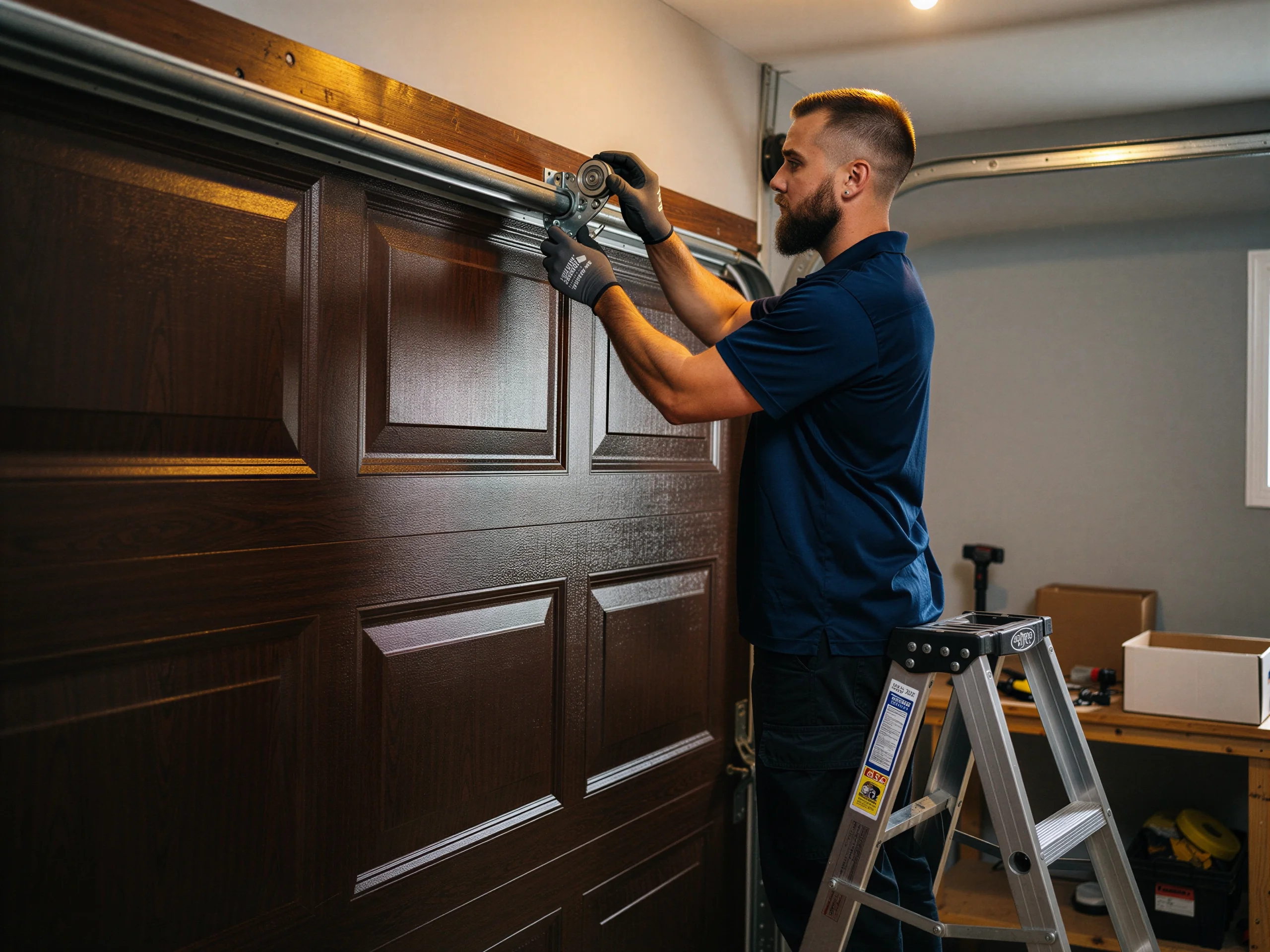
"Fixing it" at this stage usually means deciding the old door is done and planning the new one around the opening you actually have. Houses in Itasca built around the 1976-1978 window tend to have openings sized for one-piece or early sectional doors, and the framing isn't always square to modern sectional door specs. We measure the opening, not the old door, before ordering anything. The service area sits in a cold-moderate climate band, which is the reason we spec insulated panels and a sealed bottom astragal as the default, not an upsell - a single-skin door in this band loses enough heat through the panel that owners notice it on the thermostat. We pull the old door, check the jambs and header for rot or settling (common enough in a house pushing fifty years old), shim as needed, and set the new unit plumb and square before hanging an opener. If the framing needs carpentry beyond a shim, that's a separate conversation before we go further.
What Is on the Truck
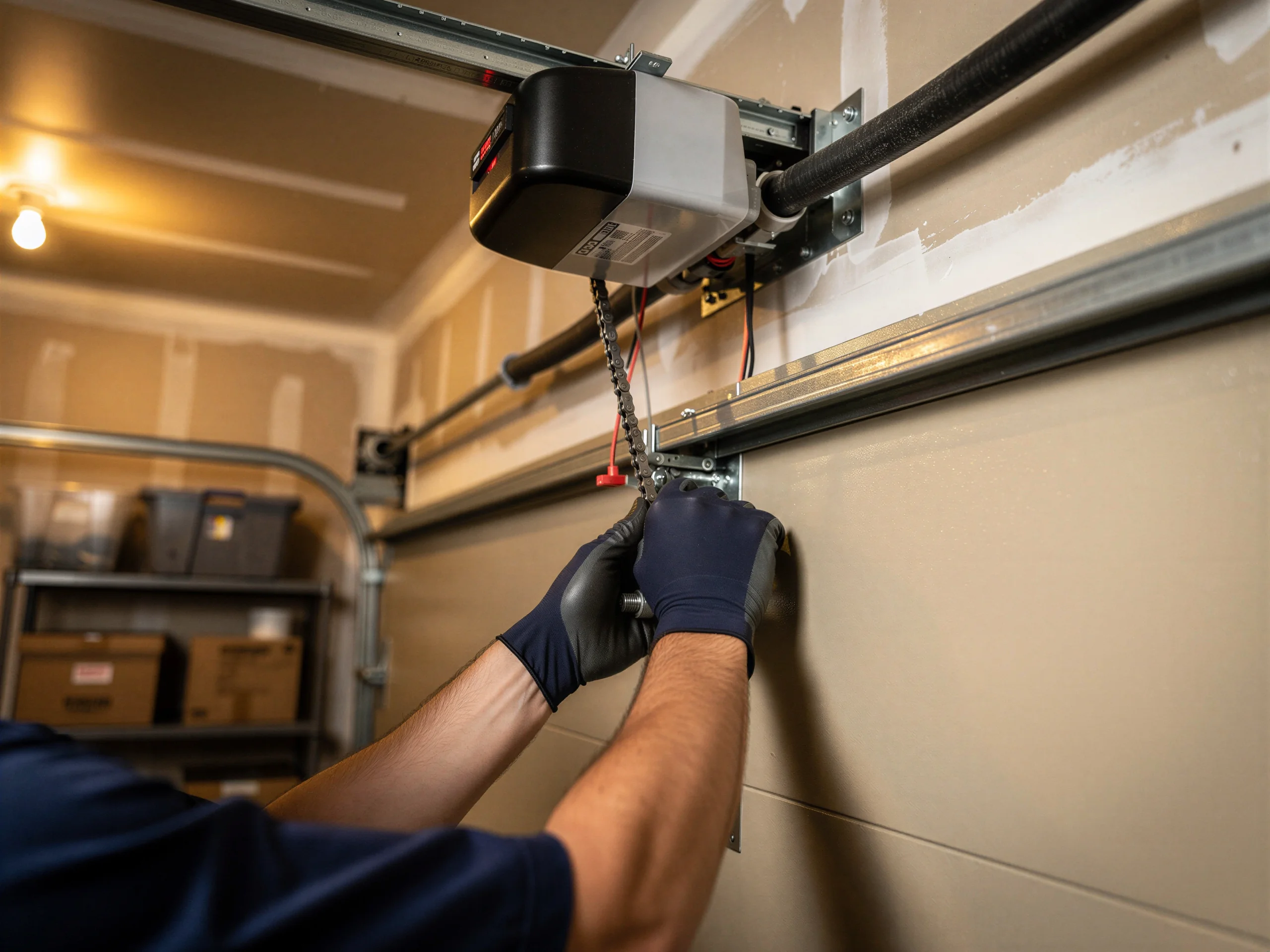
For a new install we bring the door sections, track, torsion spring sized to the door weight, cables, rollers, and the opener hardware matched to the door style - plus the fasteners and shims for an opening that isn't perfectly square, which is common in housing from the 1976-1978 era.
Custom-width lead time
What we don't carry is a custom-width door built to spec on the spot; non-standard openings get measured on site and ordered, which adds lead time before install day.
Seal stock selection
We also carry weatherstrip and bottom seal stock suited to a cold-moderate climate, since a mismatched seal is one of the most common comebacks on a new door in this kind of winter.
Measurement-stage size notice
If your opening turns out to need a size the truck doesn't stock, we'll tell you that at the measurement, not after we've started pulling the old door.
Booking a Visit
Itasca sits about two miles from Elk Grove Village, which is where this crew runs from - the shortest drive of any town in the coverage area, closer than Wood Dale at three miles or Roselle at five. That doesn't buy a faster response time; it just means less windshield time between the shop and your driveway on install day. Booking a new door install means a measurement visit first if the opening or framing is anything but standard, then a scheduled install once the door is on hand. We'll walk the opening with you, point out anything that affects the quote - header height, jamb condition, whether the opener needs replacing too - before anything gets ordered.
How It Shows Up
On install day the old door comes off the track entirely rather than getting patched into the new hardware - torsion springs and drums from a door built in the 1976-1978 range aren't cross-compatible with new sectional panels, so reusing old spring hardware isn't on the table even if it looks fine.
Upgrade in thickness and insulation
What shows up afterward is a door and opener matched to current panel thickness and insulation rating, which on a house from that era is usually a step up from whatever single-skin door was original to the build.
Quieter, warmer garage result
You'll notice it most in how much quieter the door runs and how much less cold air comes through the seams in winter, given the cold-moderate climate this area sits in. We don't repaint trim or patch siding disturbed by the old door's hardware - that's outside the install scope.
How Long You Are Without the Door
A standard install, where the opening is square and the door is in stock, is a one-visit job - the garage isn't open and unsecured overnight. Where it runs longer is when the opening needs carpentry work first, or when a non-standard width has to be special-ordered, which happens more often than you'd expect on houses built before modern sectional door sizing became standard (anything from the 1938-2001 build range across this area can fall into that category). In those cases we'll give you a real timeline once we've measured, not a guess. We don't leave an opening uncovered between the removal and the new door going up if it can be avoided - that's scheduled as one continuous visit whenever the parts are on hand.
Talk to a local pro
Garage door service in Elk Grove Village?
Same-day service with honest, upfront quotes.