Doing It Yourself
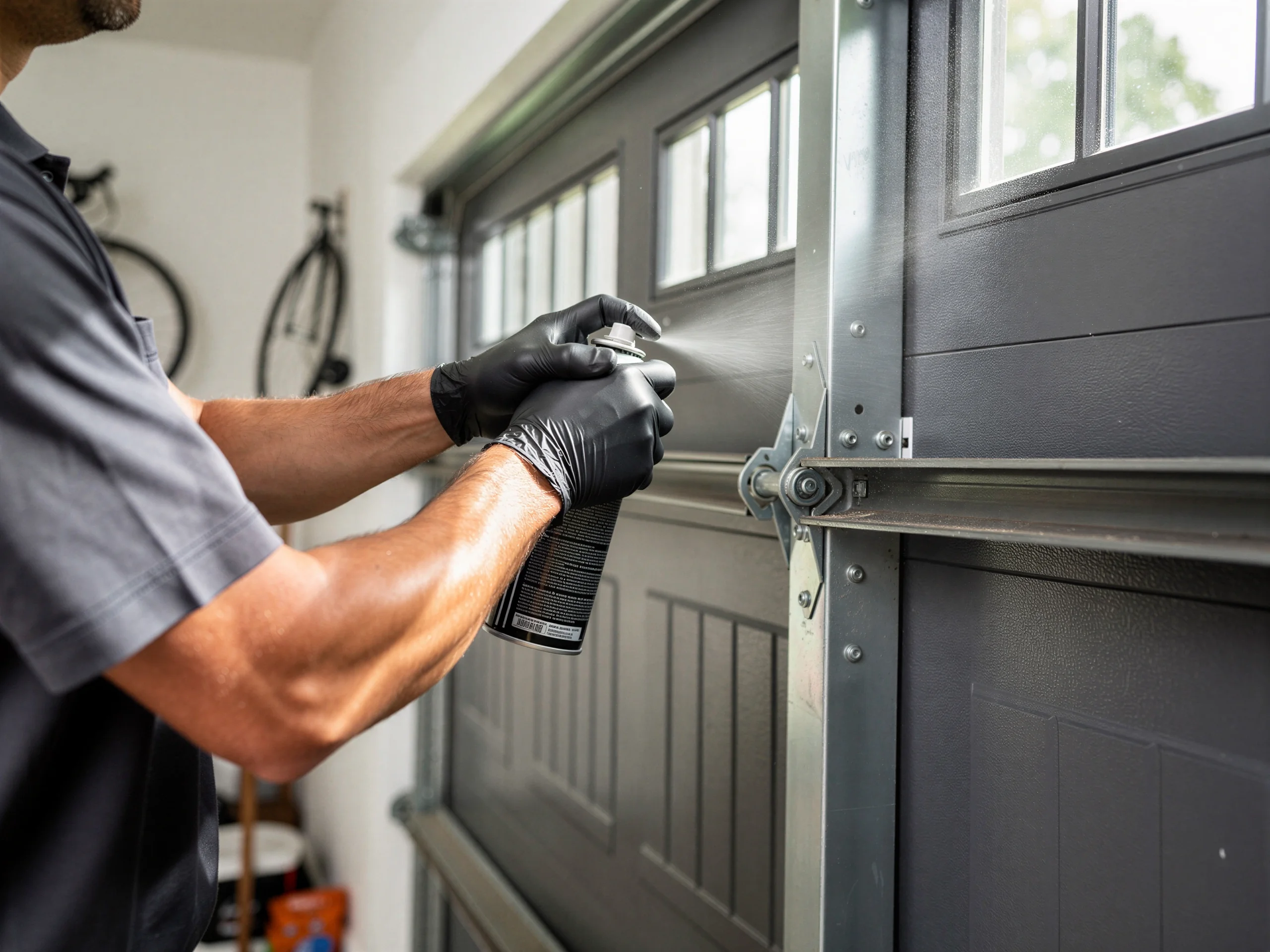
Rollers look like the easy fix. Pull the old ones, drop in new nylon rollers, done in an afternoon - that's the pitch you'll see online.
Retainer clip release
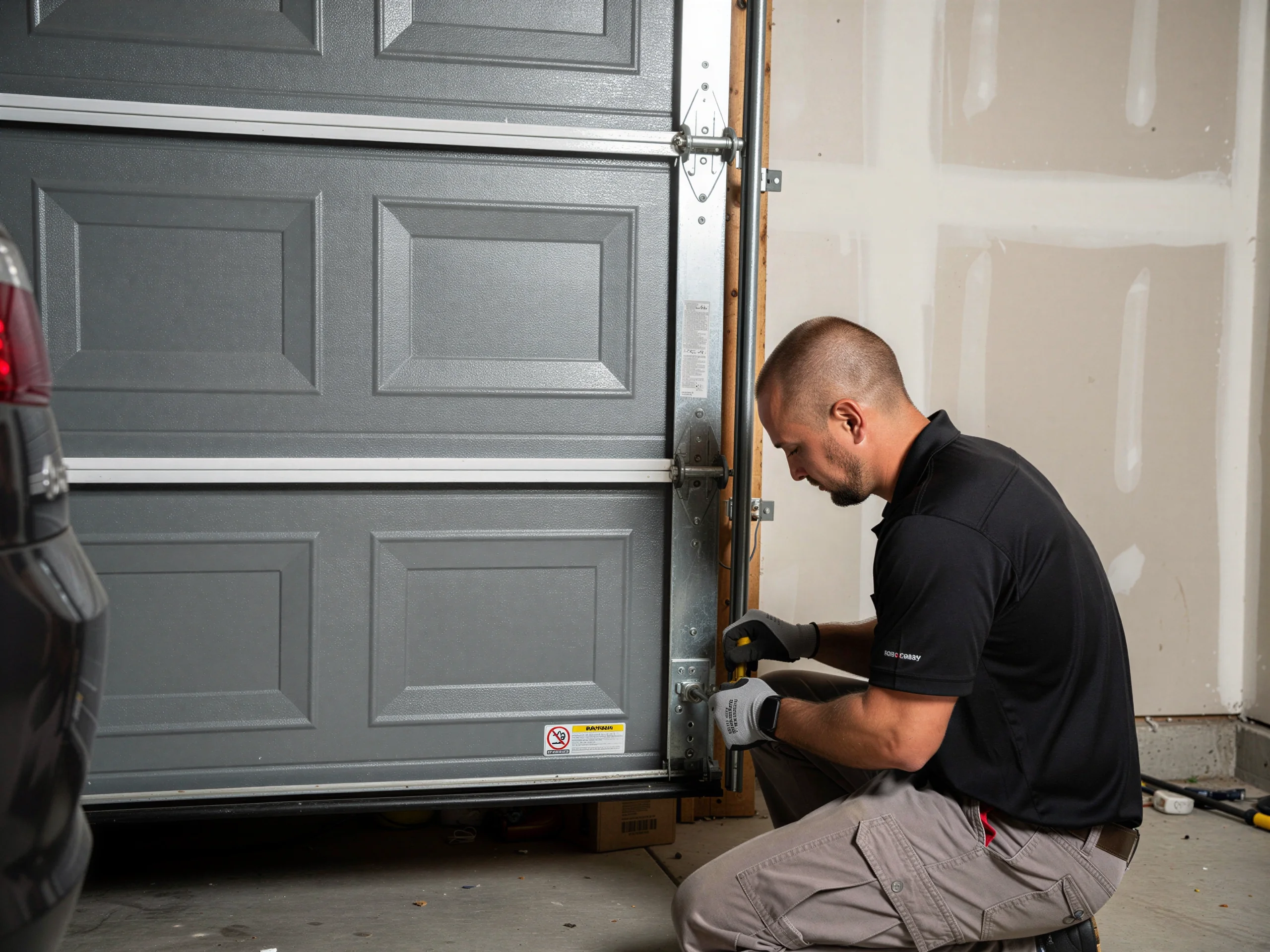
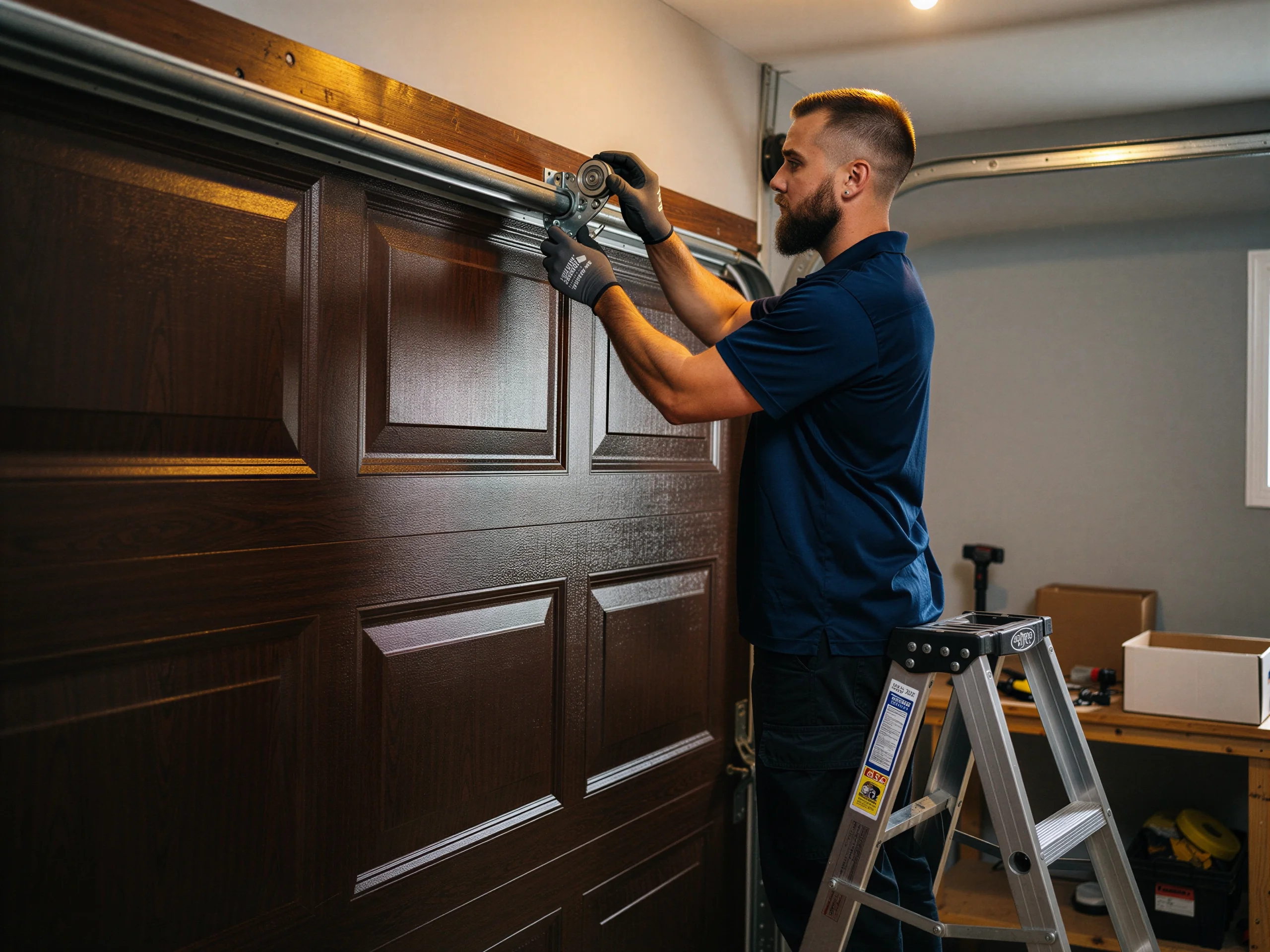
On paper it's a simple job: release the track retainer, slide the roller stem out of the hinge, swap it, reset the retainer clip. Most homeowners can handle one or two rollers on a door that's otherwise healthy.
Original steel-on-steel setup
Where it goes wrong is the door itself. A lot of garage doors around here are original to houses built in that 1938-2001 window, with the bulk from the 1960s and 70s. That means steel rollers on steel tracks that have never been swapped, hinges worn oval instead of round, and track sections bent from decades of use.
Compensating worn components
Pull a roller on a track like that and you're not doing a simple swap - you're working on a system where every part has been compensating for every other worn part. The other issue is scope.
Symptoms return quickly
If you're replacing rollers because the door is noisy or jumping the track, and you don't also check the hinges, the cable drum alignment, and the track gap, you'll have the same symptom back in a few months with a new roller worn flat. We're not against DIY. We just don't want you spending a Saturday solving the wrong problem.
Why This Fails Locally
Elk Grove Village sits in a cold, moderate climate band, and that matters more for rollers than people expect. Steel rollers contract in winter cold, and the grease in old bearings thickens or dries out entirely, so a roller that spun free in August can be dragging and flat-spotting by January. On a door that's already decades old, that seasonal swing accelerates wear that would otherwise take years.
Across the service area, most of the housing stock dates to the 1960s and 70s, with builds spanning 1938 to 2001. Doors from that era were almost all built with steel rollers as standard - nylon rollers with sealed bearings weren't the default upgrade they are now. So a huge share of garage doors in this area are still running the original roller style, or a direct steel replacement, decades past when they should have been swapped.
Put the two together: older steel rollers plus a real cold season means the failure curve here is steeper than in a newer-build, milder-climate area. It's not that Elk Grove Village doors are unusual - it's that the housing age and the weather both push the same part toward failure at the same time.
How It Shows Up
The first sign is usually sound, not movement. A grinding or rhythmic clunk as the door travels, worse in cold weather, is a flat-spotted or seized roller dragging through the track instead of rolling through it.
Rollers that stopped turning
You'll often hear it before you see anything visibly wrong. Next comes the door riding unevenly - one side lags, or the door seems to hitch at the same spot on every cycle. That's a roller that's stopped turning on one corner while the others still work, which puts uneven load on the track and the opener.
Snapped roller stem
In worse cases, a roller stem snaps or a roller jumps the track entirely, and the door won't move, or moves and binds hard partway up. That's not a thing to force with the opener - a stuck roller fighting a motor is how you bend a track or strip a gear.
Corner light gap
Some owners notice it first as a draft or light gap at one corner of a closed door - a track pushed slightly out of alignment by a bad roller lets the door seat unevenly. None of these are dramatic on their own, but they're the same root cause showing up in different places.
How We Fix It
We start by checking the whole roller and track system, not just the roller that's making noise, since on an older door the one that's loudest usually isn't the one that's worst.
Track parallel check
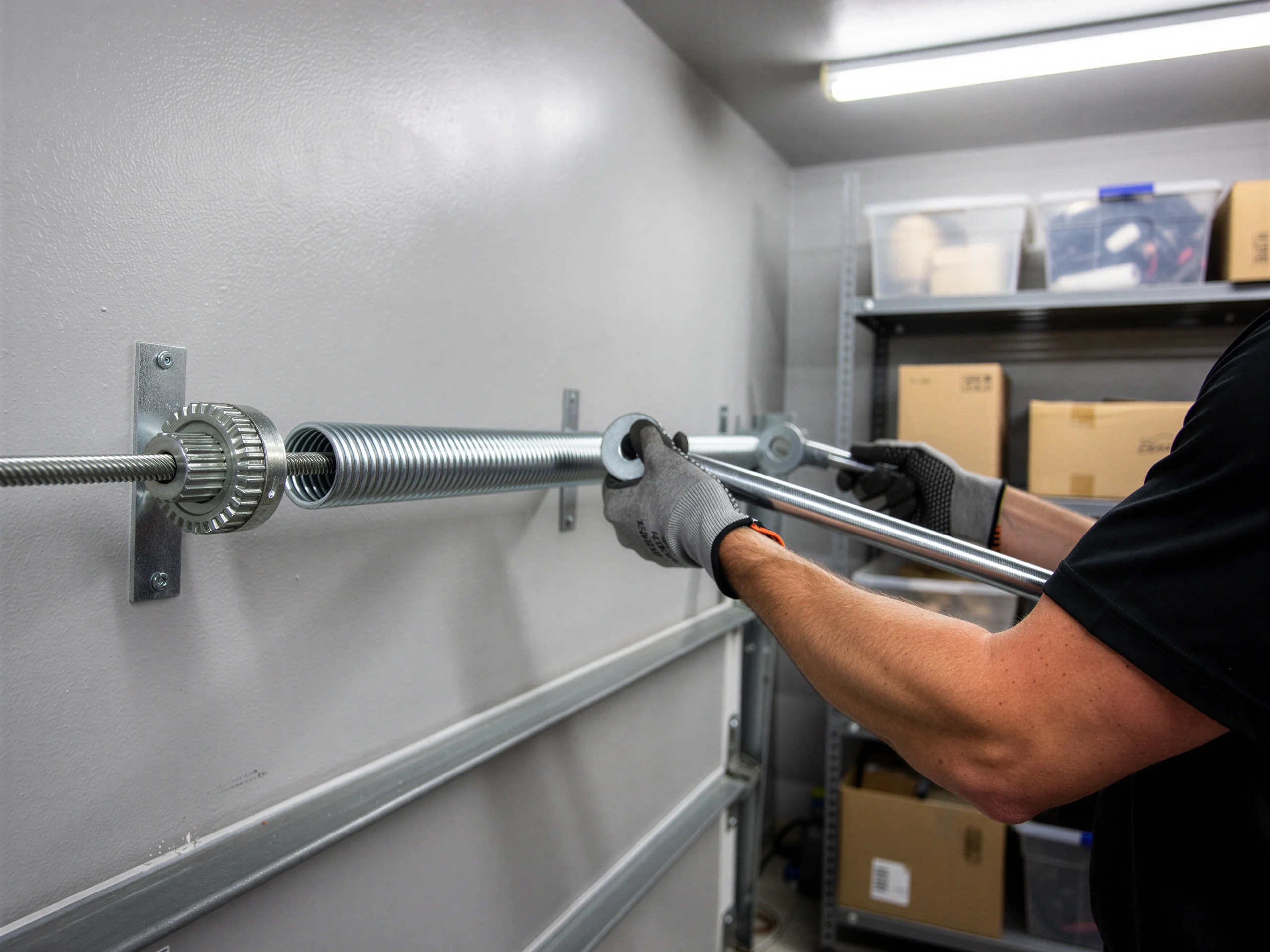
We look at roller wear, hinge wear at the stem, and whether the track itself has been knocked out of parallel - a new roller in a bent track just wears the same way again.
Sealed-bearing roller upgrade
Where the door and hardware are otherwise sound, we replace the worn rollers with sealed-bearing rollers sized to match the existing track, and we true up any hinge or track section that's drifted. That's usually enough to quiet a door down and get it running even again for years. We'll tell you straight if the issue is bigger than rollers.
Worn beyond roller swap
On doors old enough to be original to a 1960s or 70s build, we sometimes find the track or hinges worn past the point where a roller swap alone fixes anything - in that case, patching just the rollers is a short-term fix we're honest about calling short-term. We'd rather tell you that upfront than have you pay for a repeat job in a year.
Talk to a local pro
Garage door service in Elk Grove Village?
Same-day service with honest, upfront quotes.