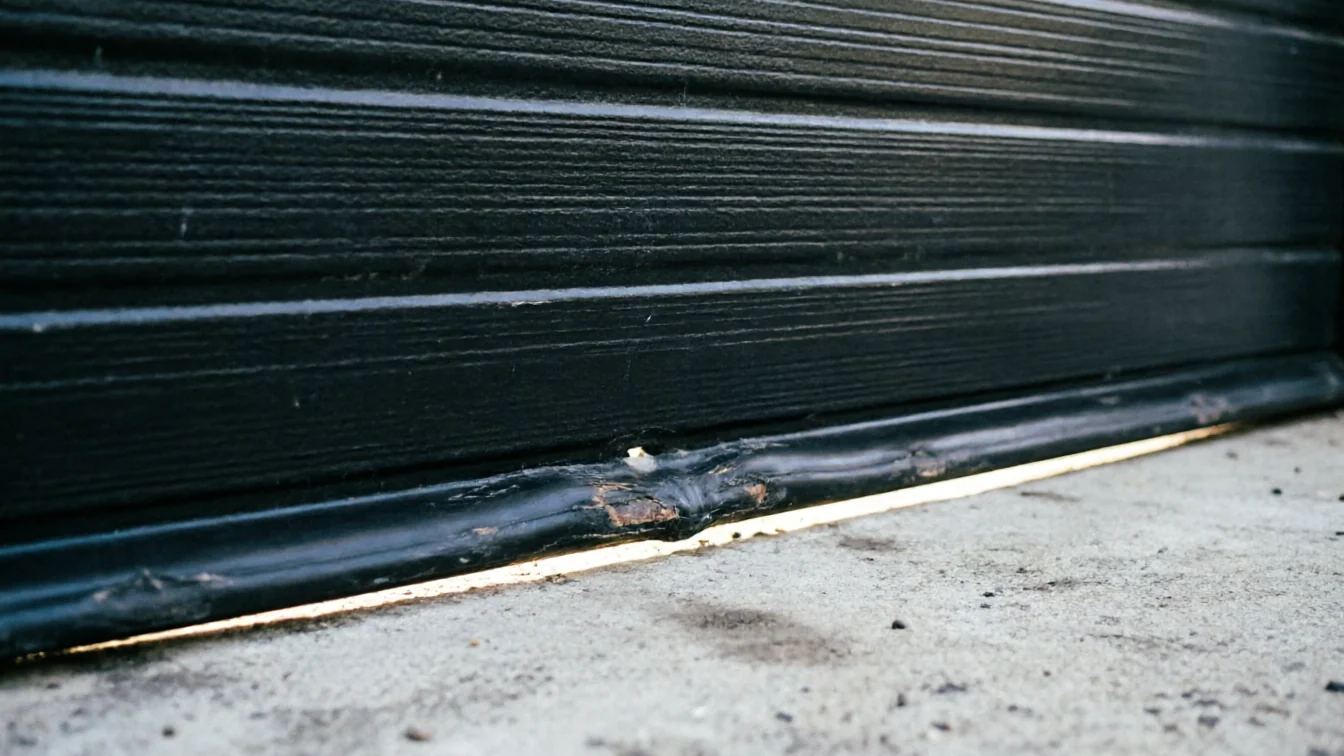
Why Your Garage Door Lets the Cold In
A look at why weather seals and draughts show up on Elk Grove Village garage doors, tied to the area's 1938-2001 housing stock and cold winters.
Read moreA technician's first-look checklist for Elk Grove Village garage doors, tied to the area's 1960s-70s housing stock and cold-climate wear on springs and track.
Local detail
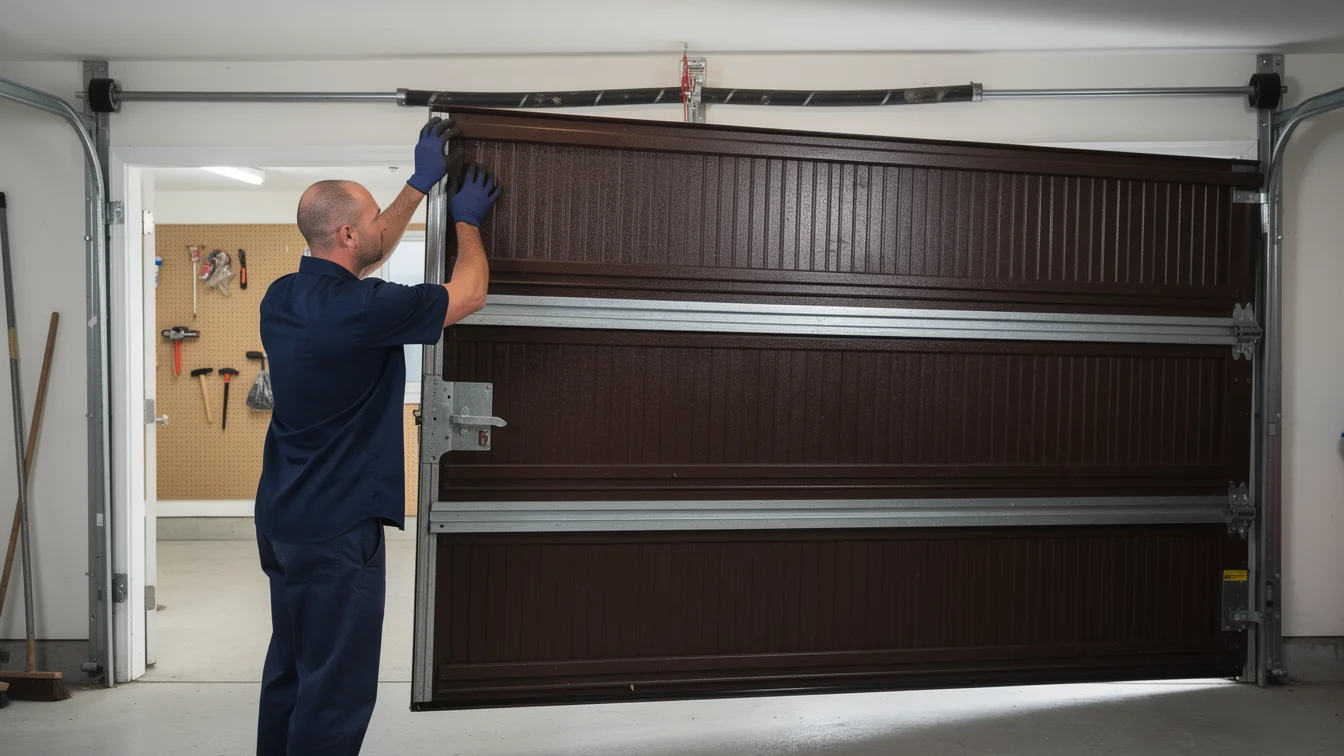
Before you call anyone, there are three things worth a look. First, the springs above the door - if one looks stretched further than the other, or you see a gap in the coil, that's a broken torsion spring, and you should not run the opener past that point. Second, the track alignment - stand back and sight down both rails. A kink or a spot where the rollers bind usually shows up as a visible dent, not something subtle. Third, the cables on either side of the door near the bottom bracket - frayed strands mean the cable is close to letting go, and that usually takes the spring assembly or a panel with it.
Most houses in this area went up between 1938 and 2001, with a lot of the stock dating to the 1960s and 70s, so a good share of doors and openers in Elk Grove Village are original equipment or a first replacement from decades back. That means you're more likely to be looking at an older torsion setup with hardware that's been painted over or rusted at the mounting plate, not a newer extension-spring system. If you see visible rust flaking off the spring coils themselves, that's worth noting before a tech even arrives - it tells us the spring's temper is probably already compromised.
We'd rather you check these three things and call with a clear description than guess and keep opening the door anyway.
The area
A lot of the service calls we get in this part of the area trace back to the age of the equipment rather than one bad part. With housing in the service area built mostly between 1938 and 2001 and a median build year around 1976, a huge number of garage doors and openers are pushing well past their expected working life, even if nobody's touched them. Torsion springs are rated in cycles, not years, but a spring installed when the house was built in the 1960s or 70s has usually seen thousands more open-close cycles than its rated life, especially on a two-car door that gets used daily.
The other piece of the situation is what's attached to that old equipment. Steel brackets, lag bolts into aging jambs, and galvanized cable that's never been replaced - all of it ages together. When one part fails, it's rarely alone; a snapped cable on a 40-year-old door often means the drum and bottom bracket need a look too, not just a cable swap.
So when we check a door, we're not just diagnosing the symptom you called about. We're asking how old the rest of the assembly likely is, given when the house was probably built, and whether fixing the one part in front of us makes sense or whether the smarter move is replacing more of the hardware at once.
What we find
This area sits in a cold climate band, and that matters more to a garage door than most people think. Steel contracts in cold weather, and a torsion spring that's already near the end of its cycle life is far more likely to snap on a sub-freezing morning than in July - the metal is stiffer, and the first hard pull of the day is when the weakest coil lets go. We see a real jump in spring-failure calls through the coldest stretches of winter, concentrated on doors that were already borderline.
Cold also affects the nylon rollers and the lubricant in the track. Grease that's fine in summer thickens up when temperatures drop, which makes the opener work harder to pull the door up and puts extra load on the drive gear and the spring both. If your door has started groaning or hesitating only once the weather turned, that's usually lubrication and cold-stiffened hardware working against each other, not a single broken part.
We don't recommend waiting until a spring actually breaks in freezing weather to deal with a door that's already showing wear - a stretched spring or a stiff track in October is a lot cheaper to fix than a full spring replacement plus an opener motor burned out from straining against it in January.
How we work
Not everything needs a service call. A door that opens and closes smoothly, with rollers that aren't grinding and a spring with no visible gap or rust pitting, is doing its job - you don't need an annual inspection just because the house is old. We'll tell you straight if a door is fine and doesn't need parts swapped out just because it's past a certain age; cycle life is an estimate, not an expiration date, and plenty of original 1970s-era doors are still running fine on their first spring.
One honest limit here: we don't stock every bracket or drum size for every era of hardware on the truck, and a genuinely obscure original part from an older installation can mean a short wait while we source it. On those jobs, matching the existing track width or spring wire gauge sometimes beats a same-day swap to a generic replacement, especially if the rest of the door is original and worth keeping that way.
If you're close by - Itasca is about two miles off, Wood Dale three, Bensenville four - we're covering the same housing stock and the same cold-weather wear patterns, so the same checks apply whether the call comes from here or just down the road.
Questions
If your Elk Grove Village home was built in the decades around 1976, the median build year for this area, and nobody's mentioned a spring replacement, there's a real chance it's old. Rust on the coils, visible stretching, or a gap between coils when the door is down are signs it's nearing the end of its cycle life.
This area sits in a cold climate band, and steel springs get stiffer and more brittle as temperatures drop. A spring that's already near the end of its rated cycles is much more likely to snap on a cold morning than in warmer months, which is why we see a jump in broken-spring calls during the coldest stretches.
Not usually. A broken spring and a failing opener motor are separate problems, though an opener forced to fight a dead spring for weeks can burn out early. We check both when we come out, but a spring job alone is common, especially on doors where the rest of the hardware still looks sound.
Not automatically. A lot of houses in this area date to the 1960s and 70s, and plenty of those original doors are still fine mechanically. We'll tell you honestly if a repair makes more sense than replacement rather than pushing a new door on a door that's still got life in it.
Recommendation
More garage door guides for Elk Grove Village homeowners.
A look at why weather seals and draughts show up on Elk Grove Village garage doors, tied to the area's 1938-2001 housing stock and cold winters.
Read more
A look at what a garage door service call checks and fixes for Elk Grove Village homes, where 1960s-70s hardware meets cold winters and real wear.
Read more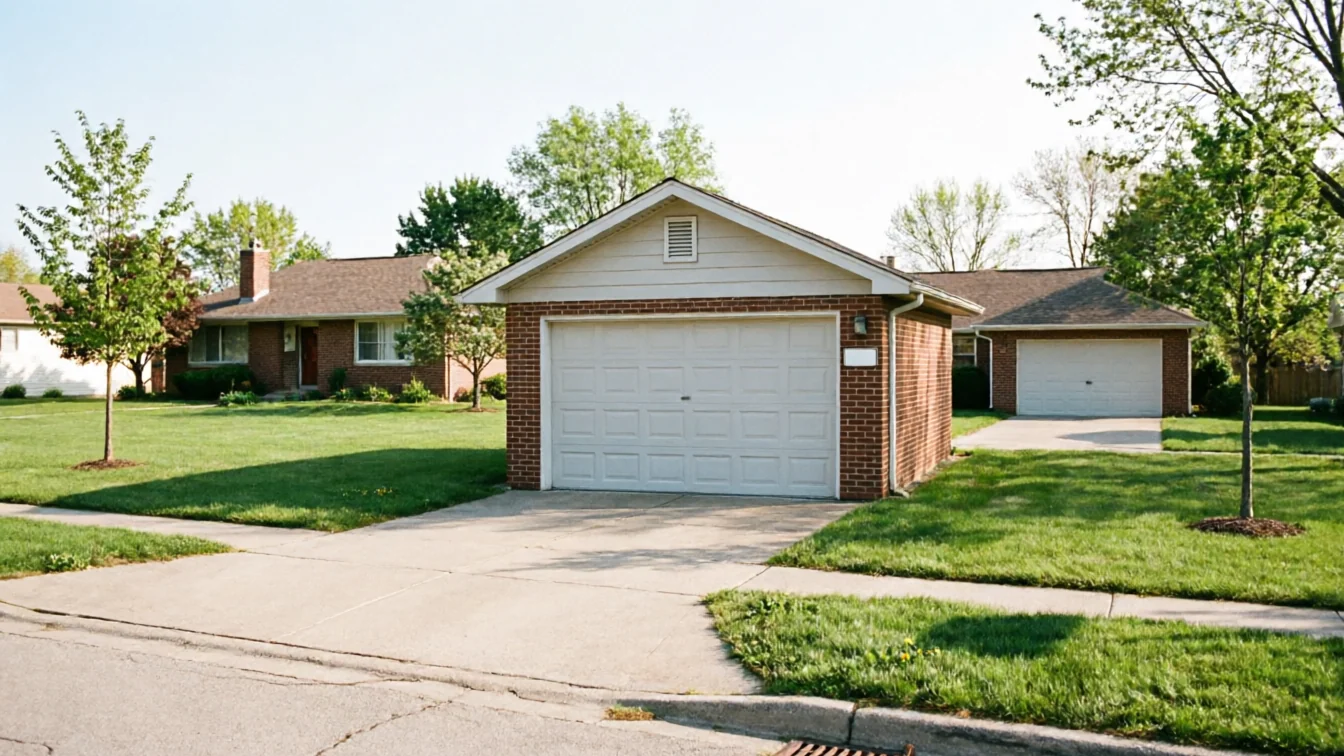
How Elk Grove Village's 1960s-70s housing stock and cold winters affect detached vs attached garage doors, and what to check before calling anyone.
Read moreReady when you are
Elk Grove Village Garage Door Pros repairs and installs garage doors, springs and openers in Elk Grove Village, IL and the surrounding area.