
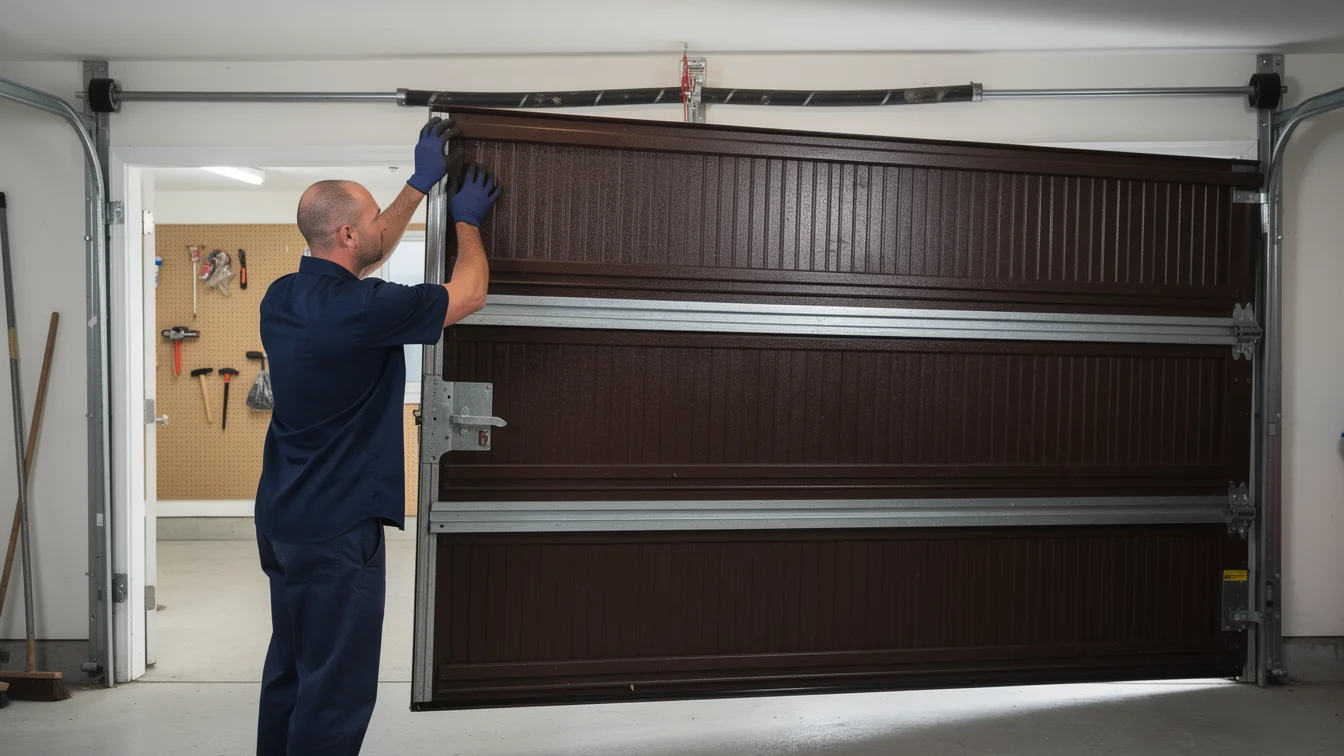
What a Technician Checks First on Your Door
A technician's first-look checklist for Elk Grove Village garage doors, tied to the area's 1960s-70s housing stock and cold-climate wear on springs and track.
Read moreA look at why weather seals and draughts show up on Elk Grove Village garage doors, tied to the area's 1938-2001 housing stock and cold winters.
Local detail
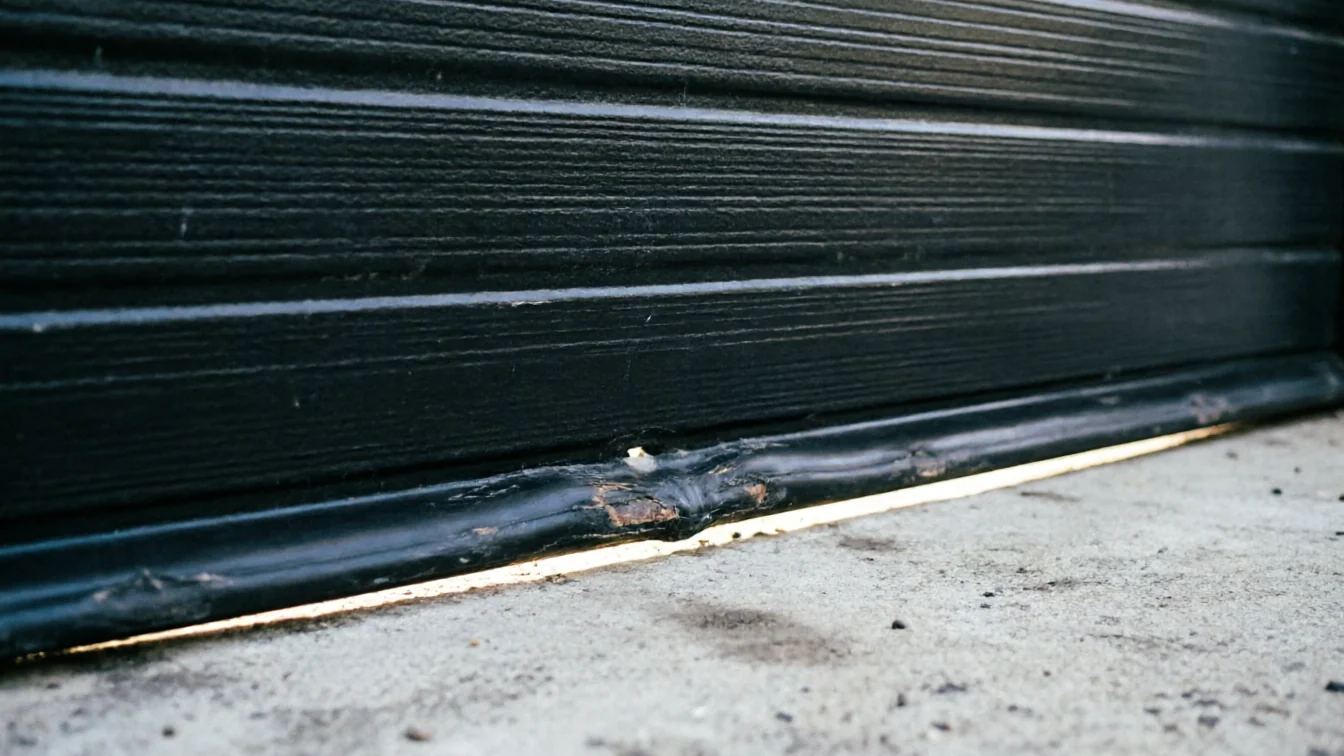
Start at the bottom. Most houses in this part of Elk Grove Village went up when vinyl bottom seals were a simple U-channel nailed or screwed into a wood retainer, not the rigid track you see on newer doors. Close the door and look along the slab from inside the garage - if you can see daylight at the corners or feel air moving across your ankles, the seal has hardened or pulled away from the channel.
Next, check the stop molding where the door meets the frame on both sides. On a lot of the 1960s and '70s builds here, that trim is original lumber, and decades of swelling and drying have left gaps you can slide a business card through. Run your hand along the weatherstrip at the top too - foam strips from that era crumble before they visibly fail.
If your opener has a photo-eye, check it isn't catching a draft through a gap in the bottom panel near the sensor bracket. A door that closes fully but still whistles usually has a seal problem, not a track or spring problem - and that's the kind of fix a homeowner can often do without calling anyone.
The area
Housing in this service area runs from 1938 through 2001, with the median home built around 1976, and the bulk of the stock across the area's roughly ninety named communities dates to the 1960s and '70s. That matters for weatherstripping specifically: doors and door frames installed in that window were built to a lower standard of sealing than anything made in the last fifteen years. Bottom seals were a single bulb of vinyl, not the double-fin style common now, and side seals were often an afterthought - a strip of foam tacked to the jamb rather than a continuous retainer system.
A household in a home from that era hasn't necessarily replaced the door itself. Steel doors from the '70s and '80s can run another twenty years mechanically fine, which means the seal is often the oldest, most neglected part of an otherwise working system. We see this pattern across the area - a sound door, a dead seal, and an owner who assumed the draft meant something more expensive was wrong.
What we find
This area sits in a cold, moderate climate band, which means the seal isn't dealing with one hard freeze and then mild weather - it's cycling through repeated freeze-thaw swings over a long winter. Vinyl bottom seals contract hard in the cold, and that contraction pulls the material away from the slab edge exactly where you need the seal tightest. Over enough winters, the vinyl loses flex permanently and stays shrunk even once the weather warms.
Foam side and top seals have the opposite problem - they absorb moisture during thaw cycles, then that moisture freezes and splits the cell structure from the inside. You won't always see cracking; you'll just notice the strip has gone flat and spongy and stopped making contact with the frame. Either way, the failure mode here isn't a single bad storm, it's the repeated cycling a cold-moderate winter puts a door through every year it's up. That's the honest reason seals in this area tend to fail gradually instead of all at once - which also means most owners don't notice until the draft is already bad.
How we work
A draft at the bottom of the door is rarely urgent, and we won't tell you it is. If the seal is cracked or shrunk but the door still opens, closes, and seats flush, you can usually leave it through a season without doing damage - you're losing some heat and maybe some comfort in the garage, not risking the door itself.
Where it stops being a minor thing is if the gap lets enough moisture or debris under the bottom panel to rust the steel or jam a roller, or if a rodent problem starts because the seal no longer sits tight to the slab. Replacing a bottom seal is a straightforward, inexpensive repair on its own; it only becomes worth calling someone about once it's paired with something else - a bent track, a panel that's started to rust from the inside, or a door that's stopped sitting square in the frame. We'd rather tell you to swap a $20 seal yourself than sell you a service call for a problem that isn't one yet.
Questions
Almost always it's the weatherstripping, not the door itself. In homes built around the area's median year of 1976, the bottom seal and side seals were basic vinyl and foam, and years of cold-weather cycling shrink or crack that material. The door can seat properly and still leak air if the seal has lost its shape.
There's no fixed number we'll quote you, since it depends on sun exposure and how much the door gets used. What we can say is the cold-moderate winters here cycle seals hard through freeze and thaw, so vinyl bottom seals from the '60s-'70s housing stock are usually well past useful life by the time an owner notices the draft.
Often, yes. A hardened bottom seal or crumbling foam side strip is a basic swap most owners can do with a utility knife and a new seal from a hardware store. Where we'd get involved is if the frame itself has warped or the stop molding has rotted, since that changes the fix from a seal job to carpentry.
Recommendation
More garage door guides for Elk Grove Village homeowners.
A technician's first-look checklist for Elk Grove Village garage doors, tied to the area's 1960s-70s housing stock and cold-climate wear on springs and track.
Read more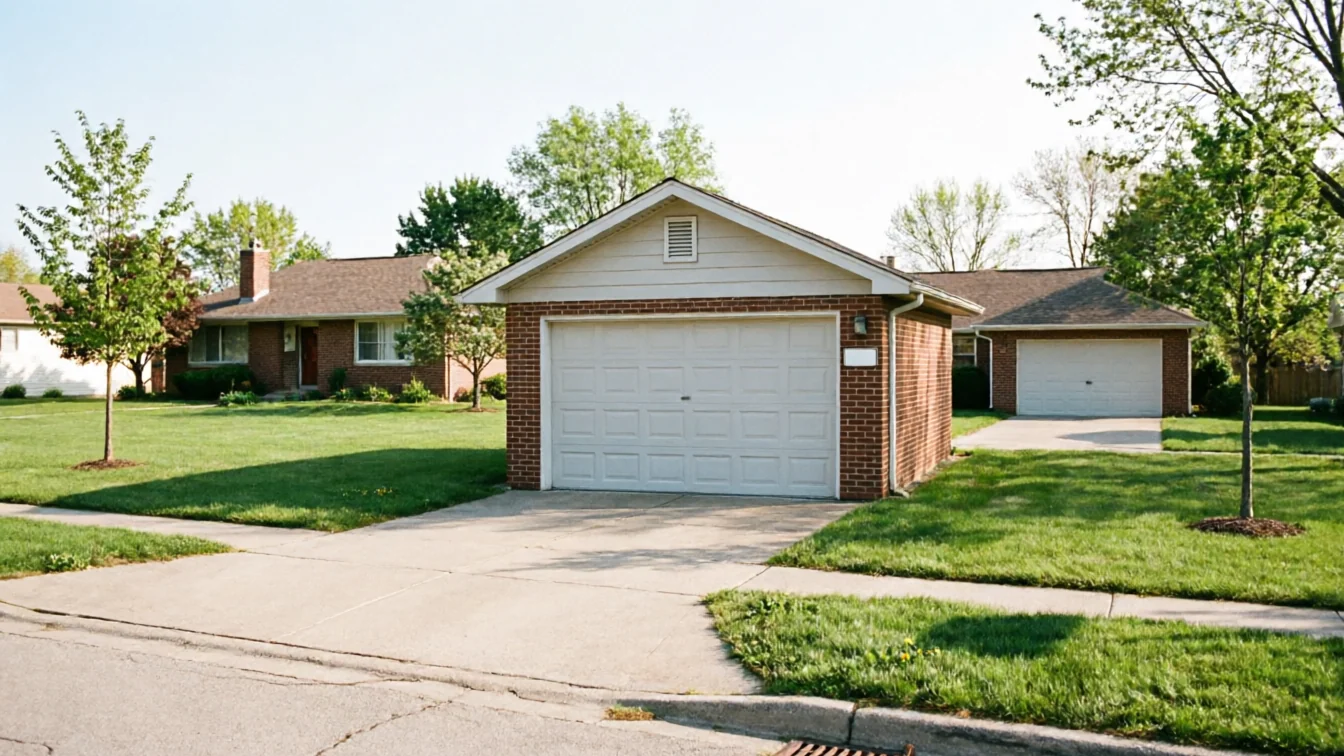
How Elk Grove Village's 1960s-70s housing stock and cold winters affect detached vs attached garage doors, and what to check before calling anyone.
Read more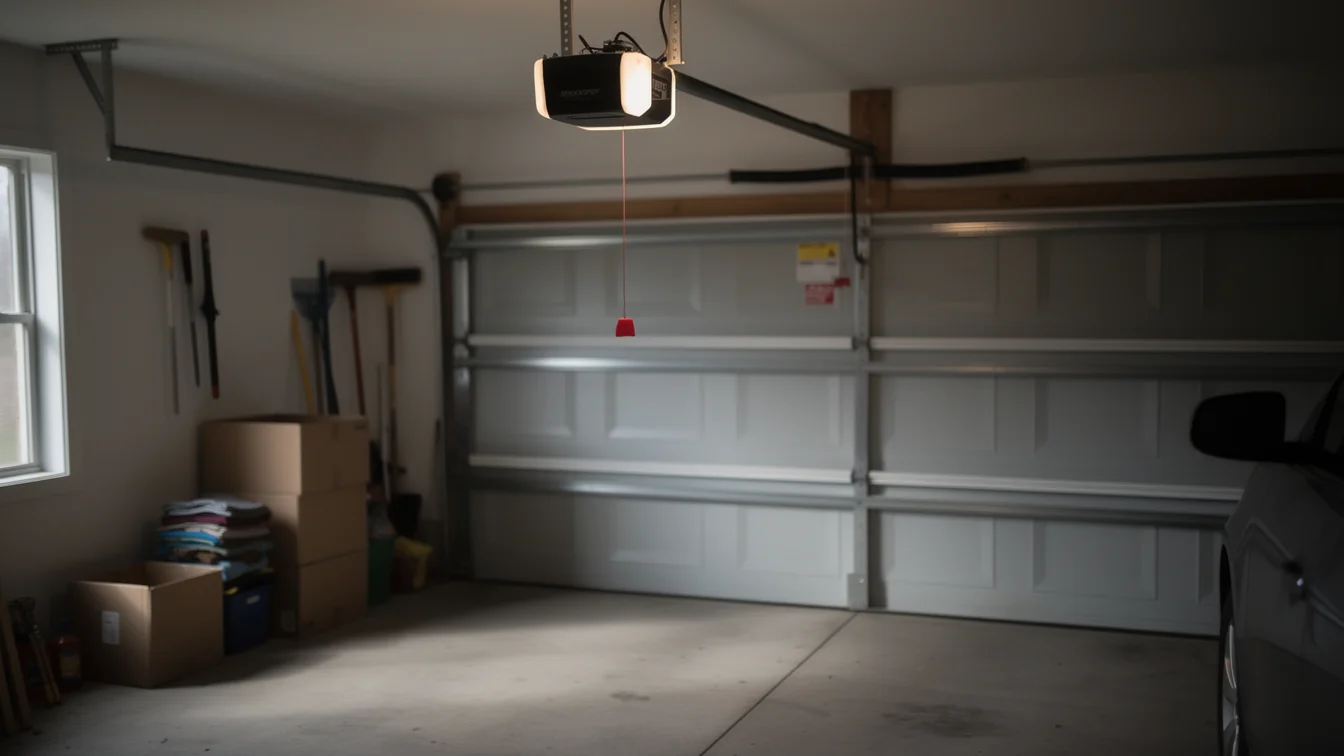
How Elk Grove Village's older housing stock and cold winters affect garage door openers during power cuts, and what's worth checking before you call for a repair.
Read moreReady when you are
Elk Grove Village Garage Door Pros repairs and installs garage doors, springs and openers in Elk Grove Village, IL and the surrounding area.