Why This Fails Locally
Across the service area we cover out of Elk Grove Village, the median house went up around 1976, with stock stretching back to 1938. Geneva runs newer - median build year is 1986. That decade matters more than it sounds like it should. Doors installed in the mid-80s almost never came with the bare steel wheel-and-track rollers you'd find on a 1960s or 70s build. They shipped with early nylon rollers on steel stems, sealed or semi-sealed, riding in galvanized track that was a step up from what came before.
That hardware doesn't fail the same way. The steel-wheel setups on older houses grind and seize; the nylon rollers on Geneva's newer doors crack, chip, or go egg-shaped at the wheel before the stem itself gives out. You hear it as a rattling thump on the way up rather than a grinding scrape. With about 8,199 households in this stretch and a median income of $136,621 - well above the service area's $105,461 - more of these doors have also seen at least one prior opener swap, which changes the load the rollers take on every open and close cycle.
Cold winters across the region are hard on nylon regardless of install year; the rollers contract and the plastic gets brittle right when you're opening the door most. On a 1986-era door that's now pushing forty years old, failure often shows up right as the cold sets in.
How We Fix It
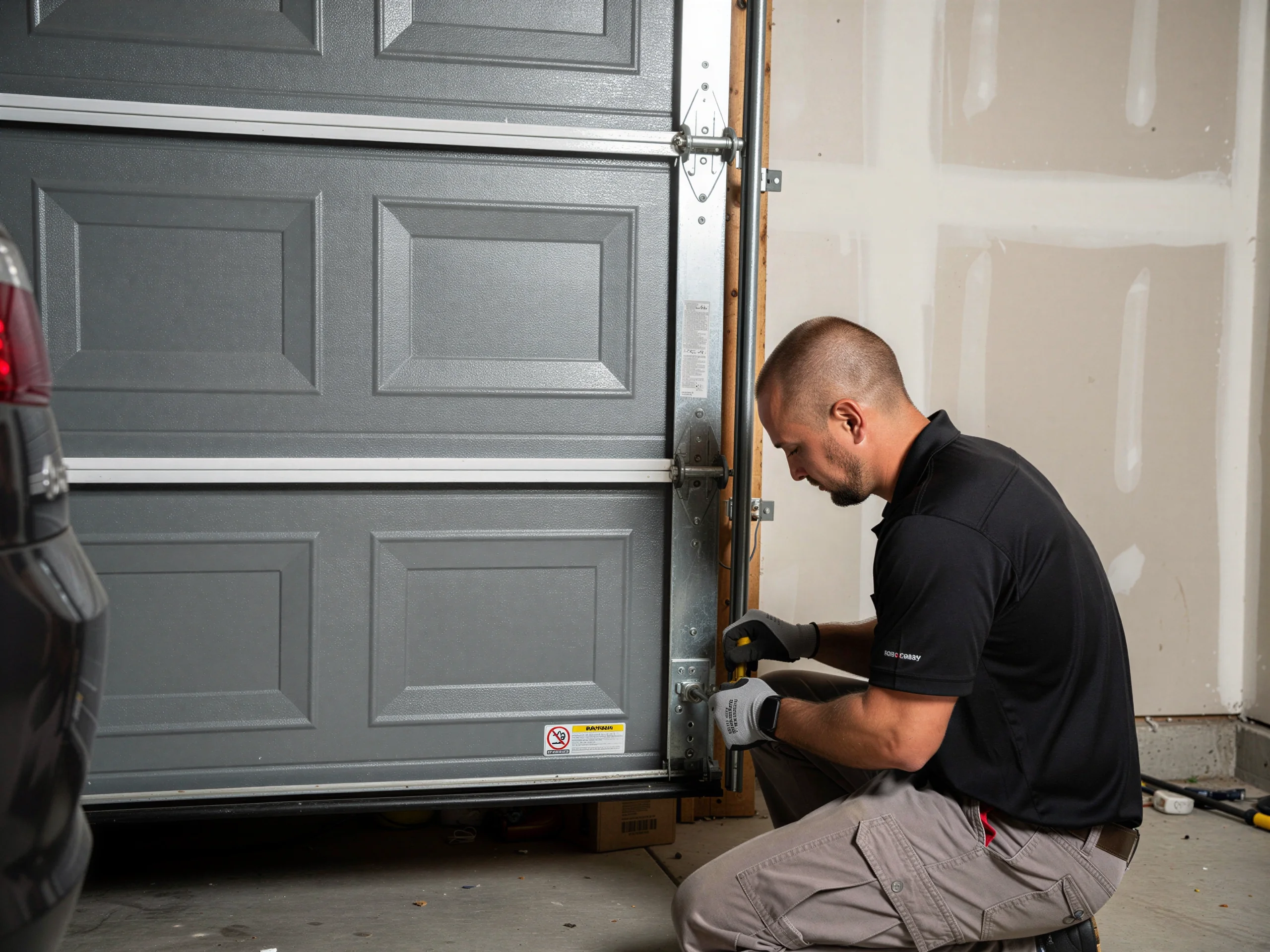
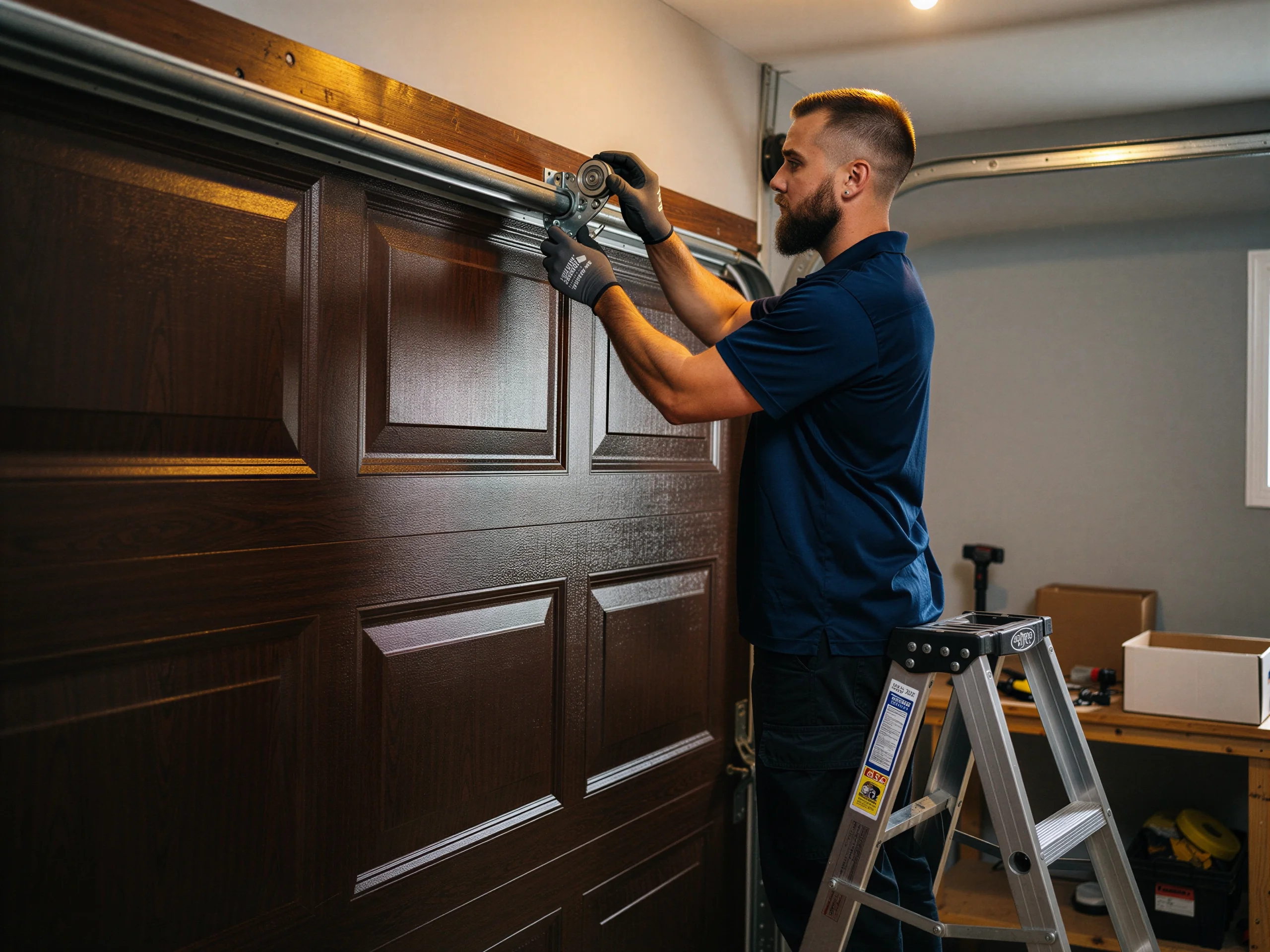
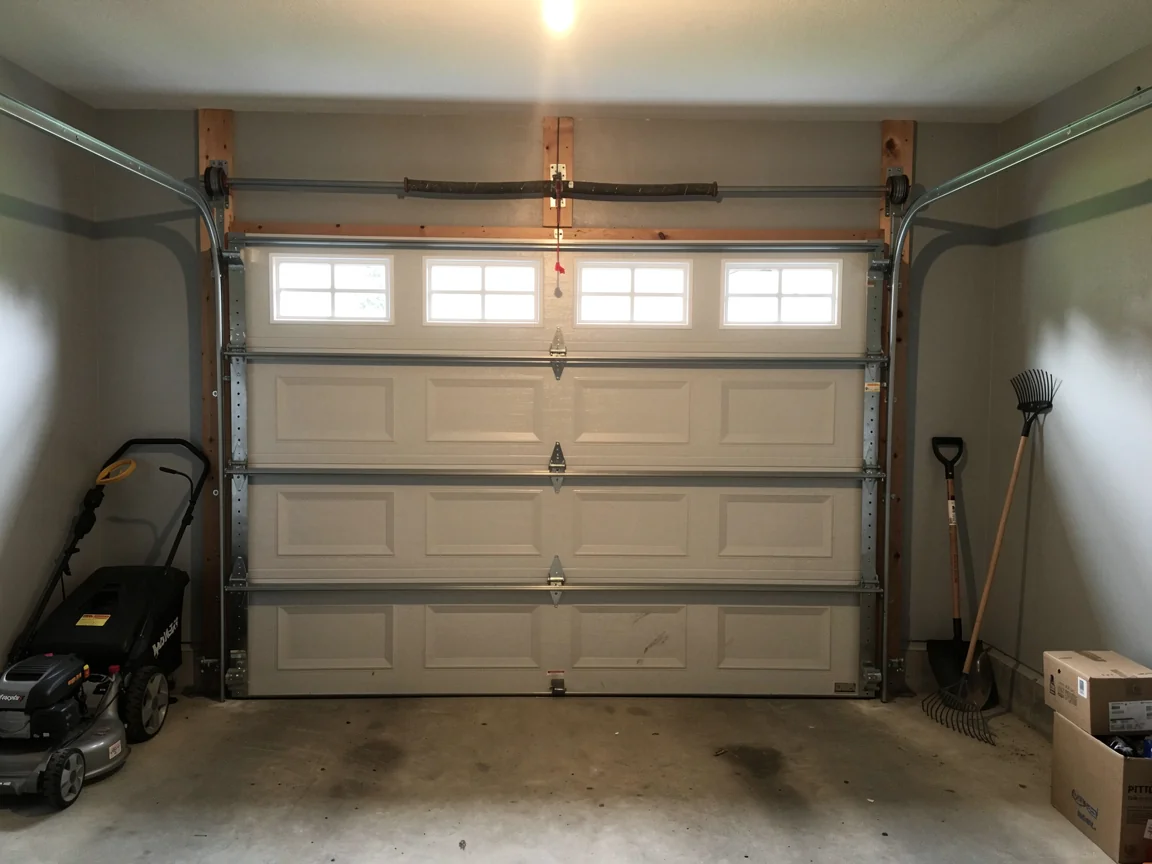
We pull the door down to rest on the floor or secure it with clamps, then work one roller at a time so the door never hangs open on a partial track.
Stem and wheel pairing
On the newer nylon-roller doors common in Geneva, we're usually swapping stem and wheel together rather than just the wheel - the stems on that generation of hardware wear at the bearing point and reusing them defeats the point of the job. We check the track alignment at the same time.
Out-of-plumb riding
A door built in the mid-80s with worn rollers has often been riding slightly out of plumb for a while, and if we don't true up the track, the new rollers wear the same way inside a year. We run the door through a full cycle by hand before we touch the opener, listening for anything that still catches.
Bent bracket replacement
If the stem is bent or the roller bracket itself has pulled away from the panel, we replace that bracket rather than force a new roller into a bent slot. That's a different line item, and we tell you before we do it, not after.
Where This Job Goes Sideways
The job gets harder when a homeowner has already tried a box-store roller kit on one or two wheels and left the rest. Mixed rollers - new nylon next to old steel, or new nylon next to a cracked nylon roller that's still technically turning - put uneven load on the track and the door starts walking sideways on the way up.
Full-set replacement cost
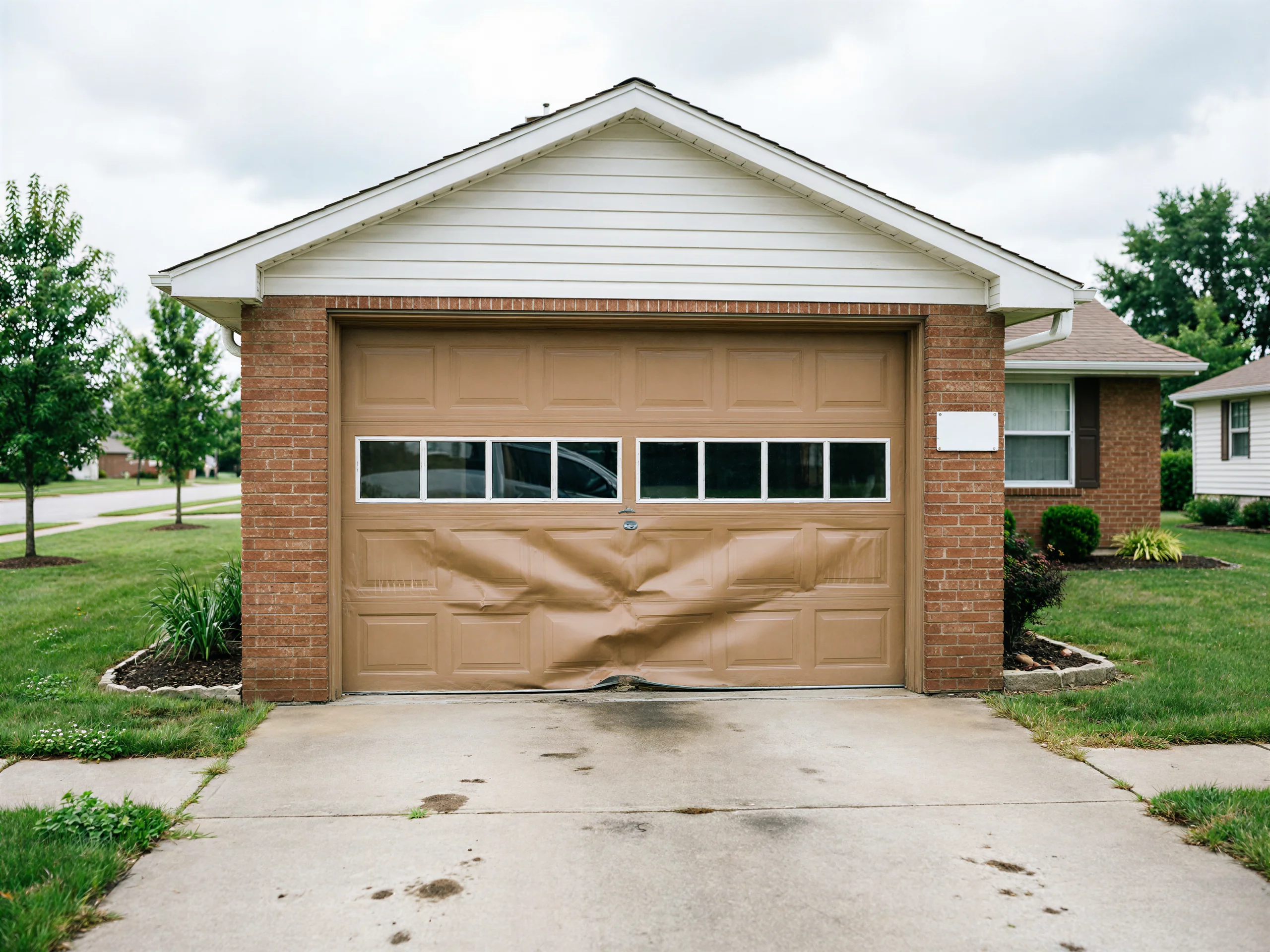
We end up replacing all of them anyway, which costs more than doing the full set the first time. It also goes sideways on doors where the track itself has been knocked out of alignment, usually from a car bumping it or a panel getting dented.
Fix track first
New rollers in a bent track wear out again fast, sometimes within months. At that point the honest call is to fix the track first, even though it adds a step most people didn't budget for.
Opener-driven roller damage
We don't replace rollers on a door where the opener is clearly the real problem - a motor straining because the springs are off balance will chew through rollers no matter how good they are. We'll say so rather than sell a roller job that won't hold.
Doing It Yourself
Swapping a single roller on a door that's resting flat on the ground, with the opener disconnected, is within reach for someone comfortable with a ladder and a socket wrench.
Tension-loaded DIY danger
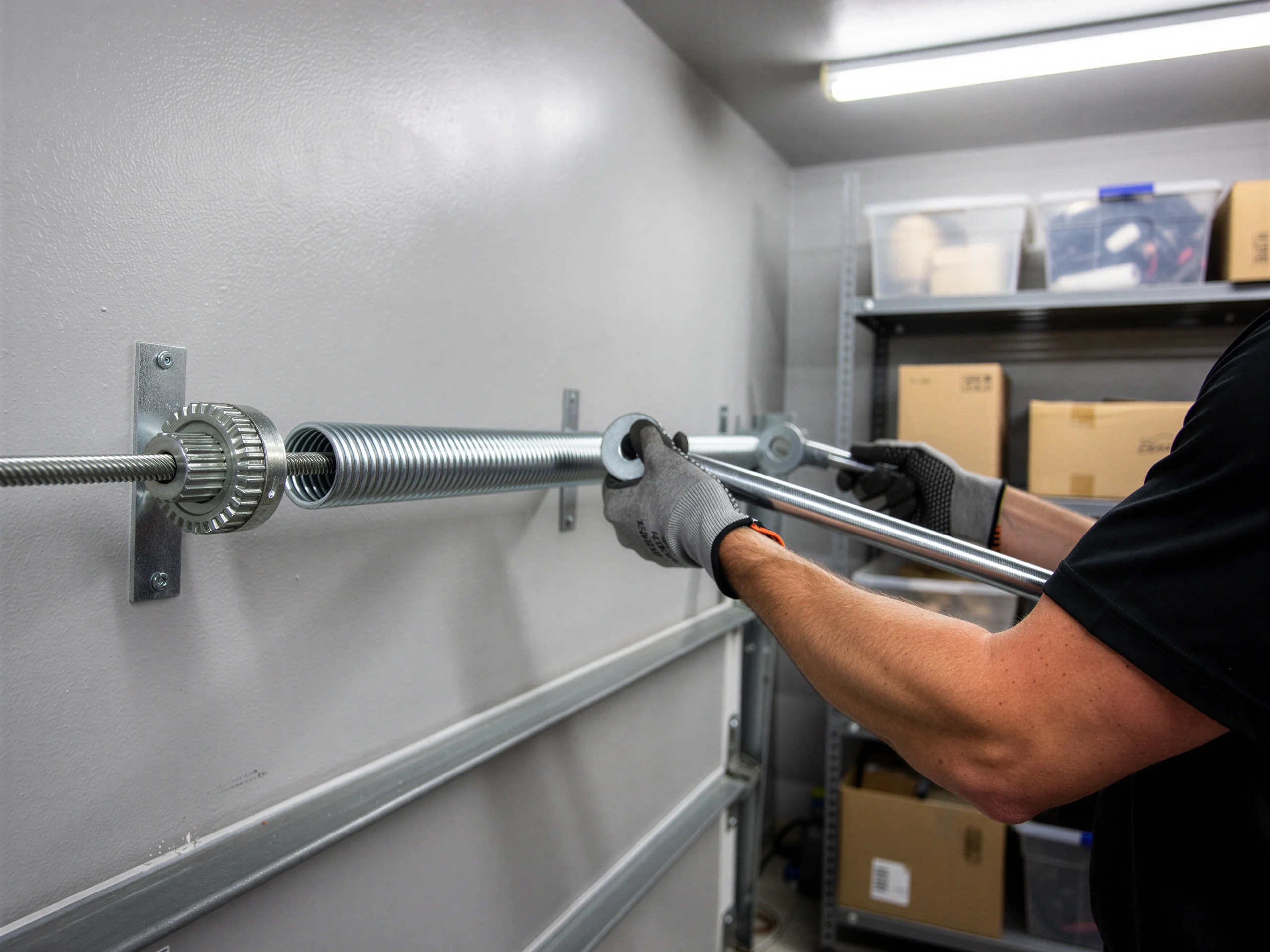
The trouble is doing it on a door that's still under spring tension - torsion and extension springs both store enough force to cause a real injury if a cable slips while you're mid-job.
Single roller swaps
If you're going to try it yourself, do it one roller at a time, never pull more than one out of the track at once, and don't touch the bottom rollers on a door with the cables still under tension.
Sealed nylon stem choice
Buy sealed nylon rollers with steel stems rather than the cheapest kit on the shelf; on a door this age, a weak roller just means another ladder trip in a year. If the door won't sit flat or a cable looks frayed, stop and call rather than push through it.
What It Costs
We don't have a posted price list for this job, because the real cost swings on how many rollers need replacing, whether the stems and brackets are coming with them, and whether the track needs truing up at the same time.
Small-job scope
A single-roller swap on an otherwise sound door is a small job. A full 10-roller set with bent stems and a bracket or two is a longer one.
Route-booked Geneva jobs
What we can tell you is that because this call comes from our Elk Grove Village shop, about 19 miles out, we book Geneva roller jobs on a route rather than as a same-day drop-in - worth knowing if you're trying to plan around it.
Firm in-person estimates
We'll give you a firm number once we've looked at the door in person, not a phone estimate, because the stem condition and track alignment aren't things we can judge sight unseen.
Talk to a local pro
Garage door service in Elk Grove Village?
Same-day service with honest, upfront quotes.