Why This Fails Locally
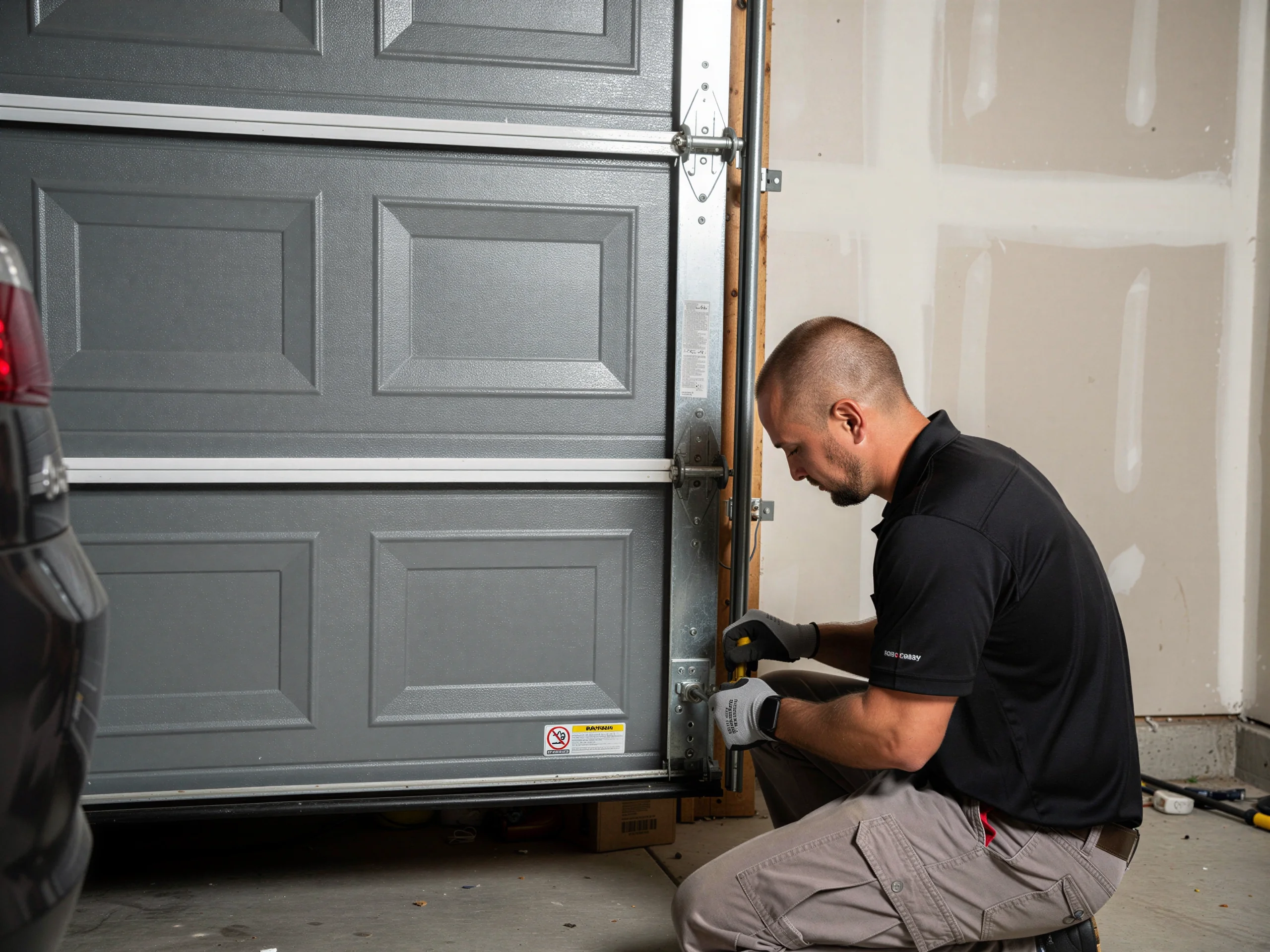
Most houses in Geneva went up around 1986, and a lot of what came with that build has never been swapped out. That's a door old enough that the original torsion spring has cycled well past its rated life, and an opener old enough to still be running a chain drive with a logic board nobody stocks parts for anymore. If your house in Geneva still has its first garage door, the spring on it is overdue, full stop - most springs are rated for 10,000 cycles, which a daily-use door burns through in 7 to 9 years regardless of brand.
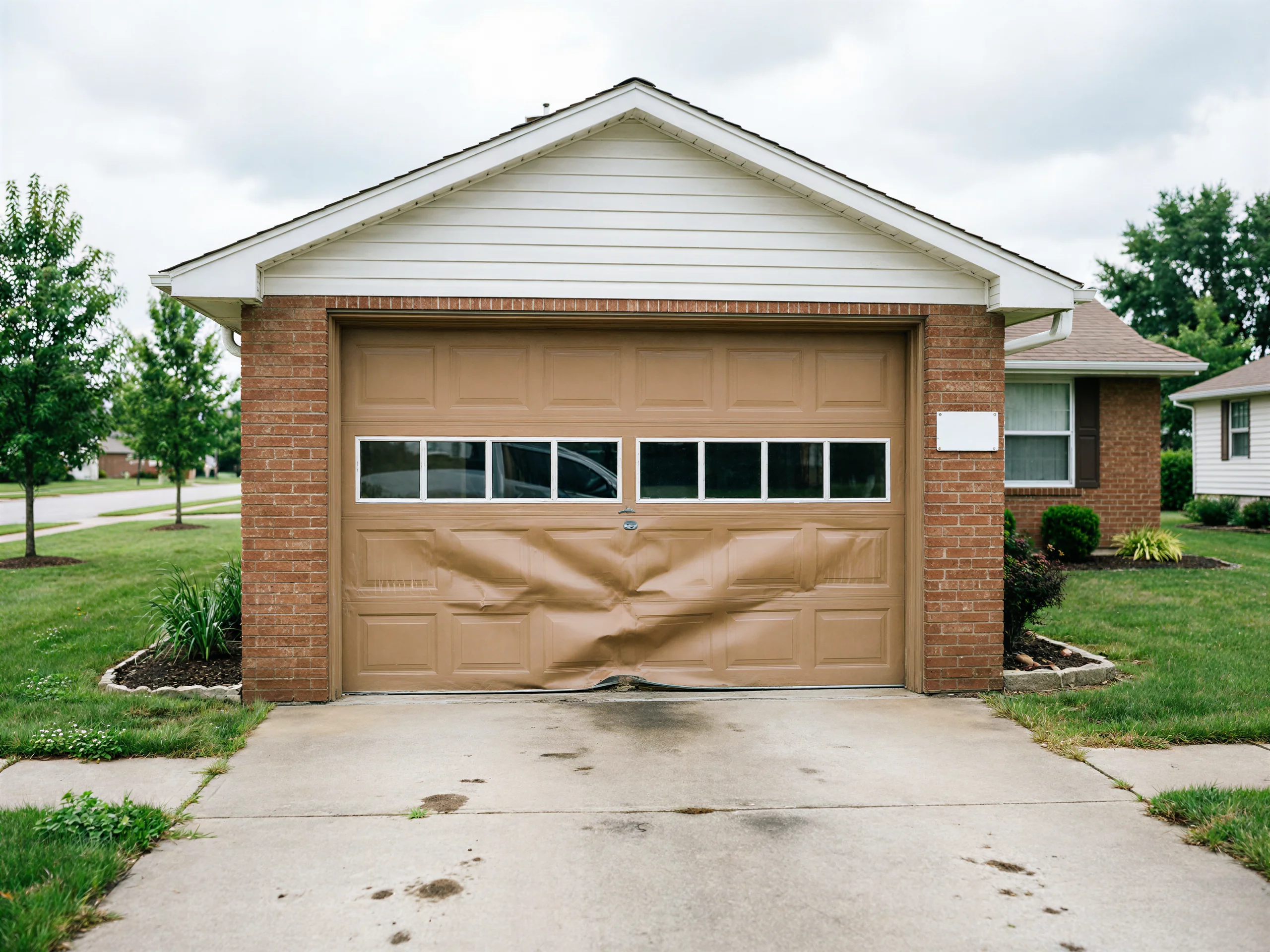
The failure mode we see out here isn't storm damage or dented panels from hail. It's fatigue. A spring that's held up fine for decades lets go on an ordinary Tuesday, usually in cold weather because steel contracts and the coil takes more stress per cycle. With roughly 8,199 households in Geneva, a good share of them are sitting on the same mid-80s hardware, which means the same failure is coming for a lot of garages that haven't had a problem yet.
We come out from Elk Grove Village for these calls, about 19 miles each way, so we're not a walk-in shop here - we're a truck that shows up with the parts for exactly this kind of door.
How We Fix It
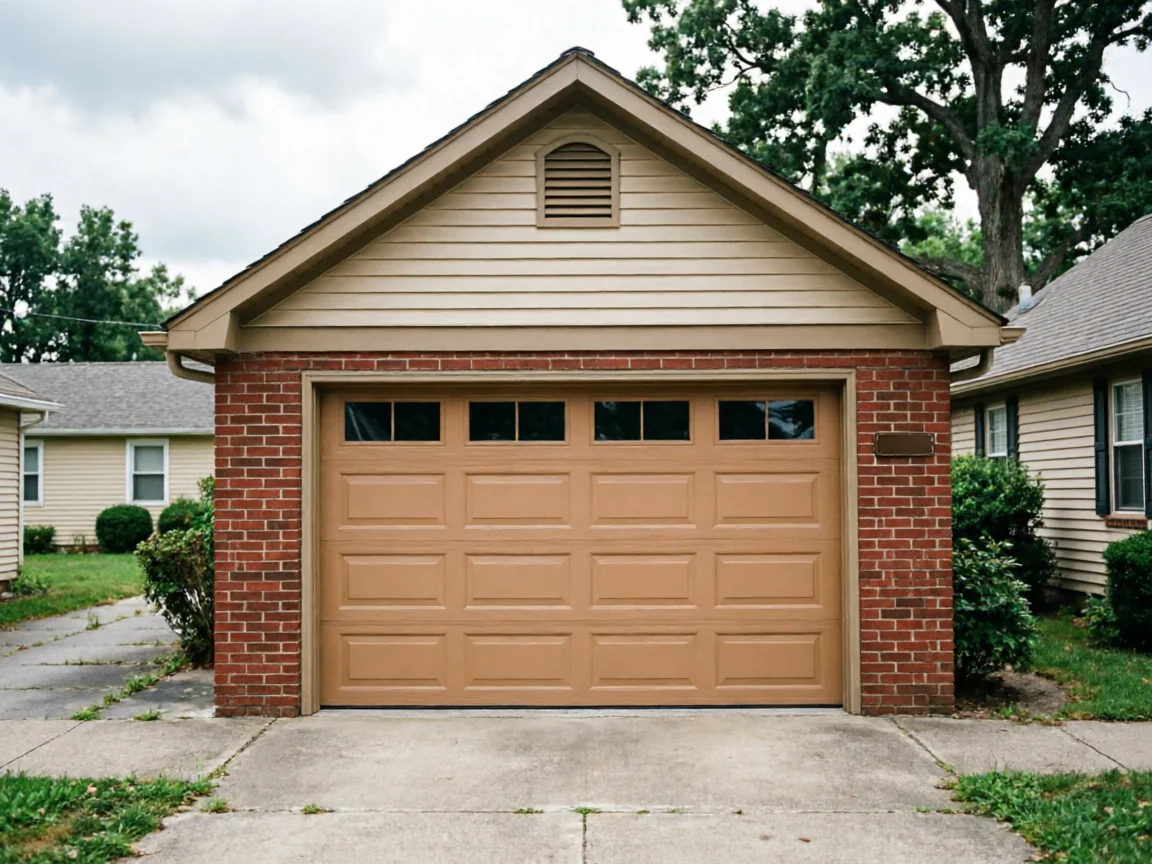
On a door this old, we start by checking whether the track and hinges are even still square - 1980s steel doors flex more than current ones, and decades of use can rack the frame enough that a new spring alone won't fix the slam or the grinding.
Matched pair replacement
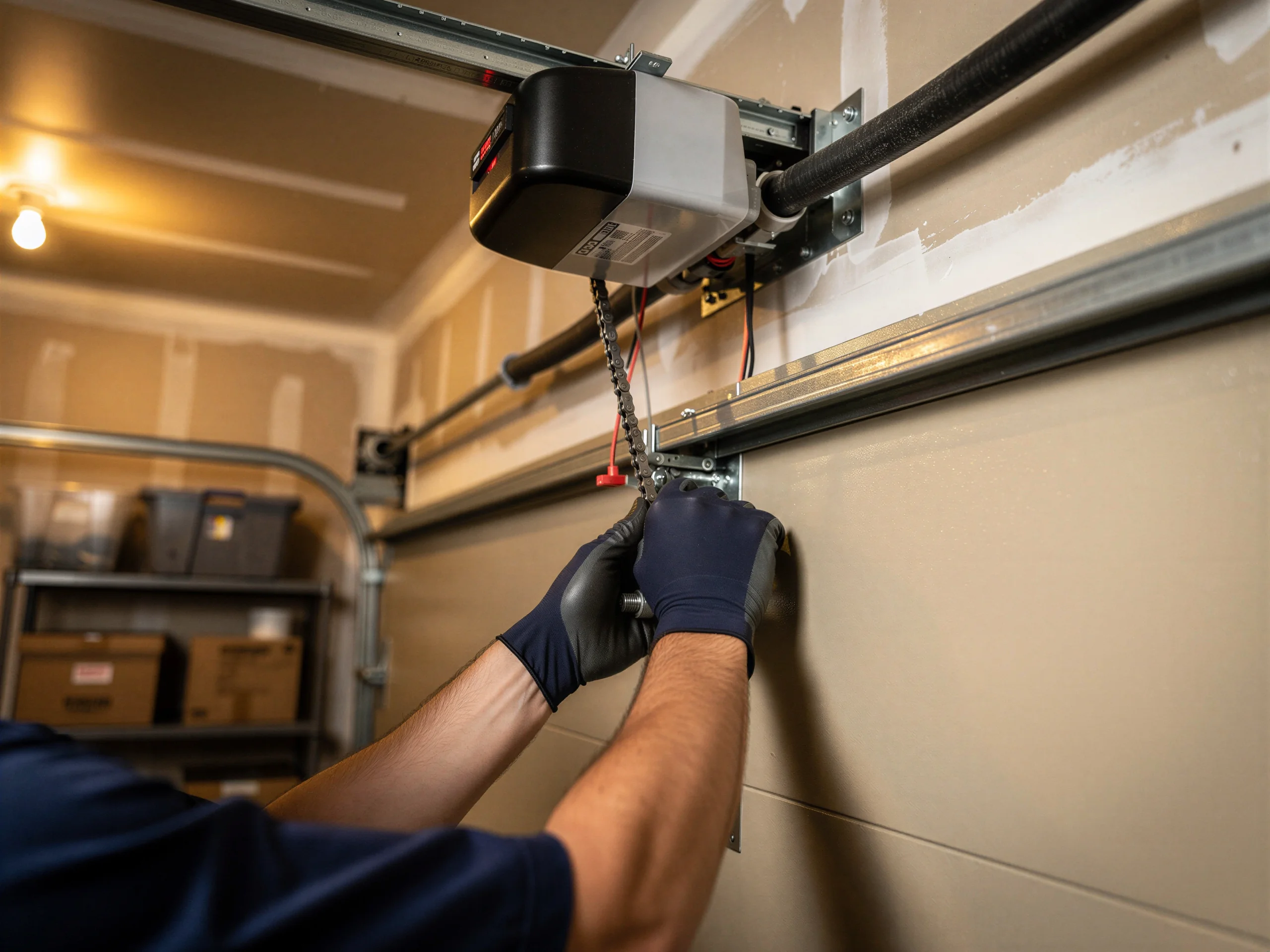
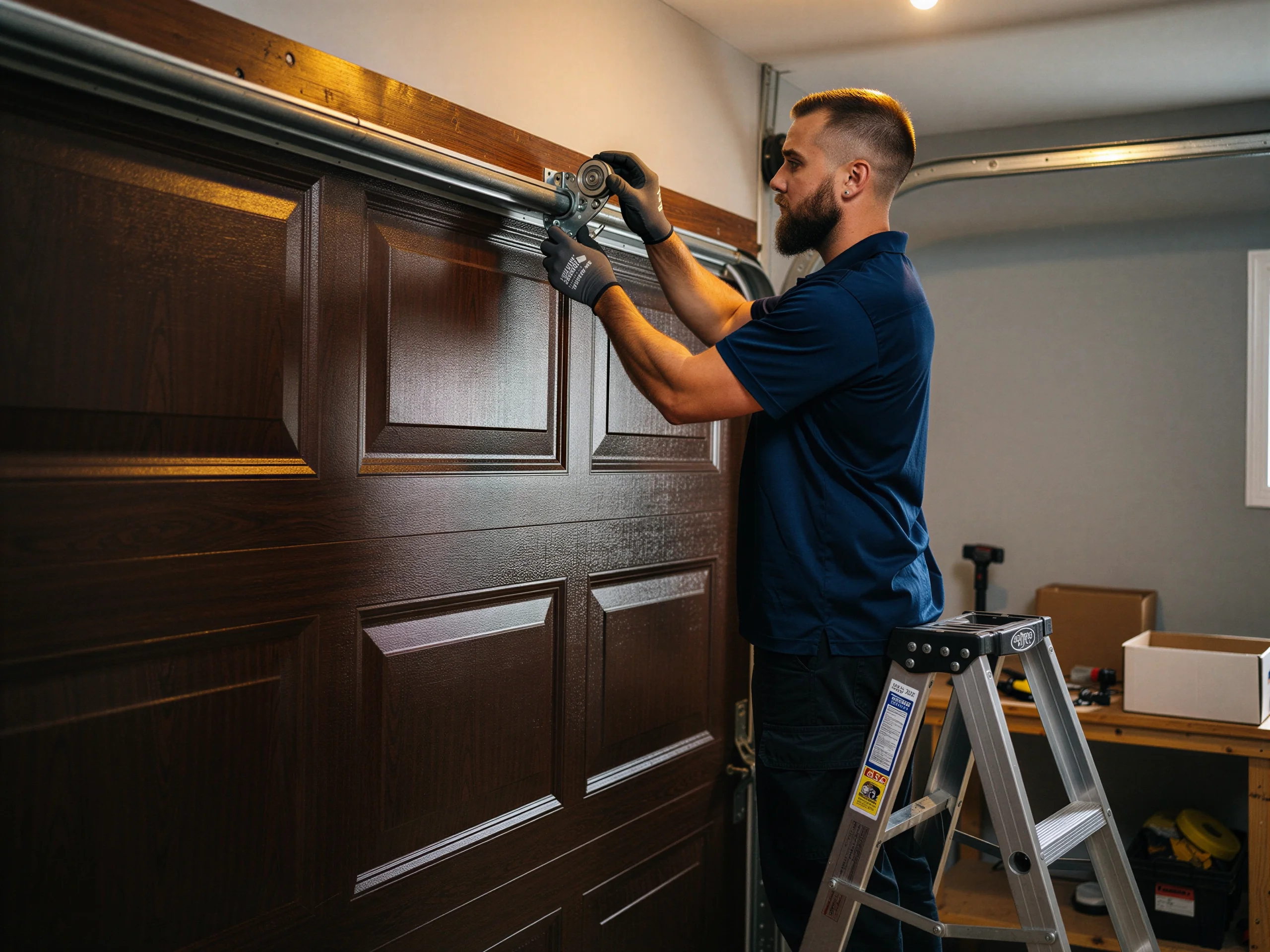
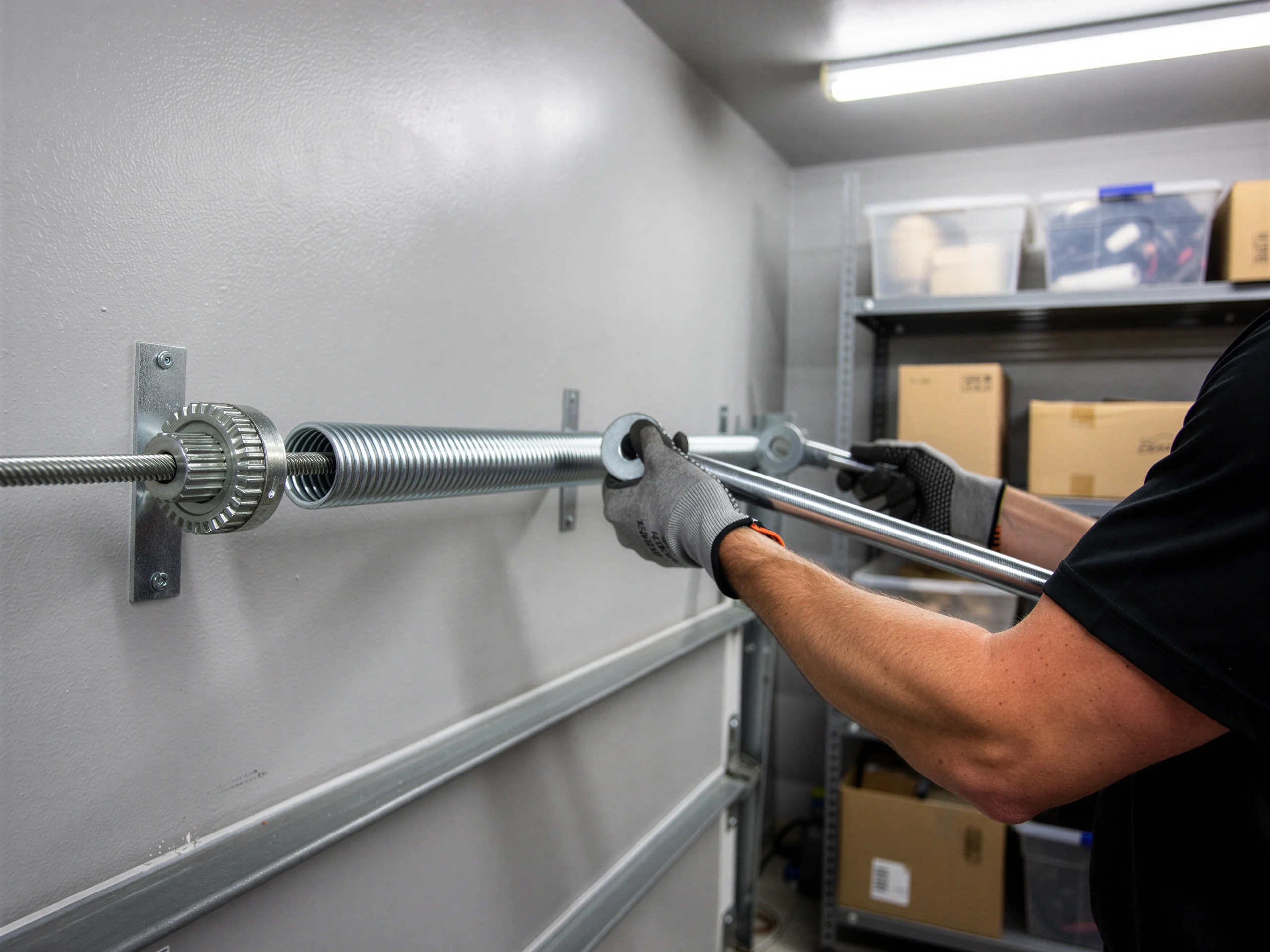
If the hardware is original, we're almost always replacing the torsion spring as a matched pair rather than just the one that broke, because the other one is on the same clock and will fail within months of its twin. For the opener, if it's the original chain-drive unit from around the same build year, we'll tell you straight whether it's worth repairing.
Aging circuit boards
Circuit boards from that era are the common failure point, and with 136,621 median income in the area, most owners here choose a new belt-drive opener over chasing parts for a 35-plus-year-old board. We don't push replacement when a repair holds - we push it when the repair costs nearly as much as new and buys you six more months.
Balance testing after work
We test balance after any spring work, not just function. A door that opens but isn't balanced puts the same strain back on the new spring and the opener's drive gear, which is how a repair you just paid for fails again in a year.
Where This Job Goes Sideways
The thing that catches owners off guard in Geneva is the extension spring setup some of these 1986-era doors still have instead of torsion springs.
Missing safety cables
Extension springs sit along the horizontal track rather than above the door, and they're a different animal to service - the safety cables that should run through them are often missing or never installed to begin with, which is a real hazard if that spring ever lets go under tension.
Partial part replacements
Another spot it goes sideways: owners replace a broken spring themselves or get a quick fix, but the drum or cable underneath is also original and about to go. We've seen the parts get replaced one at a time over a year instead of together, which means three separate calls instead of one.
Checking remaining originals
On a door this old, if one part from the build year has failed, we check the rest of the originals before we close out the job, because they're all the same age.
Doing It Yourself
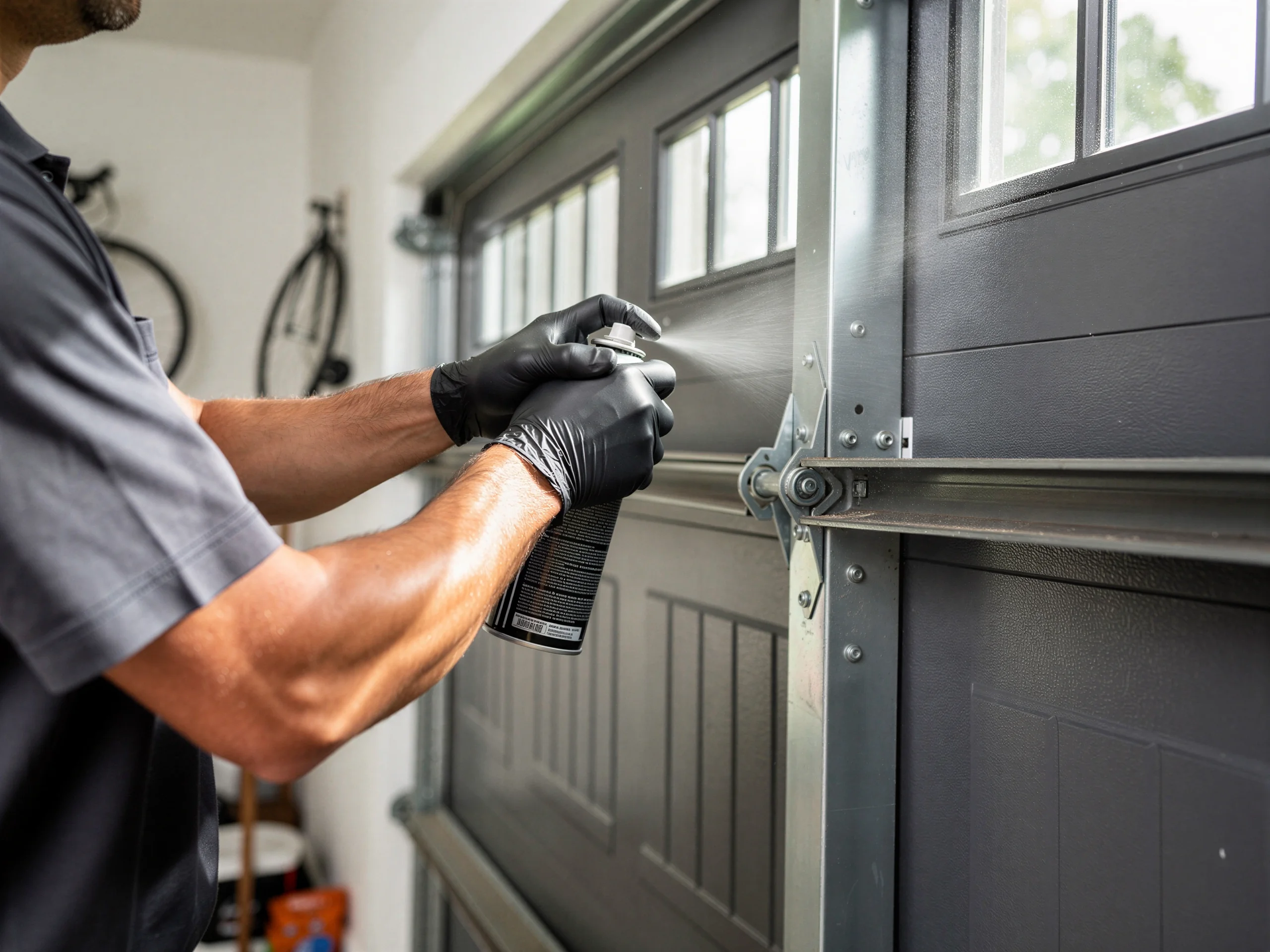
Lubricating hinges, rollers, and the track is something any Geneva homeowner can do themselves, and it genuinely extends the life of hardware that's already pushing 40 years. A can of garage-door-specific lithium grease, twice a year, costs less than one service call.
What you shouldn't touch yourself: the spring, torsion or extension. The spring on an original 1986-era door is already past the point where it fails gently - it's wound under enough tension to cause serious injury, and on an extension-spring setup without safety cables, that risk is higher, not lower. We also don't recommend DIY opener board swaps on units this old, since the wiring and safety sensor standards have changed enough since the mid-80s that a mismatched part can disable the auto-reverse safety feature without you knowing it.
What It Costs
We don't have a Geneva-specific price list to quote here, and we're not going to invent one. What we can tell you is that jobs on original 1986-era hardware tend to run higher than a routine spring swap on a newer door, because we're more often replacing a pair of springs plus cables and rollers that are all the same age, rather than one part in isolation. The honest limitation: if your opener board is dead and the model's been out of production for decades, repair sometimes costs close to what a new belt-drive unit runs, and we'll say so rather than patch something that'll need the same fix again next winter.
Talk to a local pro
Garage door service in Elk Grove Village?
Same-day service with honest, upfront quotes.