How It Shows Up
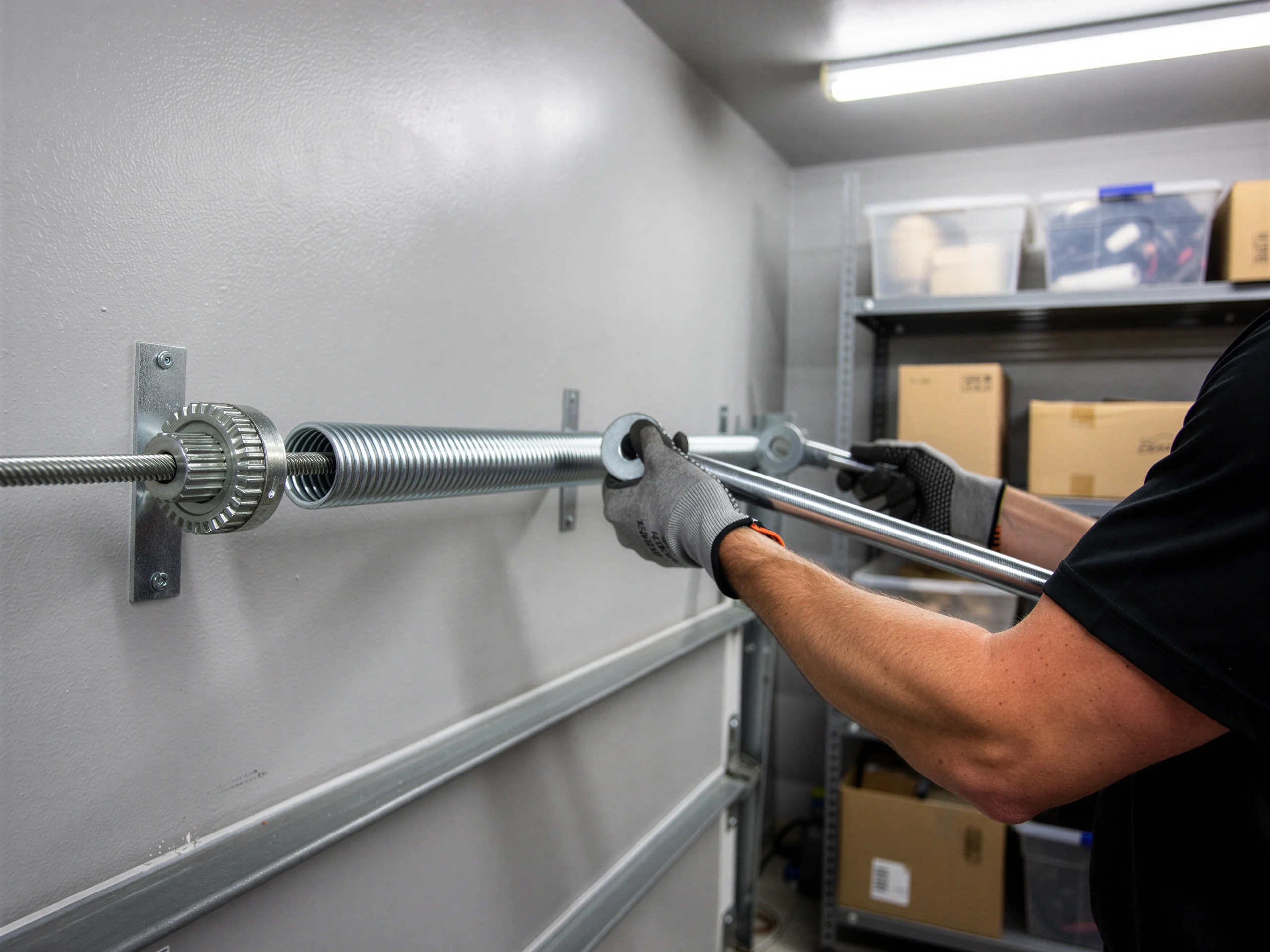
Streamwood's housing stock centers on 1981, which puts a lot of these garage doors a good 40-plus years past their original hardware. Here's the thing about springs specifically: they don't last that long.
Spring replacement count
A torsion spring is rated for somewhere around 10,000 cycles, which on an average household works out to roughly 7-12 years. So the spring on a 1981 build isn't the original one - it's probably the third or fourth.
Original track and brackets
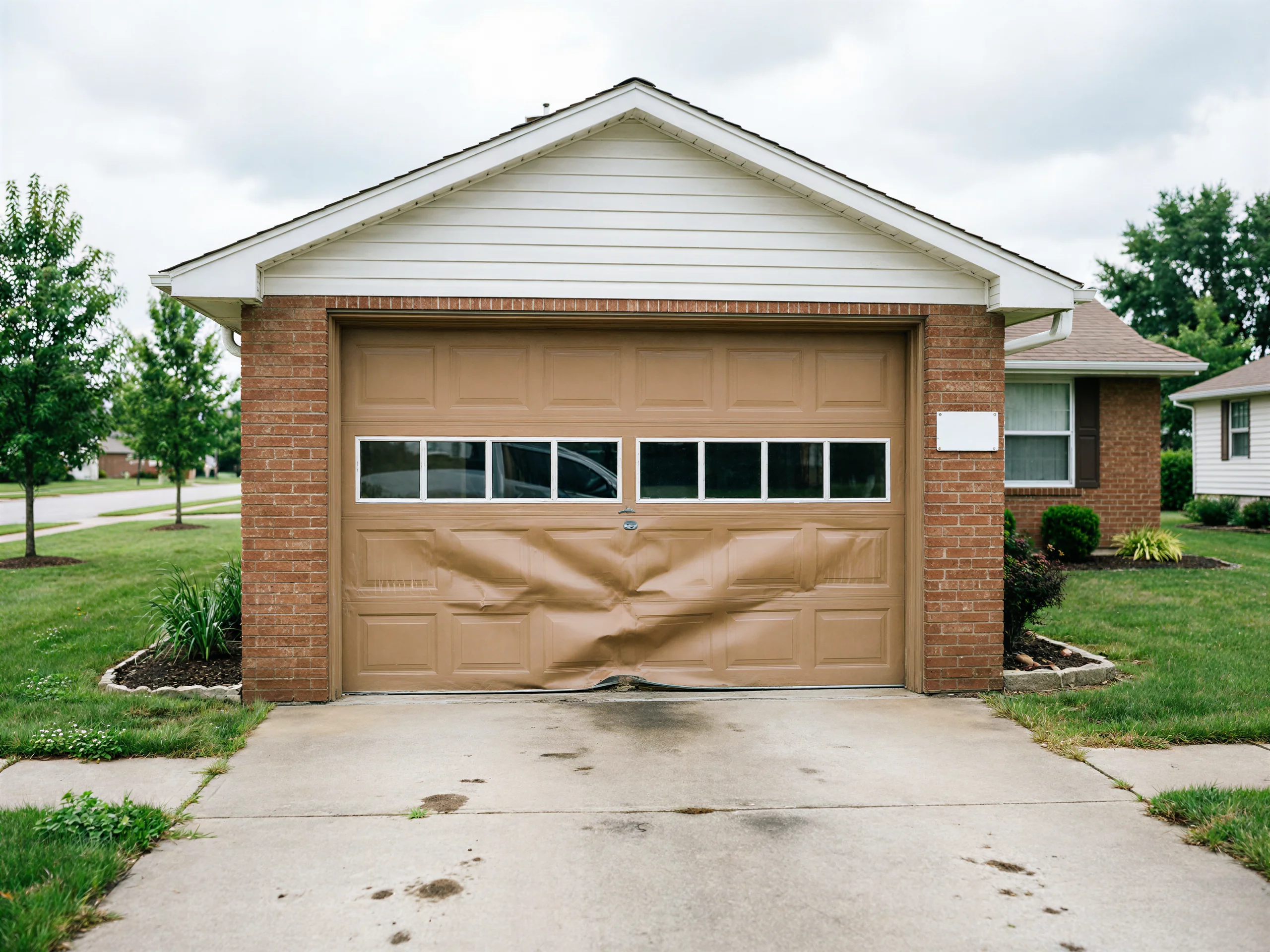
What's more likely still original is the track, the brackets, and sometimes the drum, which is exactly why a spring failure on a house this age can bend a track too if the door drops hard and nobody's home to catch it.
Gunshot-like bang
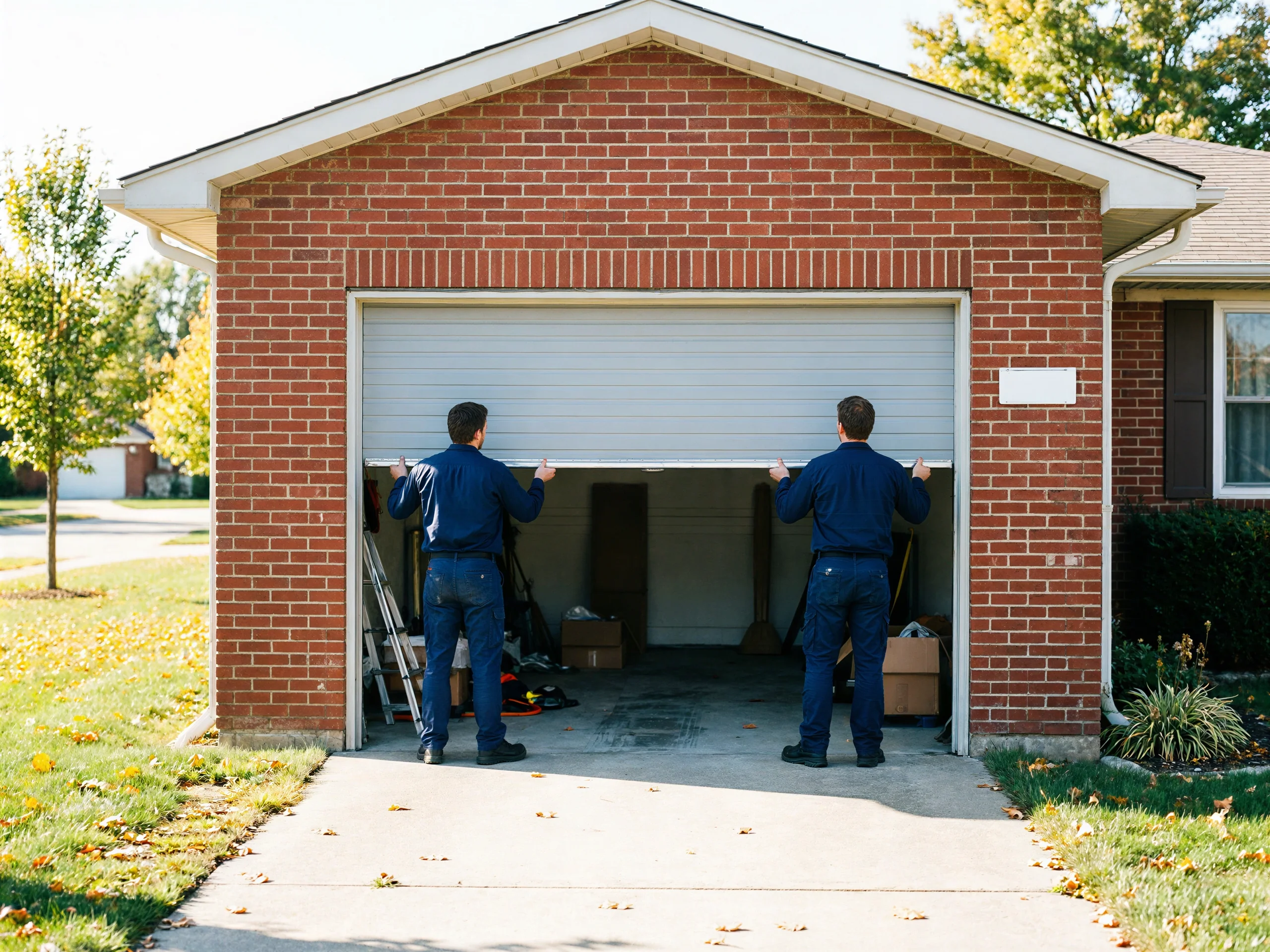
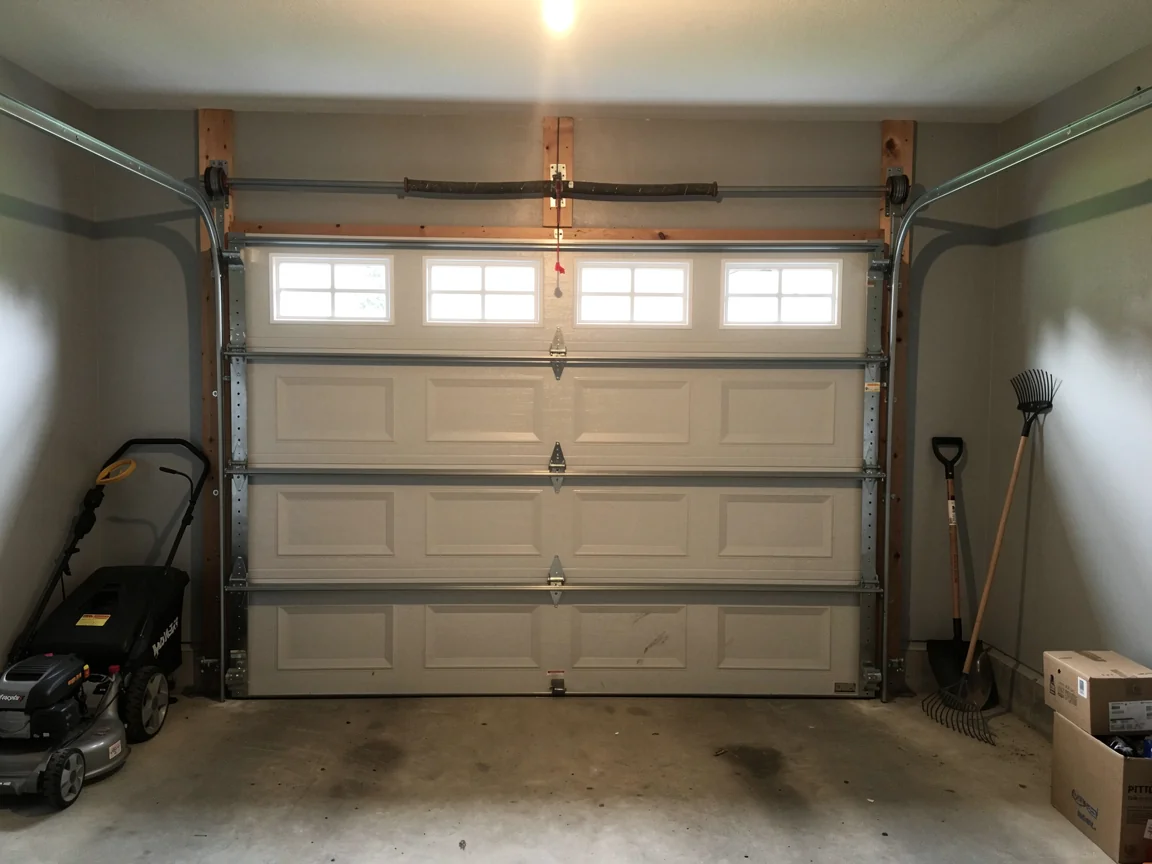
You'll usually hear it before you see it - a bang like a gunshot from the garage, then the door won't budge, or it'll go up a few inches and stop. On a two-car door, one broken spring on a pair means the opener is now trying to lift the whole weight alone, which burns out the opener motor if it runs more than once or twice that way.
What It Costs
We don't publish a flat number here because spring sizing depends on door weight and the exact gauge and length a 1981-era bracket wants - we quote it on sight or over the phone once we know the door. What we can tell you is the income profile in this part of the service area (median household income around $101,049) tracks close to what we see across the wider Elk Grove Village coverage area, and spring jobs here run in line with that - not a premium job, not a discount one. If both springs are original-adjacent in age, meaning they were installed together years back, we'll usually recommend replacing both even if only one broke, since the other is on borrowed cycles too.
What Is on the Truck
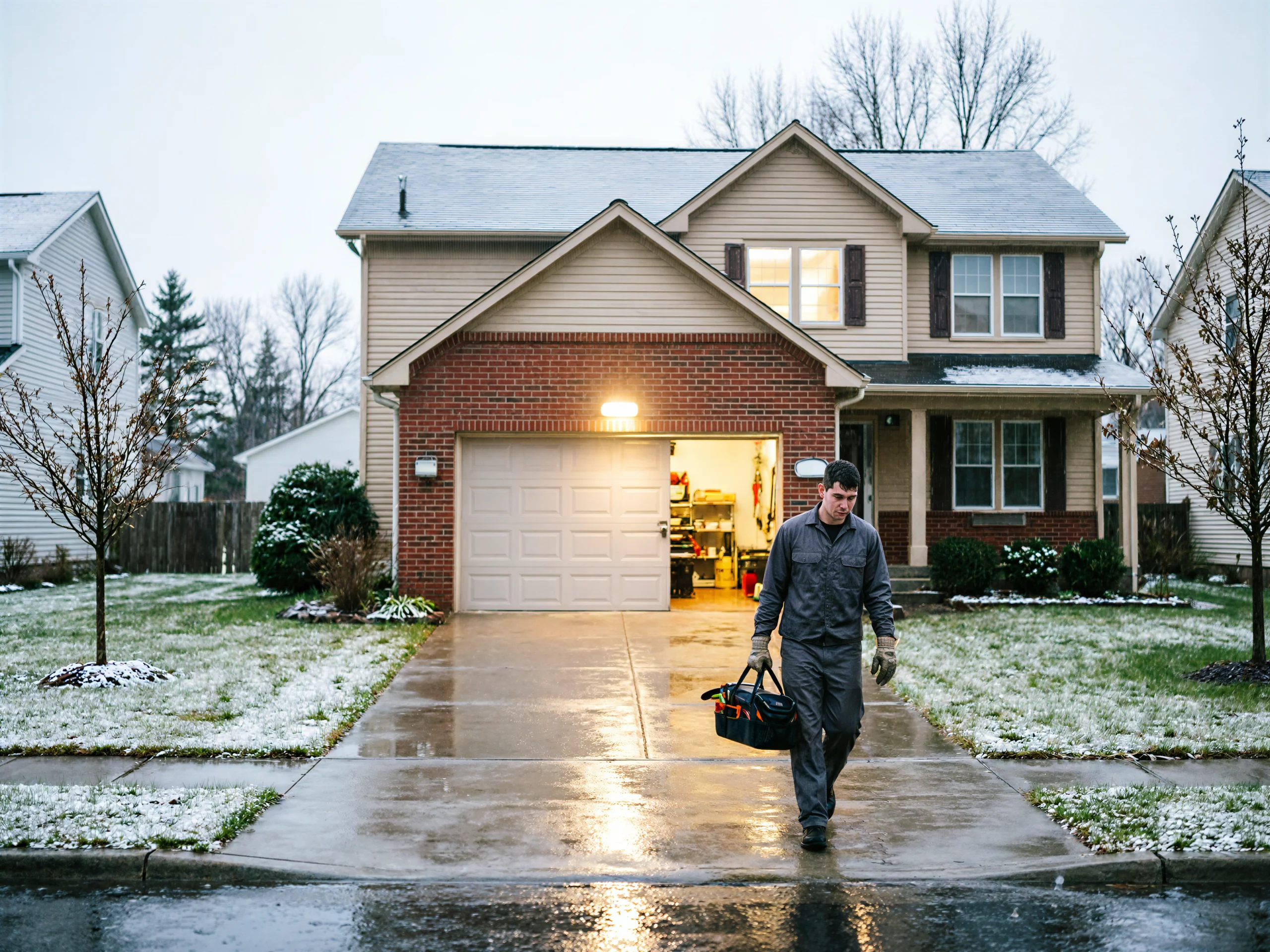
We come out from Elk Grove Village, about 10 miles away, so the truck is stocked for the range of doors we see across that stretch - including the mid-weight steel doors common on houses built through the late 1970s and early 1980s that make up a lot of Streamwood. That means a range of torsion spring sizes and both standard and high-cycle options, plus the cable and drum hardware that tends to go bad at the same time a spring does. One honest limit: if a door takes an odd or discontinued spring size - which happens more on older, non-standard builds - we may not have that exact one on the truck and will need to order it, which can push the job to a second visit.
How We Fix It
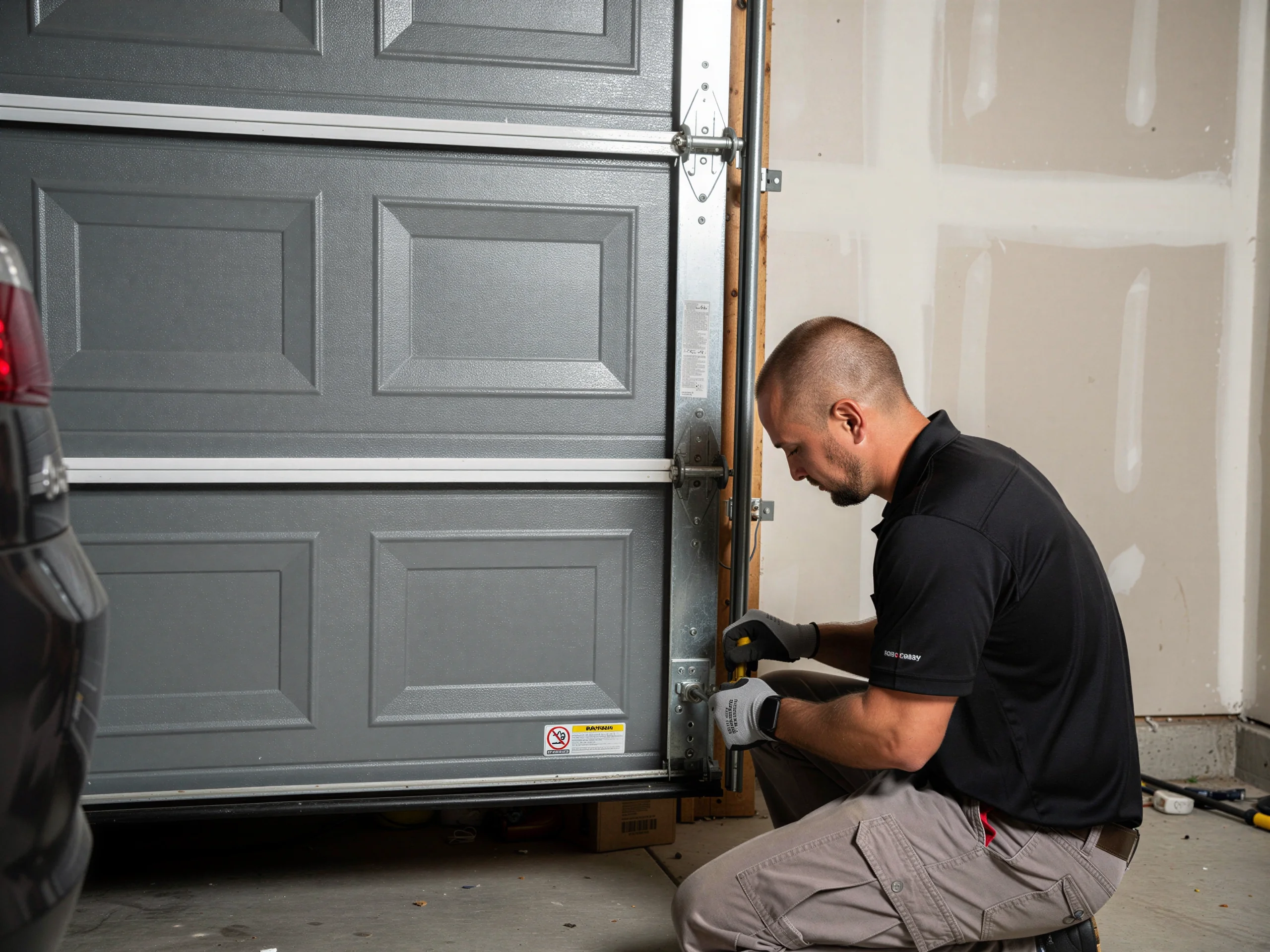
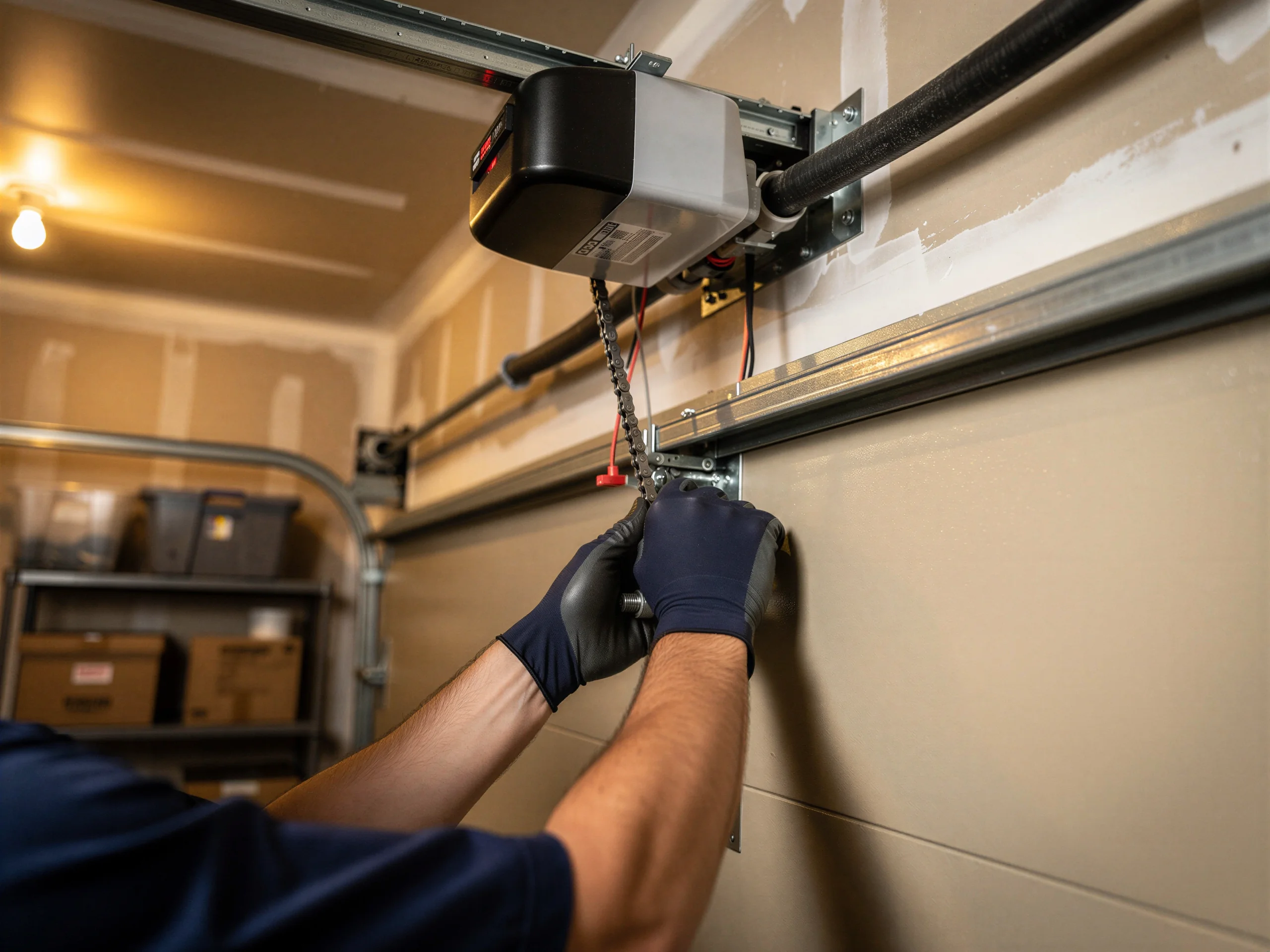
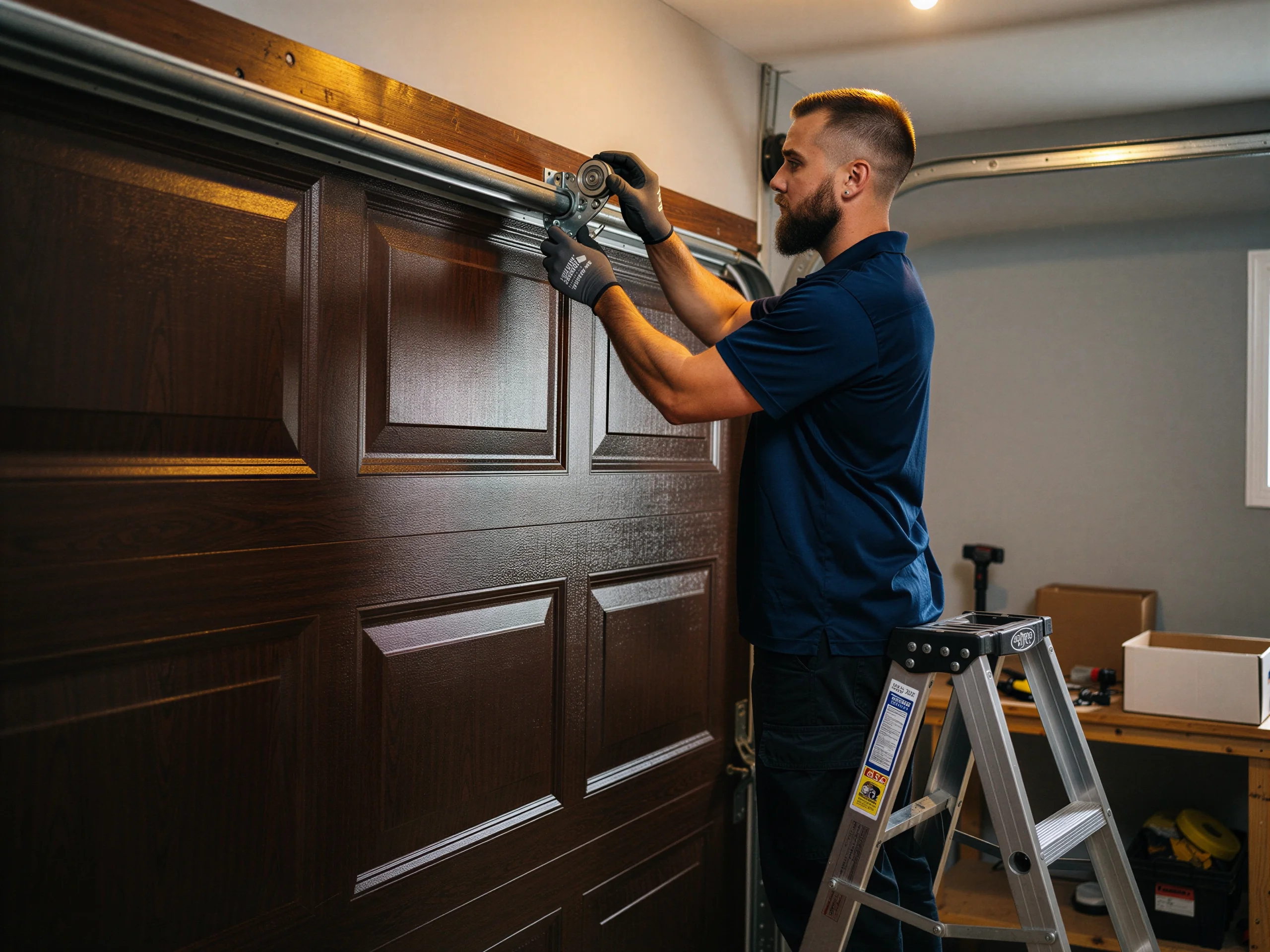
We pull the broken spring, check the drums, cables, and the track alignment before putting a new spring on - because on a house this age, a spring failure is often the first sign that the track or bearing plate has been drifting out of line for a while without anyone noticing.
Weight changes since build
We size the replacement to the door's actual weight, not just a guess based on what came off, since a 1981 door may have had a different operator or extra insulation added since it was built, which changes what it actually weighs now.
Balance check after cold
Climate here runs cold enough that steel hardware stiffens up in winter, so we also check that the spring's wound tension still matches the door's balance point once the weather's been cold a while - a spring sized right in July can feel a little off come January.
Doing It Yourself
Torsion springs are under enough tension to do real damage, and we'd rather tell you that plainly than have you find out the hard way. If you're hearing the bang-and-stop symptom, the safe move is to leave the door down, disconnect the opener if you can do that safely, and call it in rather than try to wind or unwind anything yourself. Where a homeowner can help: knowing roughly how old the door is and whether it's ever had a spring replaced before saves us a trip up the ladder to measure, since a 1981 build is old enough that the current spring could be any of several standard sizes depending on when it was last swapped.
Talk to a local pro
Garage door service in Elk Grove Village?
Same-day service with honest, upfront quotes.