How It Shows Up
The median Streamwood house went up around 1981, which puts most garage doors here a step newer than the 1960s stock you'll find closer to Elk Grove Village.
Extension-to-torsion transition
That means steel sectional doors, usually a 16x7 double or an 8x7 single, hung on hardware that was just starting to shift from extension springs to torsion bars. Thirty-plus years in, both styles are at or past the end of their working life. Extension springs on the side rails stretch and lose tension unevenly, so one side of the door sags and the opener strains to lift it square.
Undersized spring snapping
Torsion springs from that era were often undersized for the door weight they carry, so they snap clean rather than wear gradually. You'll hear it as a loud bang in the garage, then the door won't budge, or it opens a few inches and stops.
Nylon-less roller noise
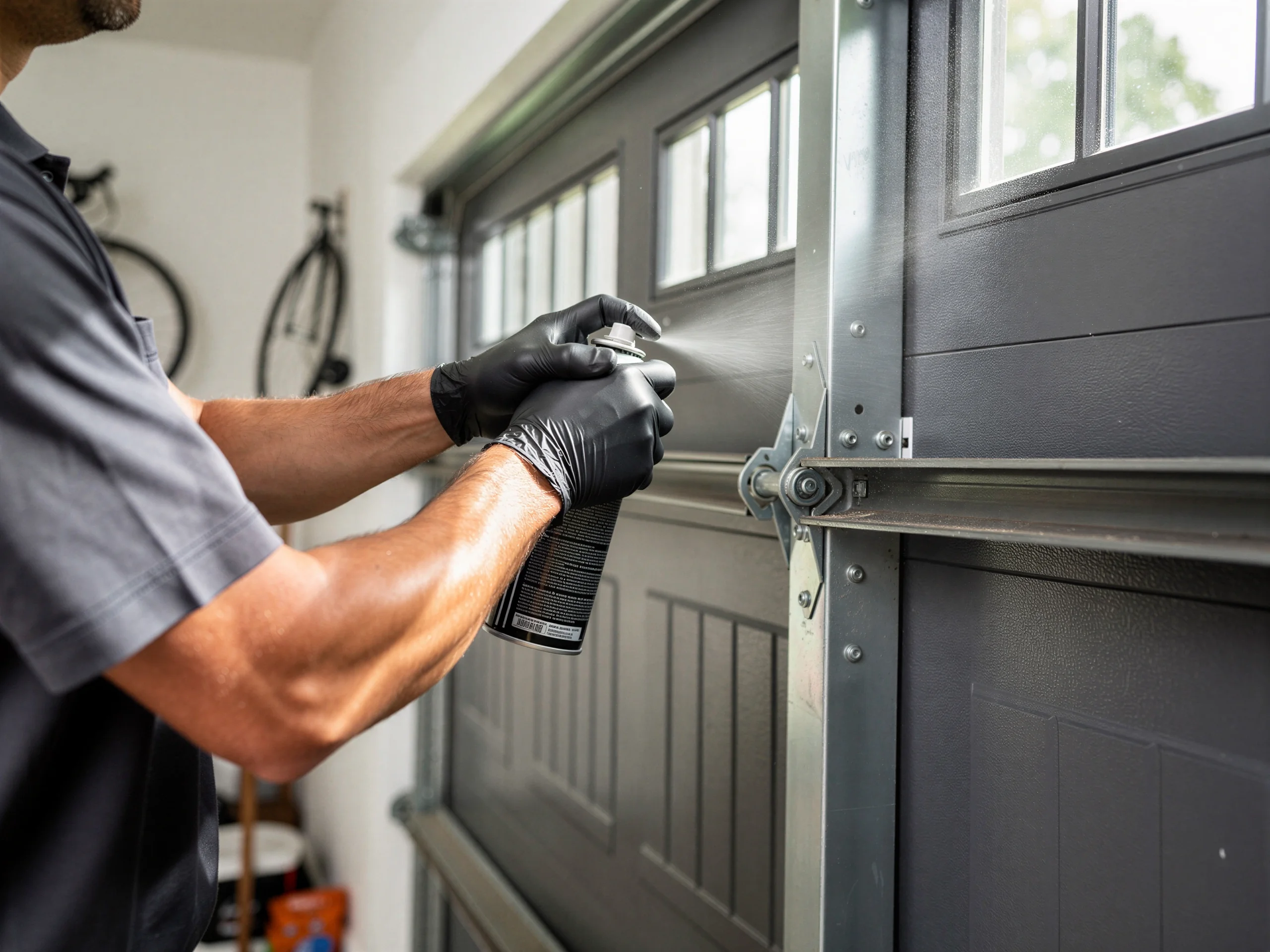
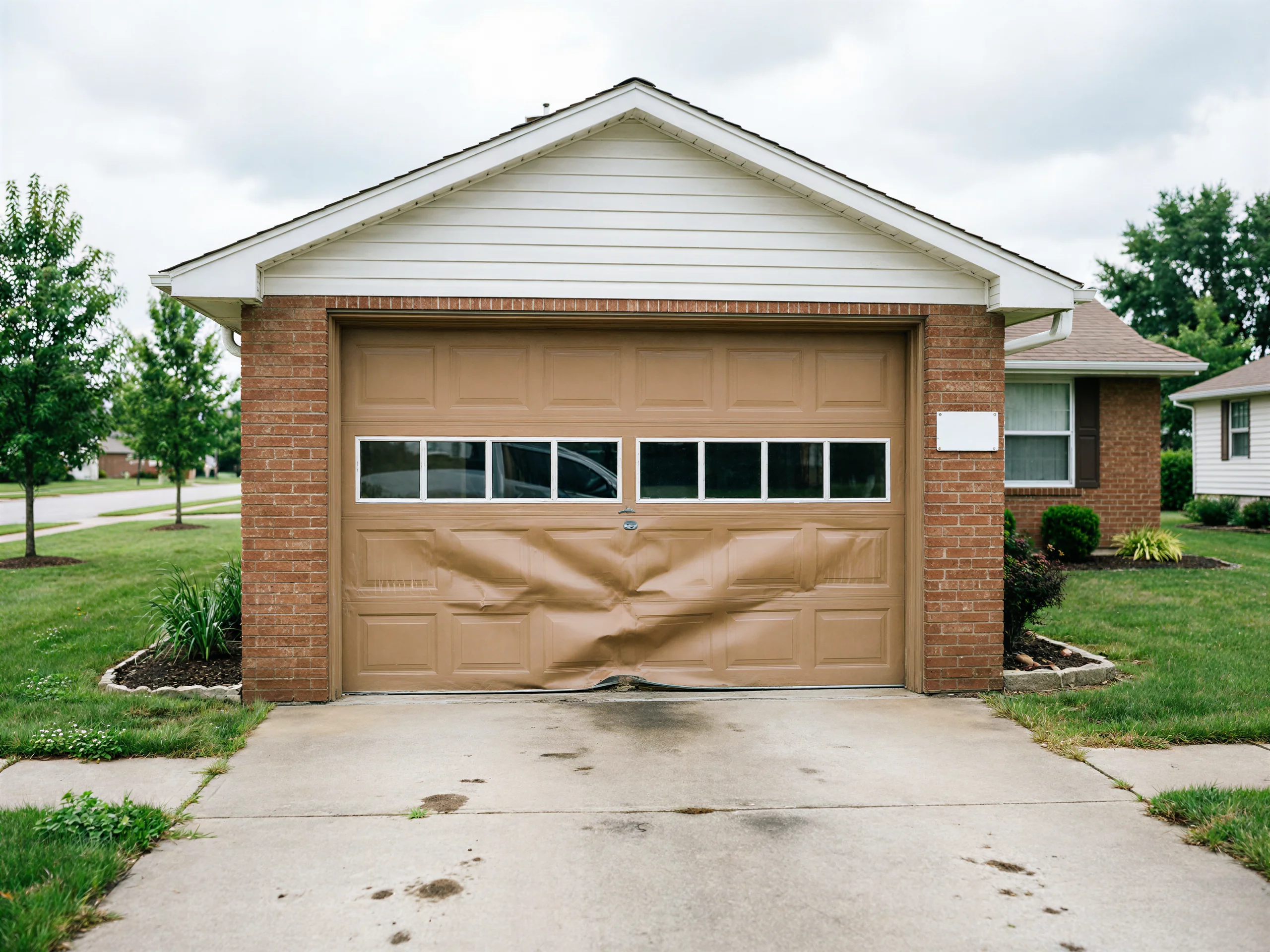
Rollers from the original install are usually steel on steel with no nylon sleeve, so a grinding or popping noise as the door travels is common too. Panels on these doors rust from the bottom up where water sits after Chicago winters, which is a separate repair from anything spring or track related, but it shows up on the same doors at the same age.
What It Costs
We don't have a published price list for this page, so the honest answer is that cost depends on what's actually broken and what size door you're running. A single torsion spring replacement on an 8x7 door is a different job than a full extension-to-torsion conversion on a 16x7 double, and we won't quote either sight unseen. What we can tell you is that a $101,049 median household income area like Streamwood tends to lean toward repair over full replacement when the door itself is still sound, since swapping a spring or a section is almost always cheaper than a new door and opener. We'll give you a number before we touch anything.
What Is on the Truck
For doors from the early-1980s build era, the truck carries torsion springs in the sizes that actually match 16x7 and 8x7 doors from that period, plus extension spring sets for the houses that never got converted.
Hinge and roller stock
We stock steel hinges and both styles of roller, nylon and steel, because swapping a noisy steel roller for nylon is one of the cheaper fixes that makes the biggest difference in how the door sounds.
Bottom bracket stock
Galvanized cable comes in standard lengths for these door heights, and we carry bottom brackets and astragal seals since weather sealing wears out faster here with the cold winters this area gets.
Unmatched panel colors
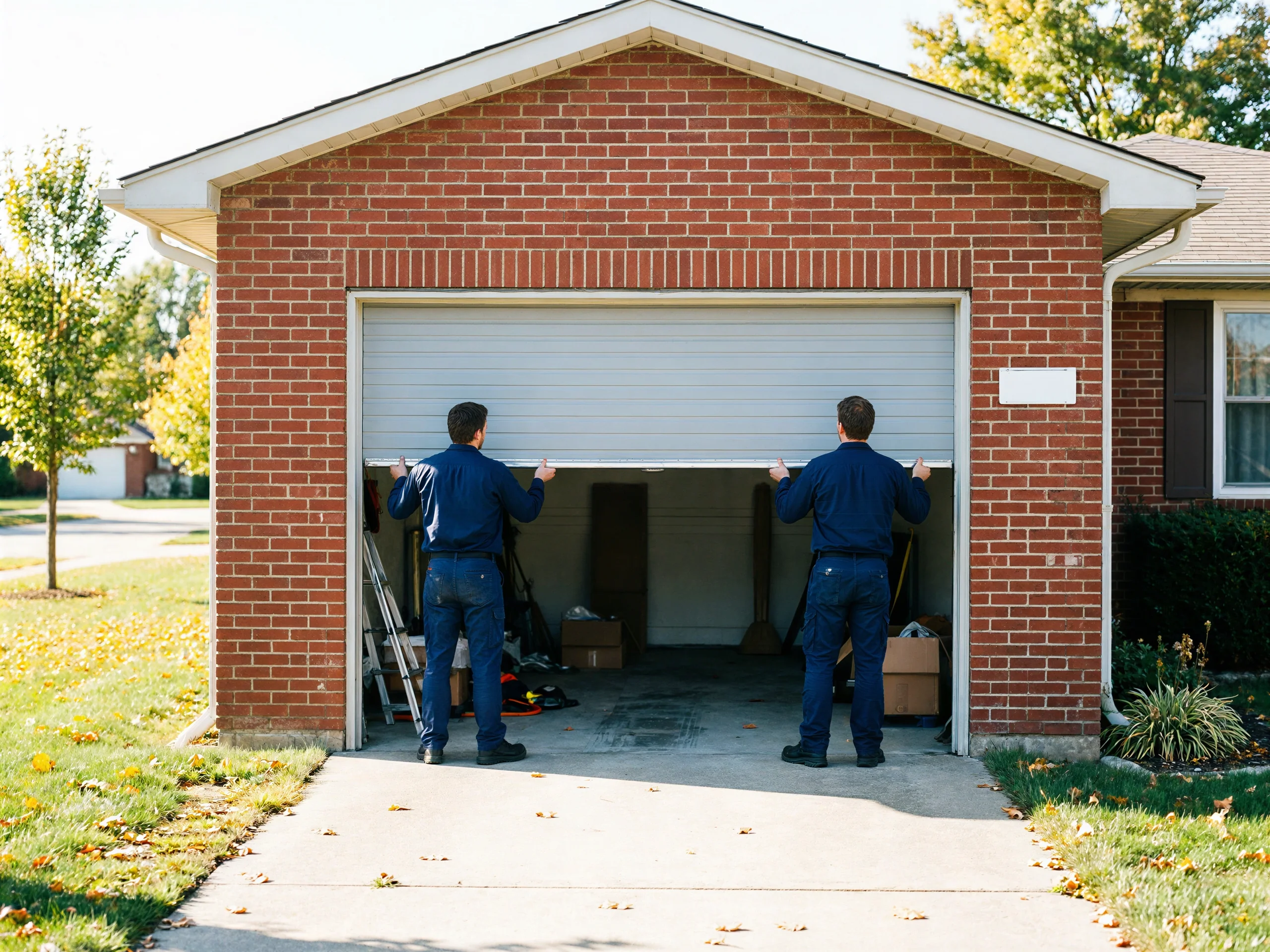
What we don't carry on the truck is replacement steel panels matched to every original color and ribbing pattern from 1981 - if a panel is rusted through or dented beyond pulling, that part sometimes has to be special-ordered or the door gets replaced section by section as parts allow.
How We Fix It
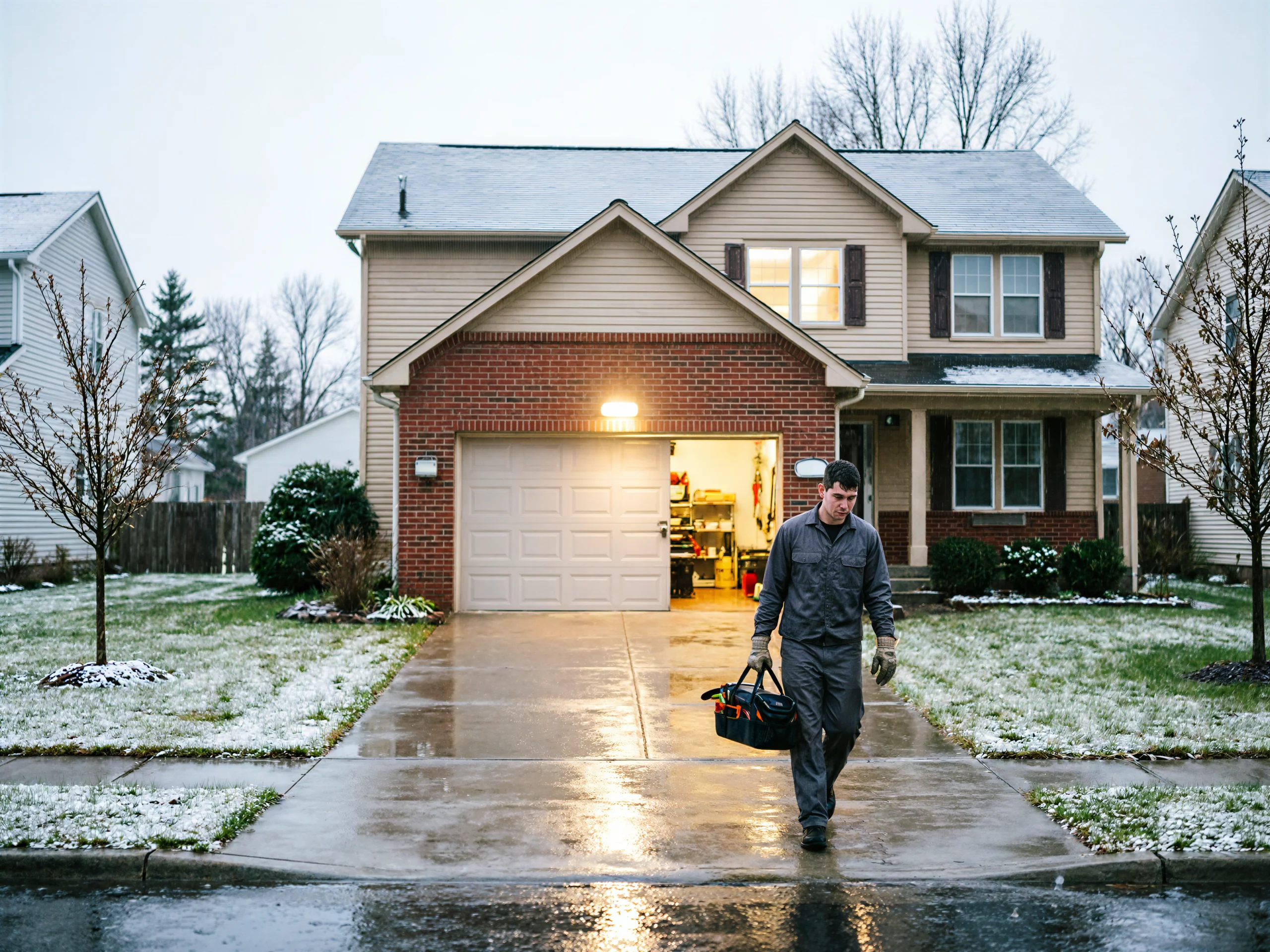
We come out from our Elk Grove Village location, about 10 miles south of Streamwood, so we tell you a window before we leave rather than promising an arrival time down to the minute.
Setup-type first check
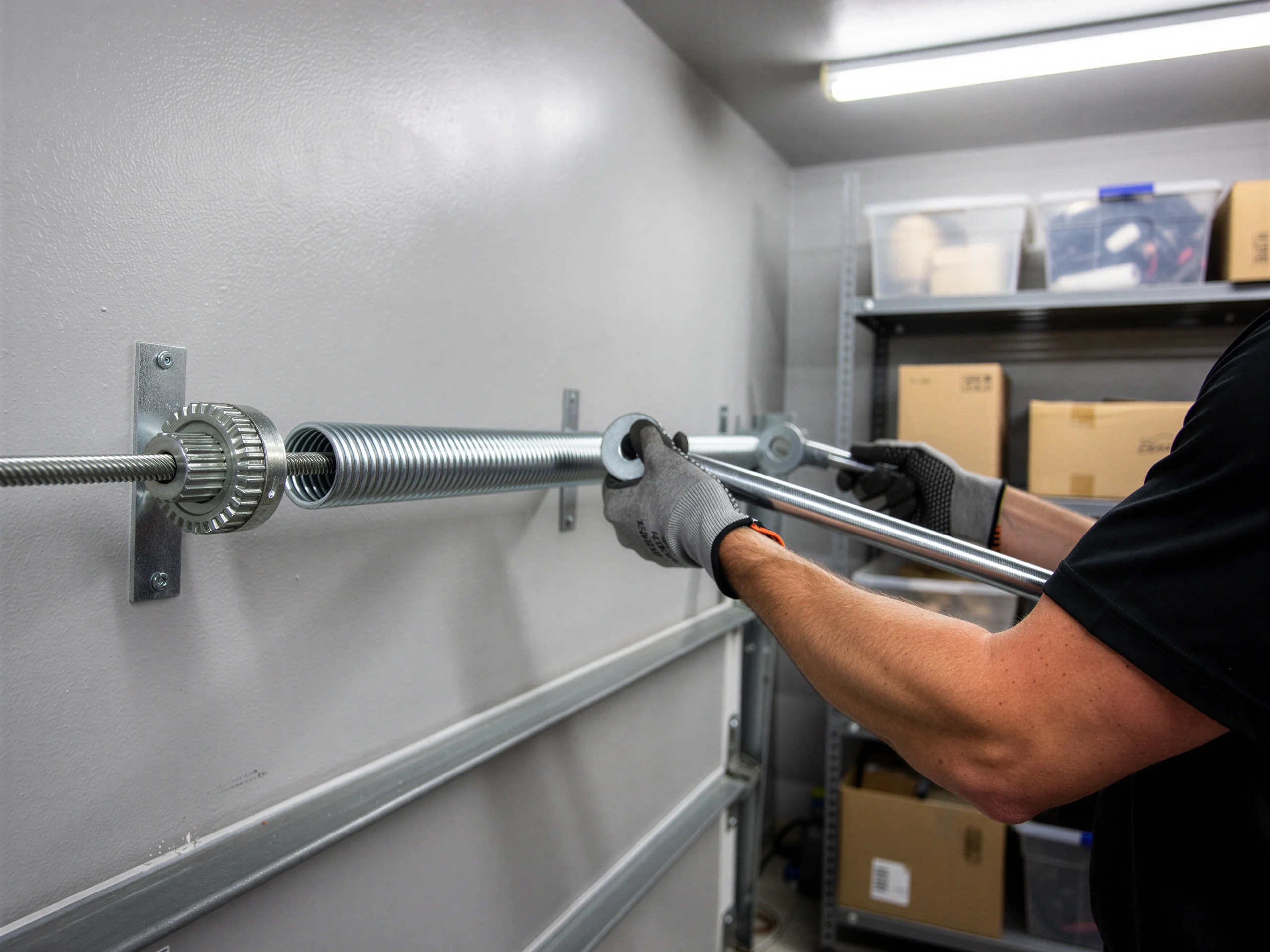
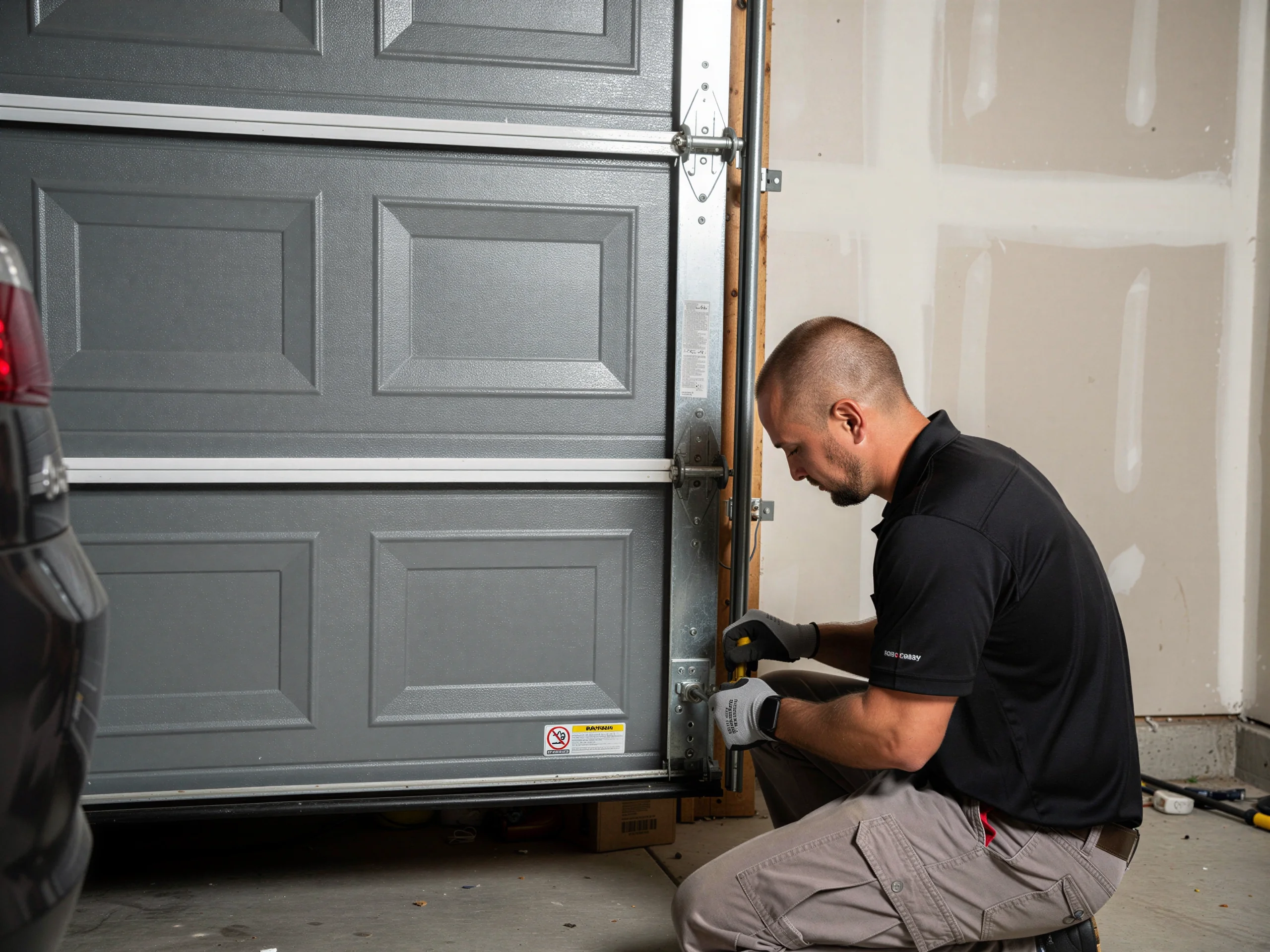
On site, the first thing we check on a door that won't lift is whether it's an extension or torsion setup, since that changes the whole repair. For a broken torsion spring, we unwind what's left, measure the door's actual weight rather than guessing from its age, and install a spring rated for that load so it doesn't fail again in a season.
Cable fray and pulley
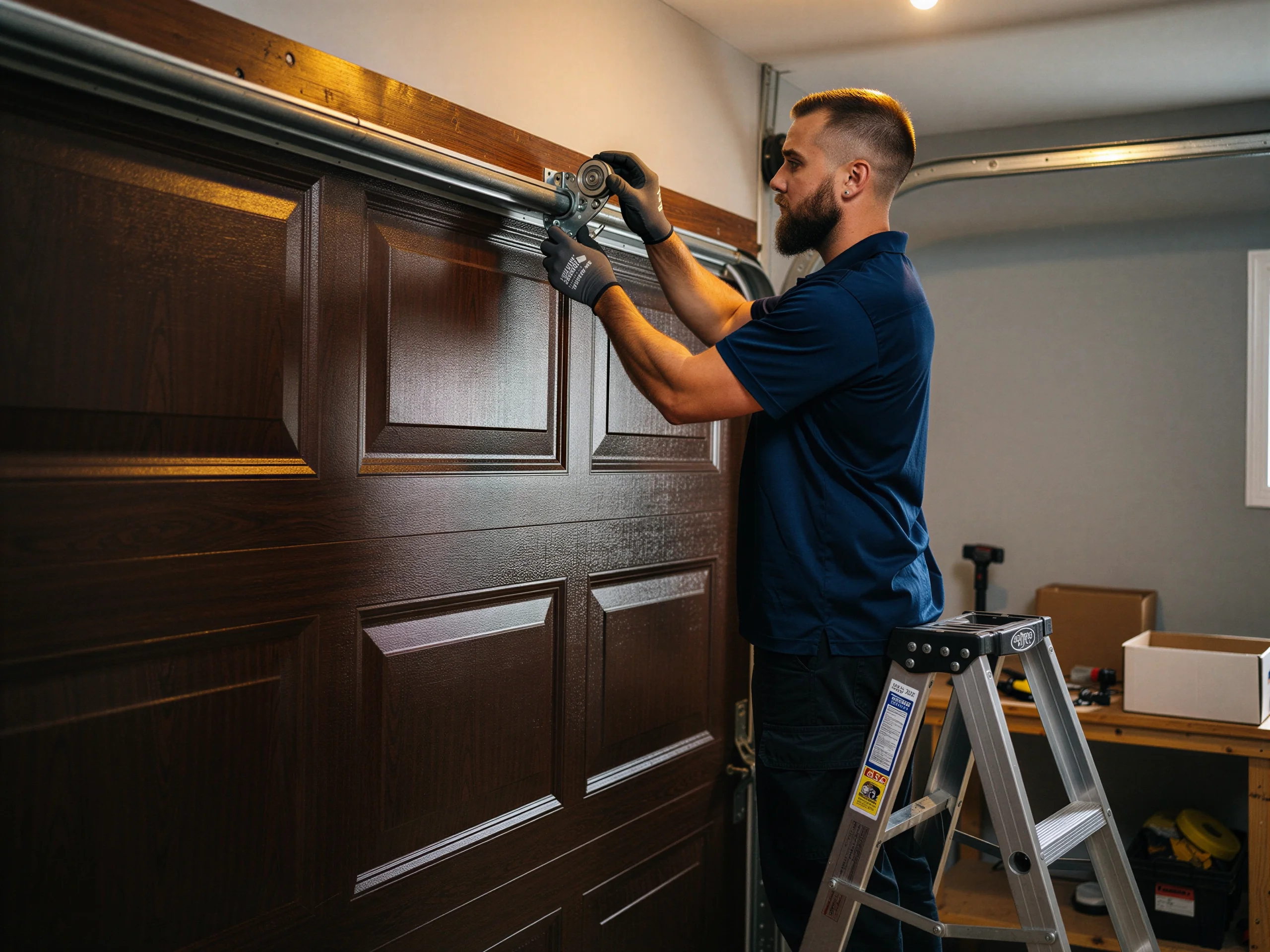
For sagging extension-spring doors, we check cable fray and pulley wear at the same time, since those parts age together. If rollers are the grinding culprit, we replace the full set rather than just the noisy one, because the rest are usually close behind.
Balance and force test
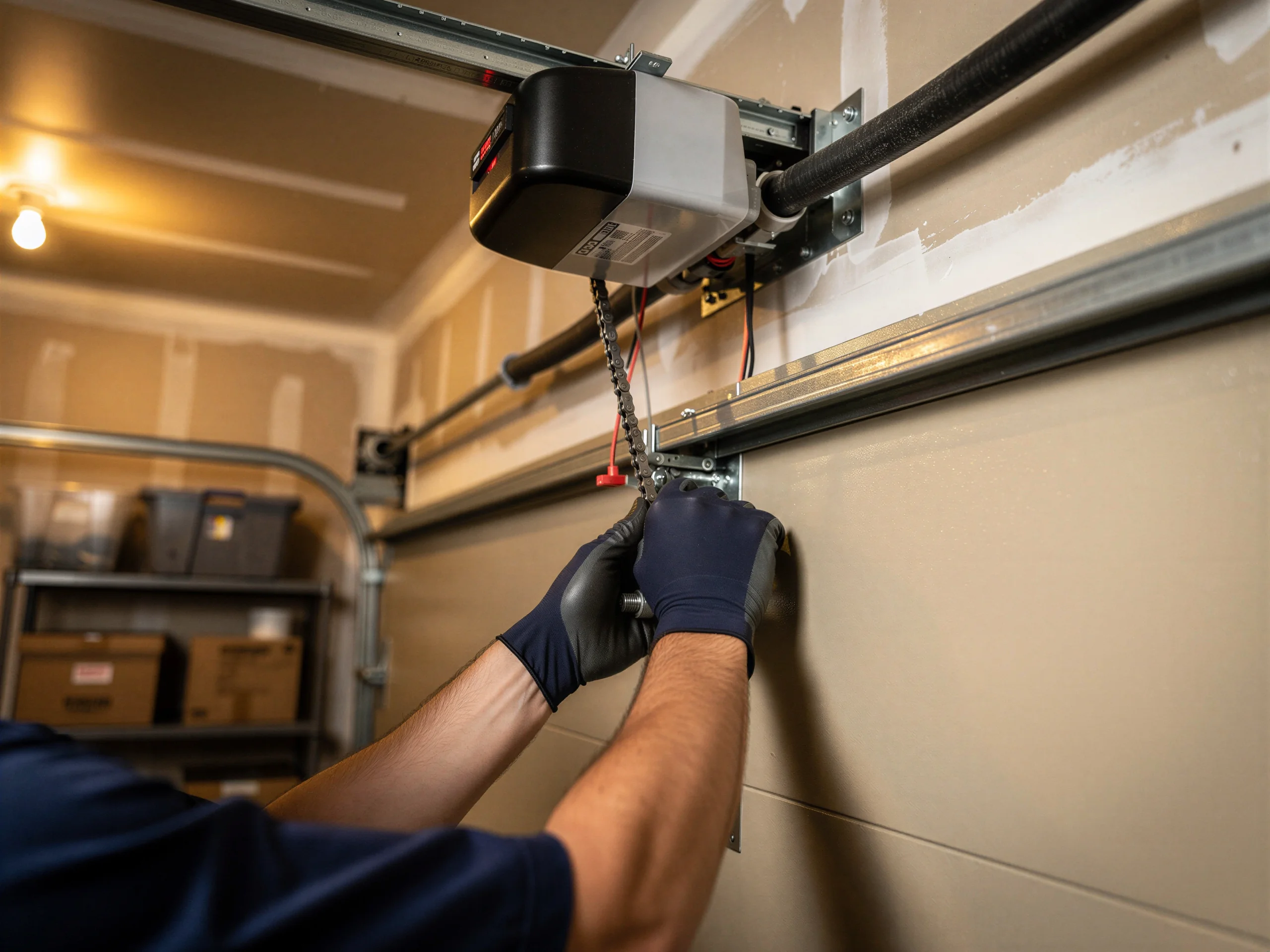
Every repair gets a balance test and a force check on the opener before we call it done, since a door that lifts but isn't balanced just wears out its new parts faster.
Doing It Yourself
A torsion spring holds enough stored tension to break a bone or worse if it lets go while you're working on it, so that's not a do-it-yourself repair regardless of how simple the YouTube video makes it look. What you can safely check yourself: listen for grinding and look at the bottom corners of the door for rust before it spreads, and check that the door reverses when it hits an object in its path, since that's a safety feature that fails quietly. If the door is visibly off-track or a cable has come loose from the drum, leave the door down, don't run the opener, and call it in. Forcing a stuck door with the opener often turns a spring job into a track and panel job.
Talk to a local pro
Garage door service in Elk Grove Village?
Same-day service with honest, upfront quotes.