Doing It Yourself
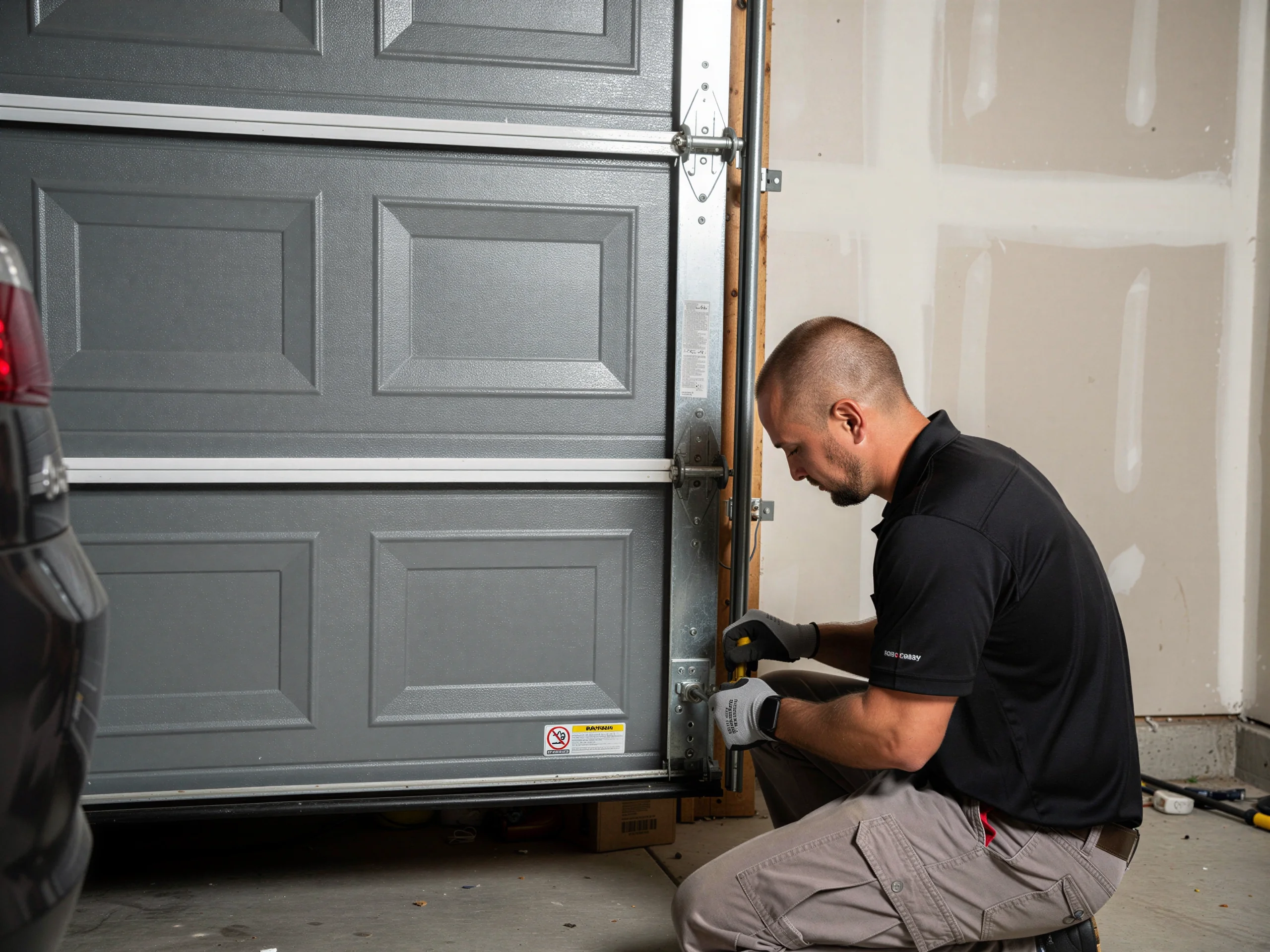
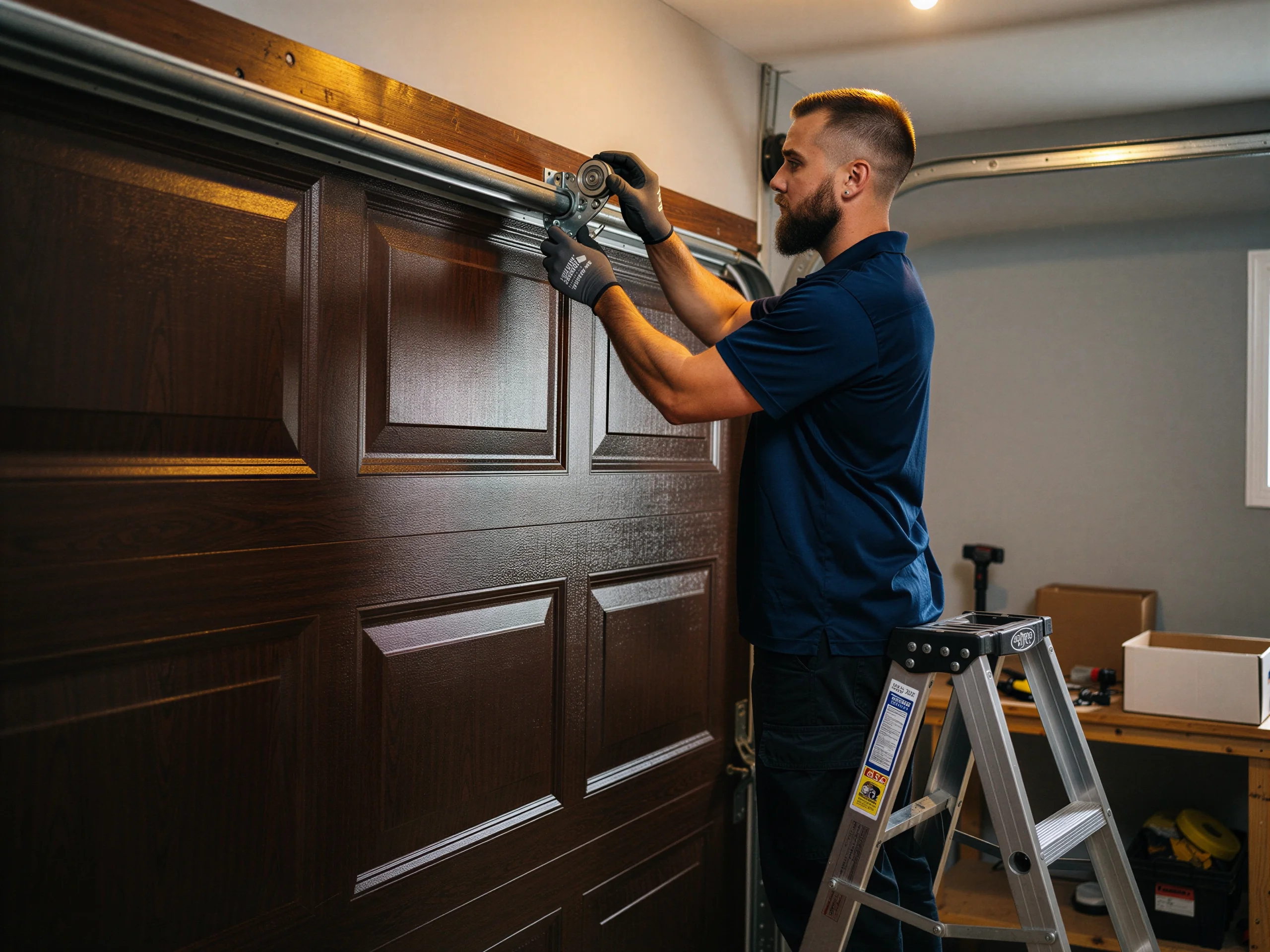
A roller job looks simple until you're the one holding the door up with a knee while trying to pull a stem out of a bent hinge.
Builder-grade track quirks
On the builder-grade track that's common in this part of town, the rollers aren't always the easy pull-and-swap kind you see in a video. A lot of these doors went up around 1970, and the track spacing and hinge gauge from that era don't always match what's sold off the shelf today.
Wrong roller diameter
If you buy the wrong roller diameter, the door binds in the track and you've made the problem worse, not better. We'd rather you call before you order parts than after you've already pulled the door off its hinges. This isn't a job where an extra pair of hands fixes a bad part choice. There's also the spring to think about.
Spring cycles and track
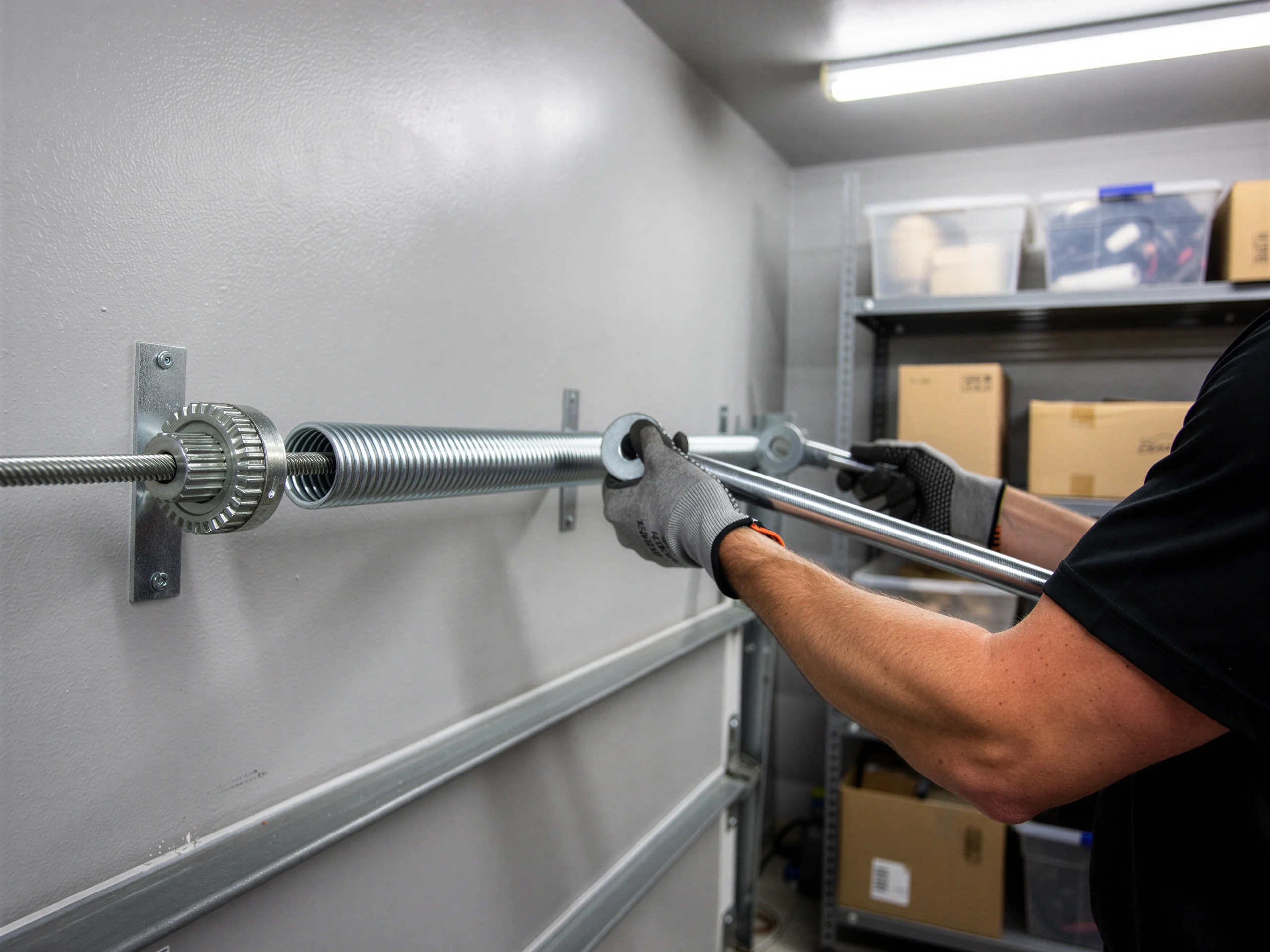
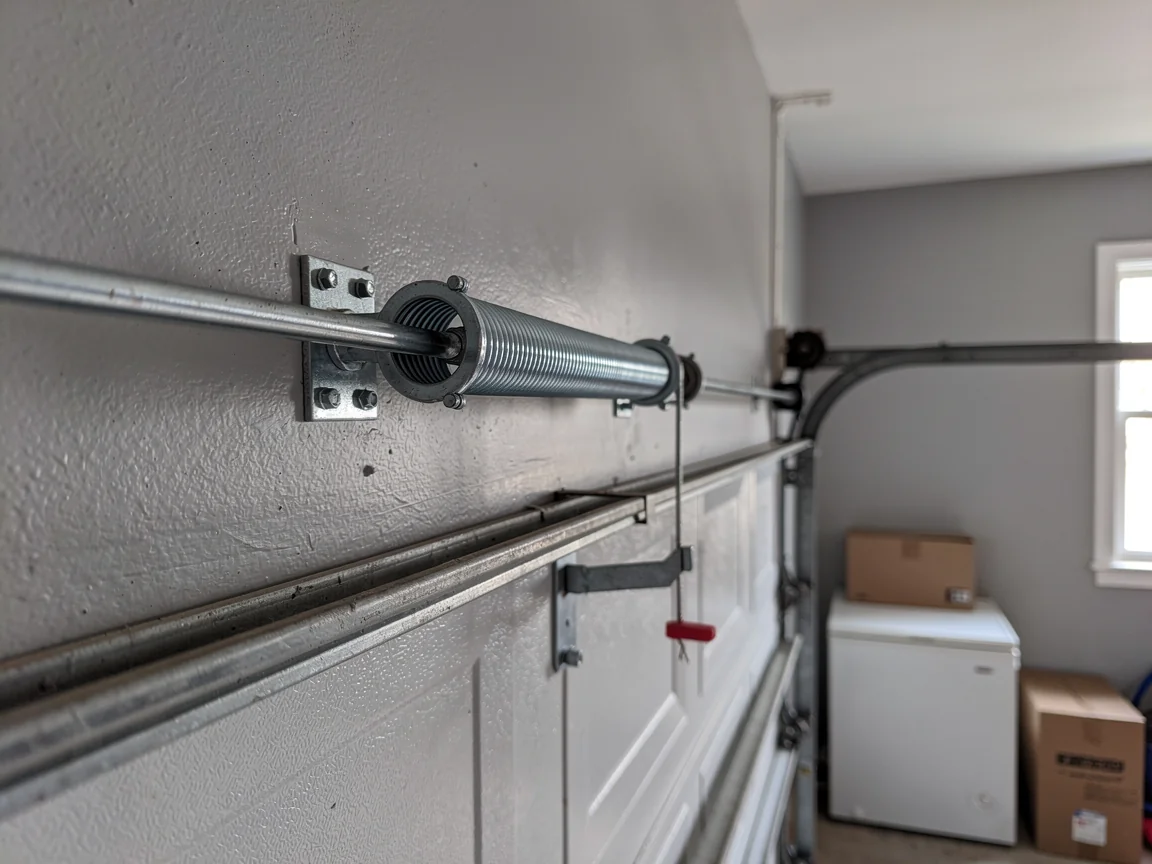
On a door this age, the torsion spring has usually seen more cycles than it was built for, and loosening the track to get at the rollers can let that spring take a swing you don't expect. We've seen people start a roller job and end up needing a spring replacement they didn't plan for. If your door still has its original hardware, that's worth knowing before you touch anything.
Booking a Visit
We run this job from Elk Grove Village, 4 miles out to Bensenville, so there's no separate branch here and no local response-time promise to make - just a short drive and a truck that carries roller stock sized for the track spacing common to this era of door.
Build-age intake
When you call, tell us the rough age of the house if you know it. A door built around 1970, which fits most of this stretch, usually takes a specific roller and hinge combination that's different from what you'd find on a door from the 1990s.
Opener origin question
That one detail saves a wasted trip. We also ask whether the door is still on its original opener. Rollers wear differently depending on whether the opener is pulling evenly across the top panel or straining on one side, and that tells us what else to check while we're there.
Flagging near-failures
We don't pad the visit with an inspection of things you didn't call about, but we will flag anything that's close to failing so you're not back on the phone in a month for something we could've caught the first time.
How It Shows Up
The first sign is usually sound, not sight. A door that used to run quiet starts grinding on the way up, or you hear a clunk every time a specific roller hits the bend into the horizontal track.
Bend point wear
On houses built around 1970 - which describes a lot of Bensenville's stock - that bend point sees a steel roller that's been riding the same track for decades, and steel on steel wears the track lip faster than a nylon roller would. Sometimes it shows up as a door that hesitates partway up, like it's catching on something.
Cracked roller stem
That's often a roller that's cracked at the stem and is riding at an angle instead of straight through the track. Left alone, it'll eventually jump the track entirely, usually at the worst possible moment - cold morning, door half open, you late for work.
Brittle nylon in cold
Cold matters here more than people think. In a moderate-cold climate like this one, nylon rollers that have gone brittle from years of winter temperature swings are far more likely to crack than wear smooth, and a cracked roller fails without warning instead of giving you time to notice.
Why This Fails Locally
Houses on this side of town mostly went up around 1970, and that puts a lot of doors here on original steel rollers running in track that was never designed to be upgraded piece by piece. Steel rollers were standard then; they're loud, they wear the track groove unevenly over time, and once that groove wears, even a new roller won't ride smooth in it. That's a track problem wearing a roller disguise, and it's common enough on doors this age that we check the track profile before we quote roller-only work.
At 4 miles from Elk Grove Village, this isn't a different climate zone or a different code jurisdiction - it's the same cold-moderate winters hitting a different generation of hardware. Cold winters here turn cheap nylon rollers brittle, and on a track that's already fifty years old, that combination is what snaps a roller off its stem rather than just wearing it down. With roughly 6,834 households in this stretch, a lot of them are carrying the same era of door and the same failure pattern, just on different timelines.
Where This Job Goes Sideways
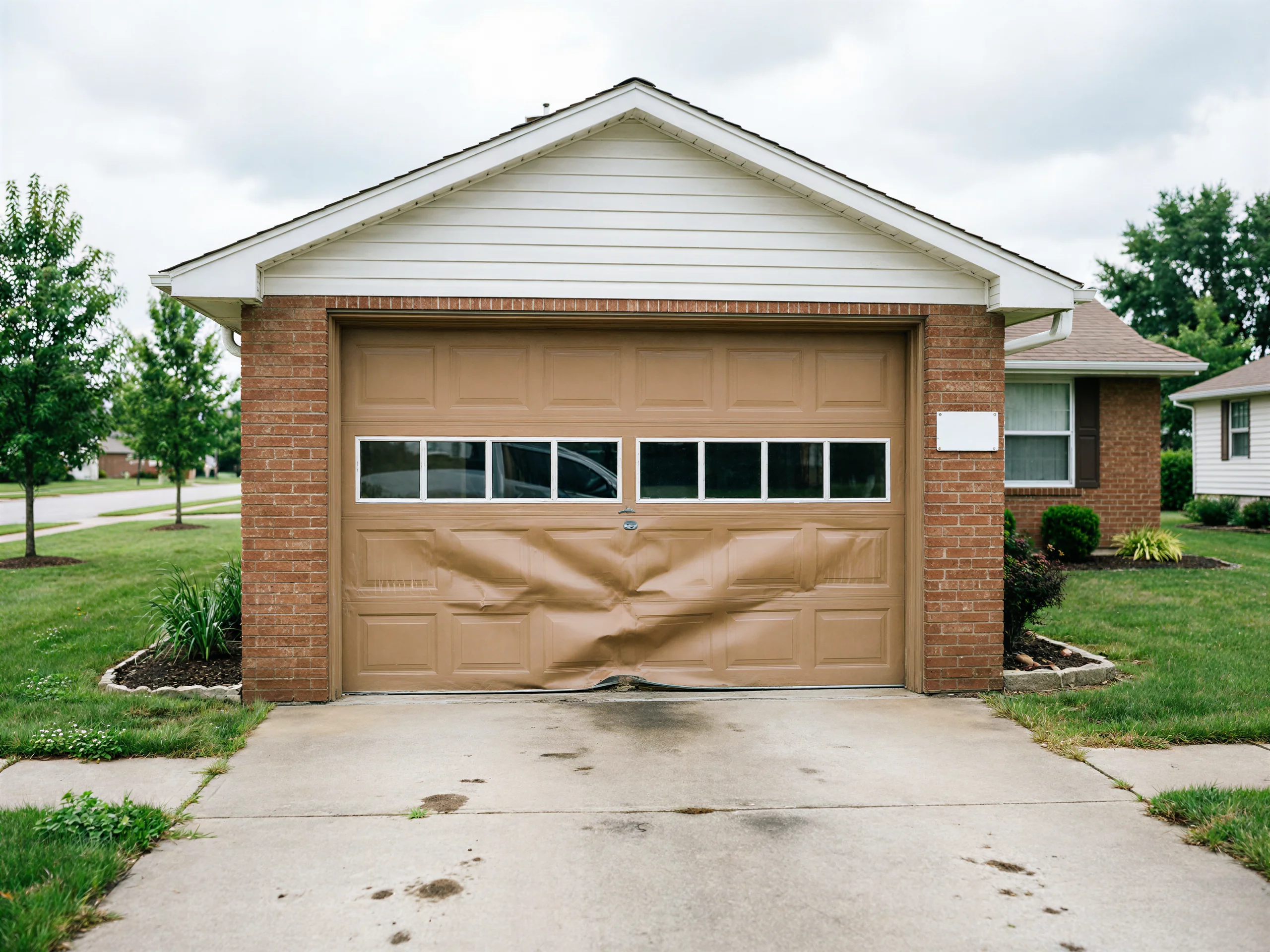
The job goes sideways when the track itself is the real problem and the roller was just the symptom. On a door built around 1970, fifty-plus years of steel rollers grinding through the same bend can wear a groove into the track rail that no replacement roller - steel or nylon - will ride smoothly in. Swap the roller without noticing the groove, and the new part wears out in a fraction of the time the old one lasted.
It also goes sideways when a homeowner wants to fix one bad roller and ignore the three others that are close behind it. Rollers on the same door usually age together if they came from the same production run, so a single failure is often the first of several. We'll tell you straight if we think you're looking at a full set instead of a spot fix, even when that's not what you called about. And if the track is bent or badly grooved, we'll say so rather than sell you rollers that won't hold.
What It Costs
We don't have a published price list to hand you here, and pricing depends on whether this is a straightforward roller swap or one that uncovers worn track, bent hinges, or a spring that's past its service life.
Income-based replacement logic
What we can tell you is how we think about it in a neighborhood like this one: at a median household income of $78,298 here, full door replacement isn't the first move when the rollers are the actual failure point, and most of these jobs don't need to go that far.
Roller-only fix check
We'll look at the door, tell you whether it's a roller-only fix or something bigger, and give you a number before we start - not after. If the track is too worn to save, we'll say that plainly instead of selling rollers onto a rail that'll chew through them again in a year.
Coverage page reference
For the exact service area and what else we cover out of Elk Grove Village, see the coverage page for Bensenville or the roller replacement page for Elk Grove Village itself.
Talk to a local pro
Garage door service in Elk Grove Village?
Same-day service with honest, upfront quotes.