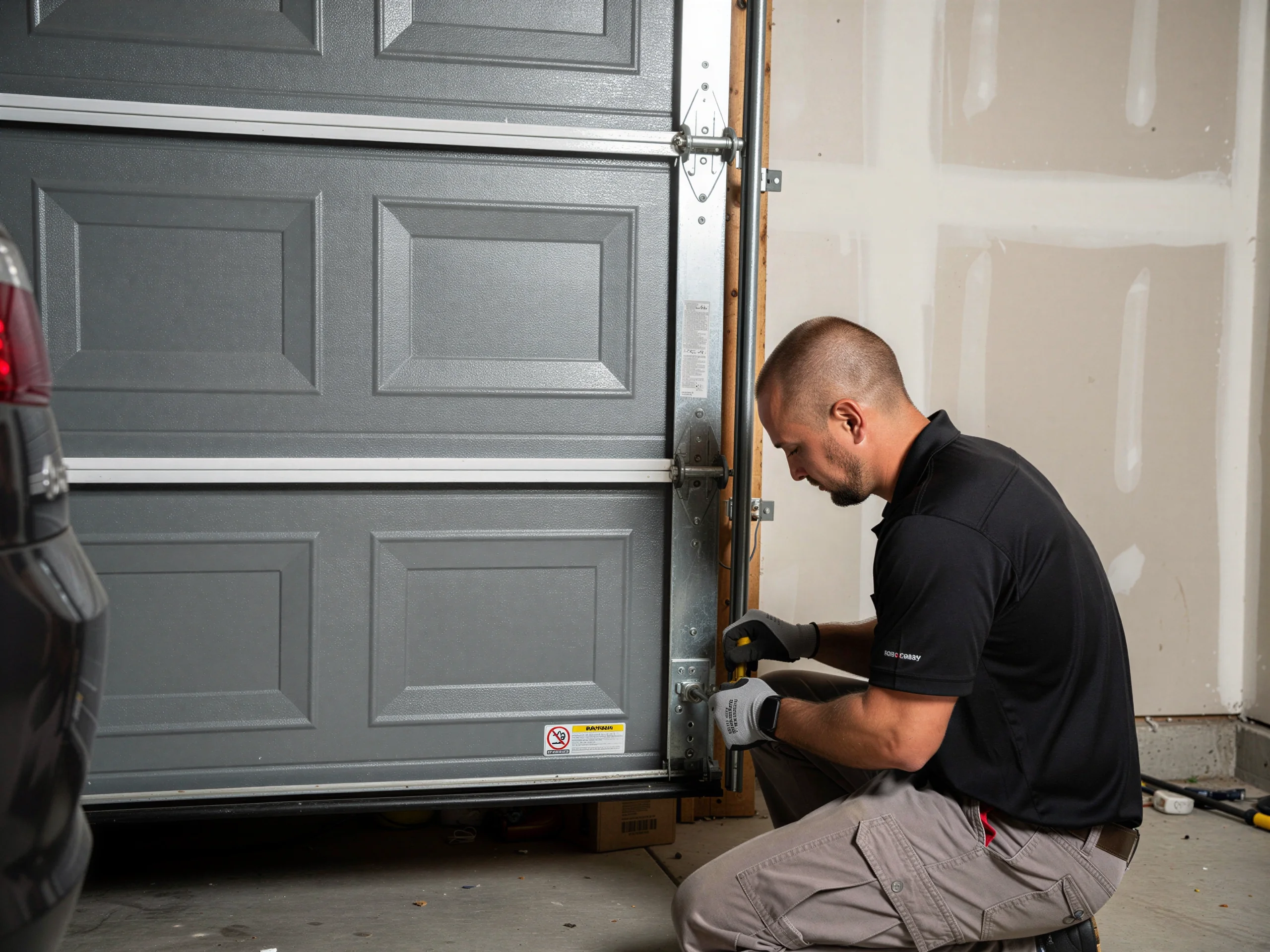
Doing It Yourself
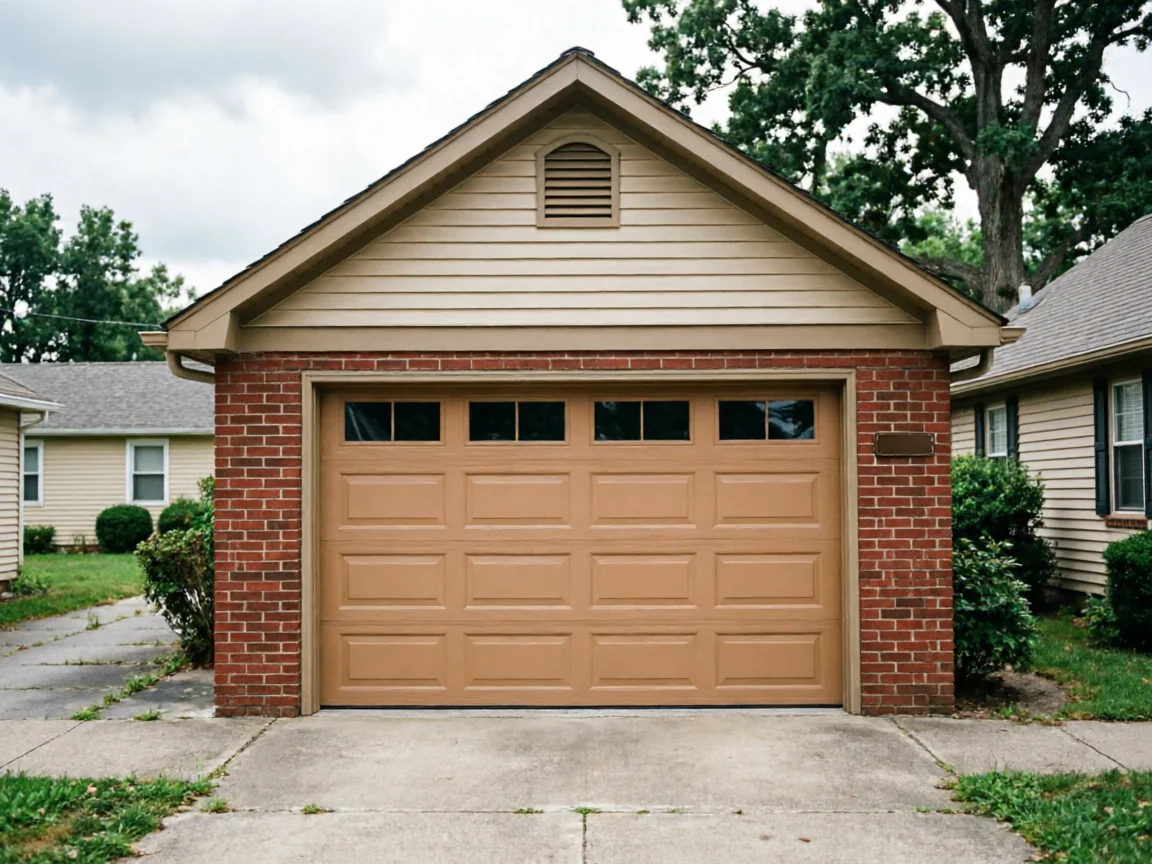
Most of Bensenville went up around 1970, which puts the garage doors here in a specific category: steel single-layer sectional doors, usually a 16x7 double or a 9x7 single, hung with no foam between the panels and no vapor barrier behind them.
Side-mounted bracket era
That's the era this stretch of the Chicago suburbs was built in, and it shows in the hardware - original torsion springs on side-mounted brackets, roller tracks bolted straight to the jamb, openers that were added later rather than built in. Pulling a panel on a door like that yourself is possible, but matching it is the hard part.
Salvage panel hunting
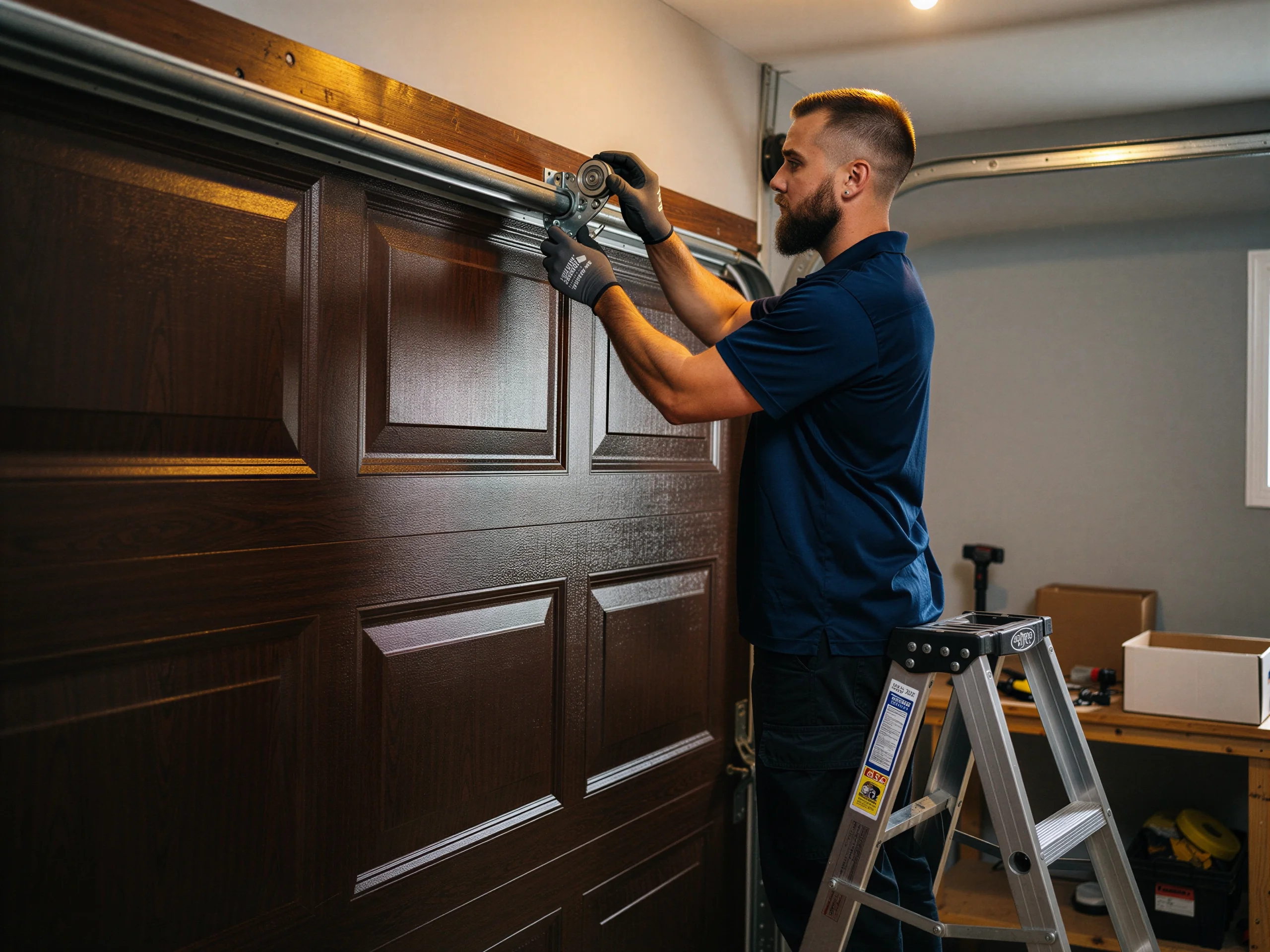
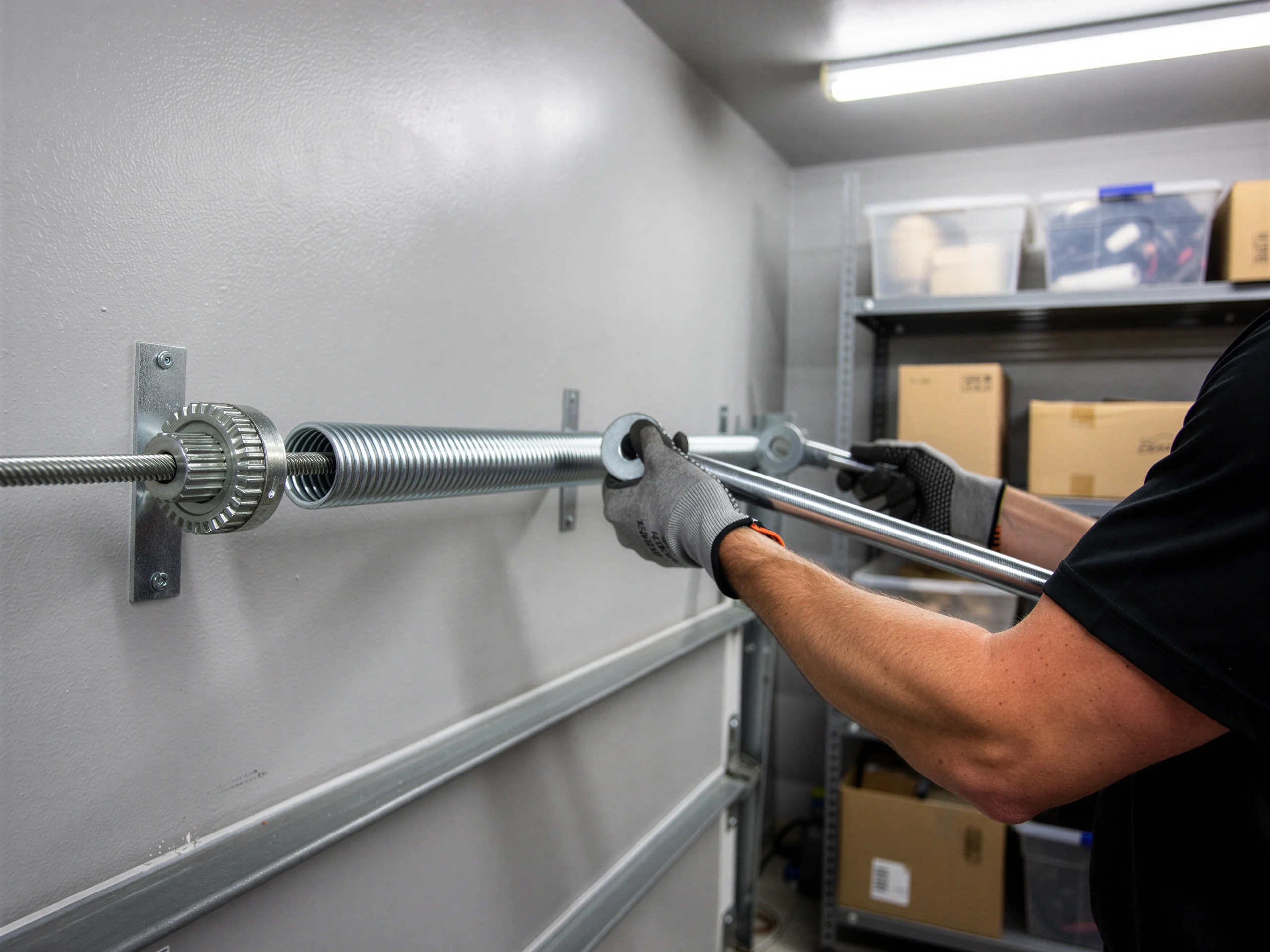
Steel profiles from 1970 don't match what's sold today, so a cracked panel often means you're hunting a used or salvage match rather than ordering off a shelf. Swapping a torsion spring on your own is the other common DIY attempt, and it's the one that sends people to the ER - these springs store enough force to break a wrist or worse if the winding bar slips.
Mallet-level track fixes
We'll tell you straight: a bent track you can true up yourself with a rubber mallet and a level. A broken spring, a snapped cable, or a door that's come off its rollers is not a weekend project. That's where a call actually saves money, not just skin.
Booking a Visit
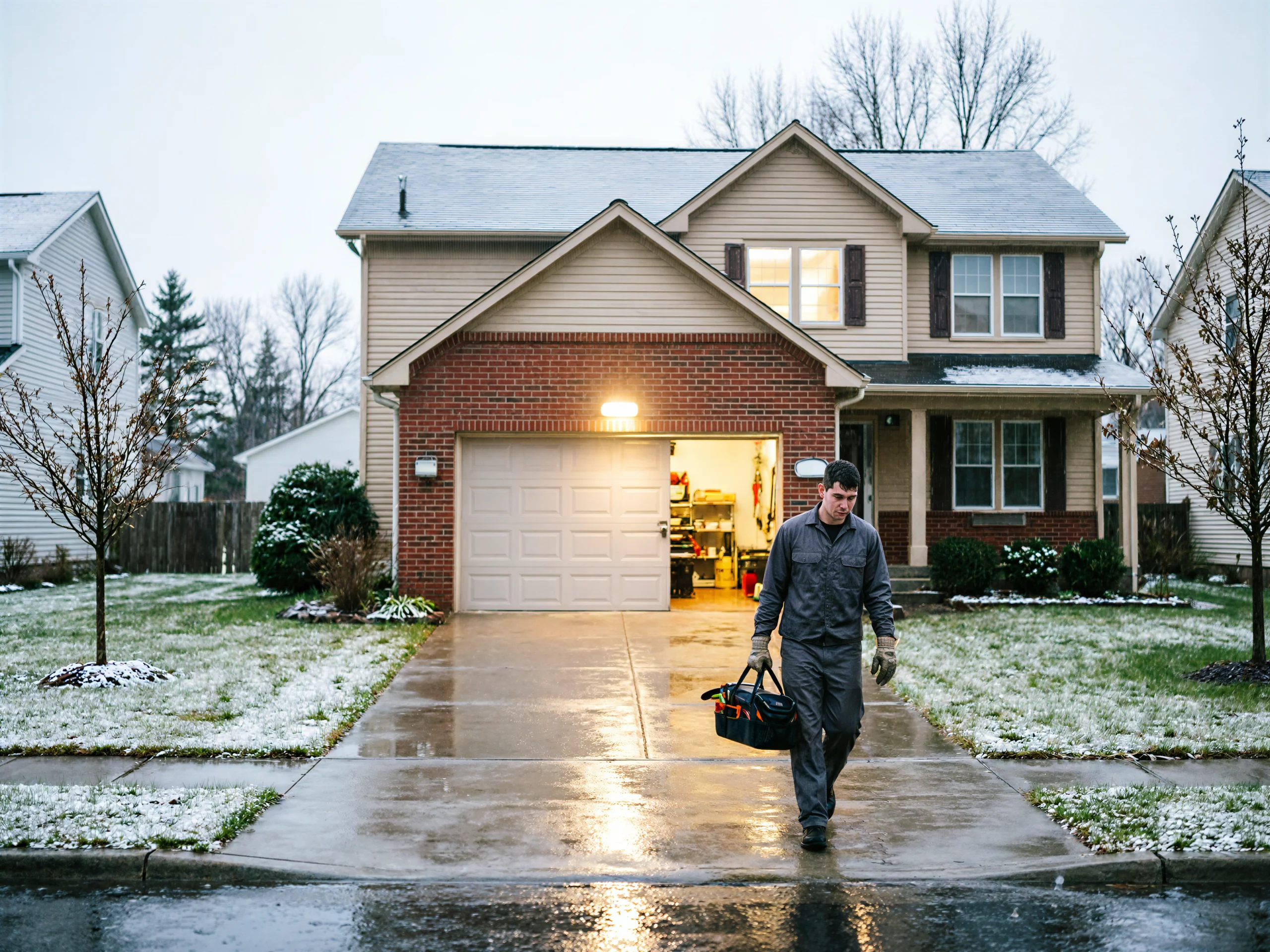
There's no branch sitting inside Bensenville - the truck comes from Elk Grove Village, about 4 miles up the road, same as it does for the rest of this side of the service area.
Short route stop
That's close enough that a Bensenville call isn't an outlier stop on the route; it's a short one. When you call, have the door's rough age ready if you know it - for most houses here that's going to land somewhere near 1970 - and tell us whether it's a single or double door.
Install-date mismatch
That alone narrows down whether we're likely dealing with original torsion hardware or a replacement system installed sometime in the last couple decades. If the opener was added after the door, say so too; mismatched install dates are common in this stretch of housing and change what we bring on the truck.
Antique panel lead time
We don't carry an inventory that covers every discontinued steel profile from the 1960s and 70s, so if your panel is a genuine antique, there may be a short wait on a matching piece. We'd rather tell you that up front than show up and discover it on your driveway. See what's covered at Bensenville coverage, or check the main Elk Grove Village repair page for the full service area.
How It Shows Up
On a door built around 1970, the failure pattern tends to follow the hardware's age more than anything dramatic. Torsion springs on these houses are often original or on their second set, and steel fatigues - you'll hear a door that used to lift with one smooth pull start to catch, groan, or need a shove partway up.
Grease stiffening in cold
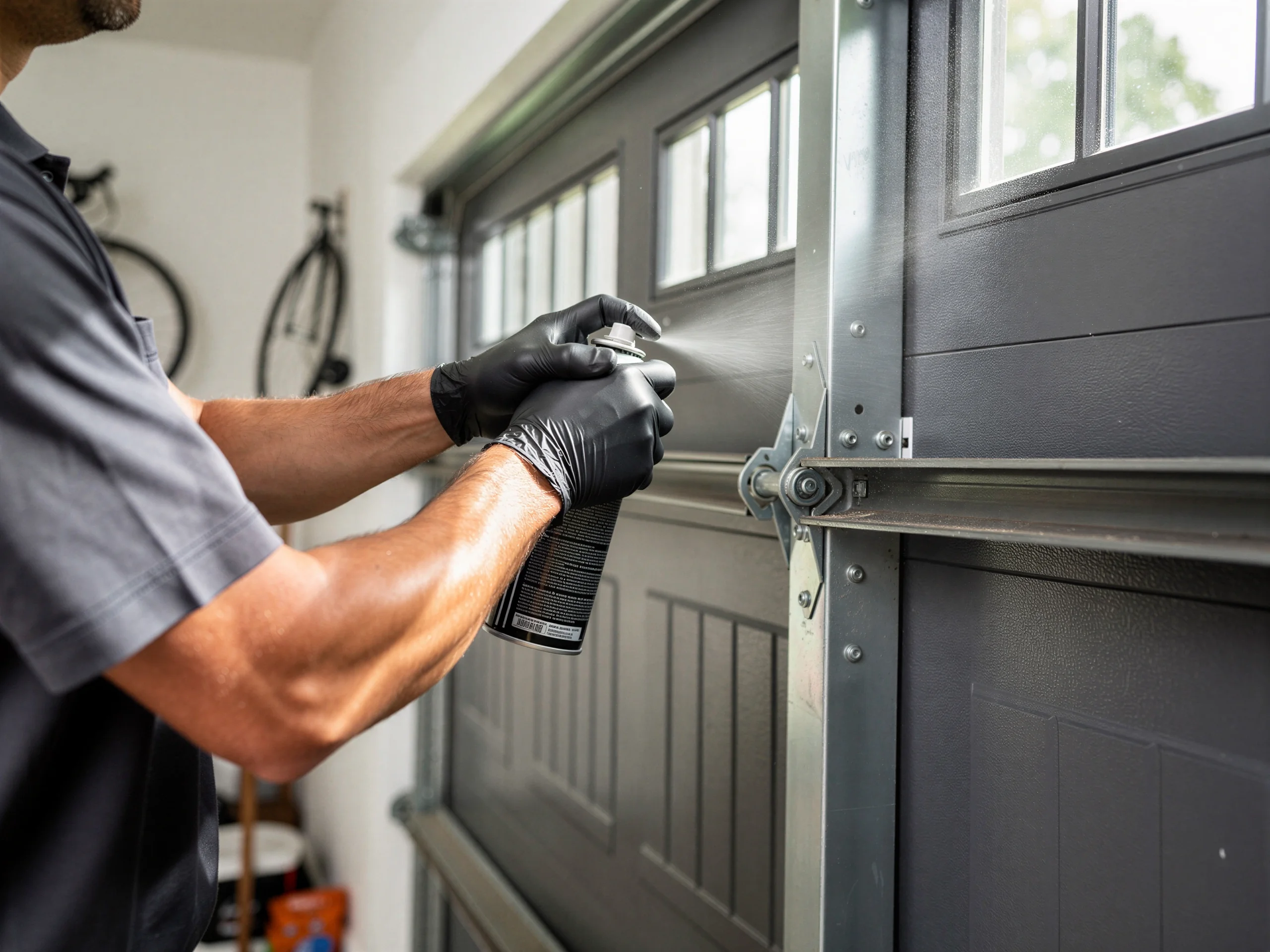
The cold-band winters this area sits in don't help. Grease that's fine in September turns stiff in January, and a door that's borderline in the fall will often fail outright on the first hard freeze, usually as a cable fraying at the drum or a roller seizing in its track.
Rigid steel dents
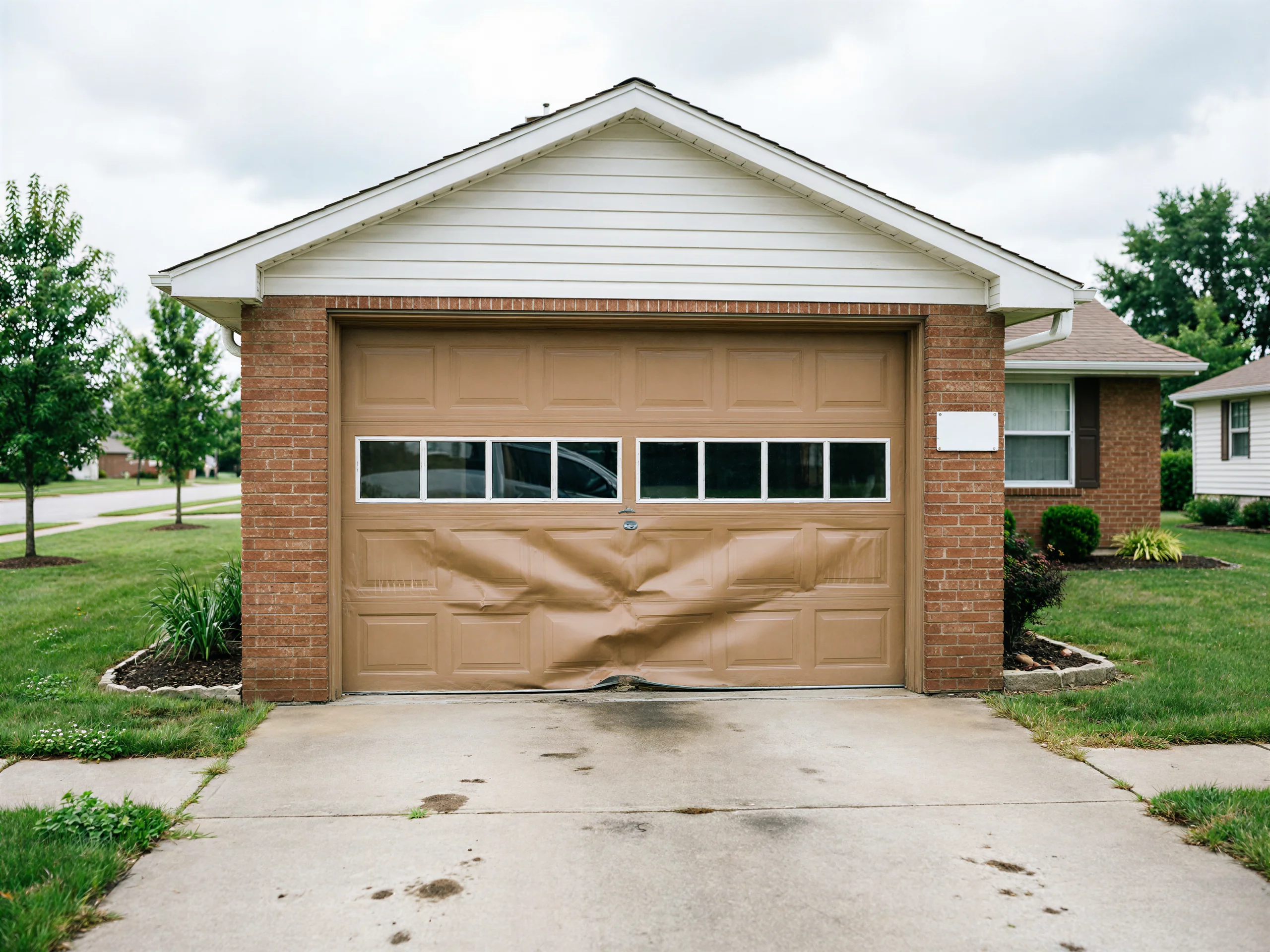
Steel panels from this era also don't flex the way newer insulated doors do, so a dent from a bumped car tends to stay a dent, not pop back.
Retrofit opener timing
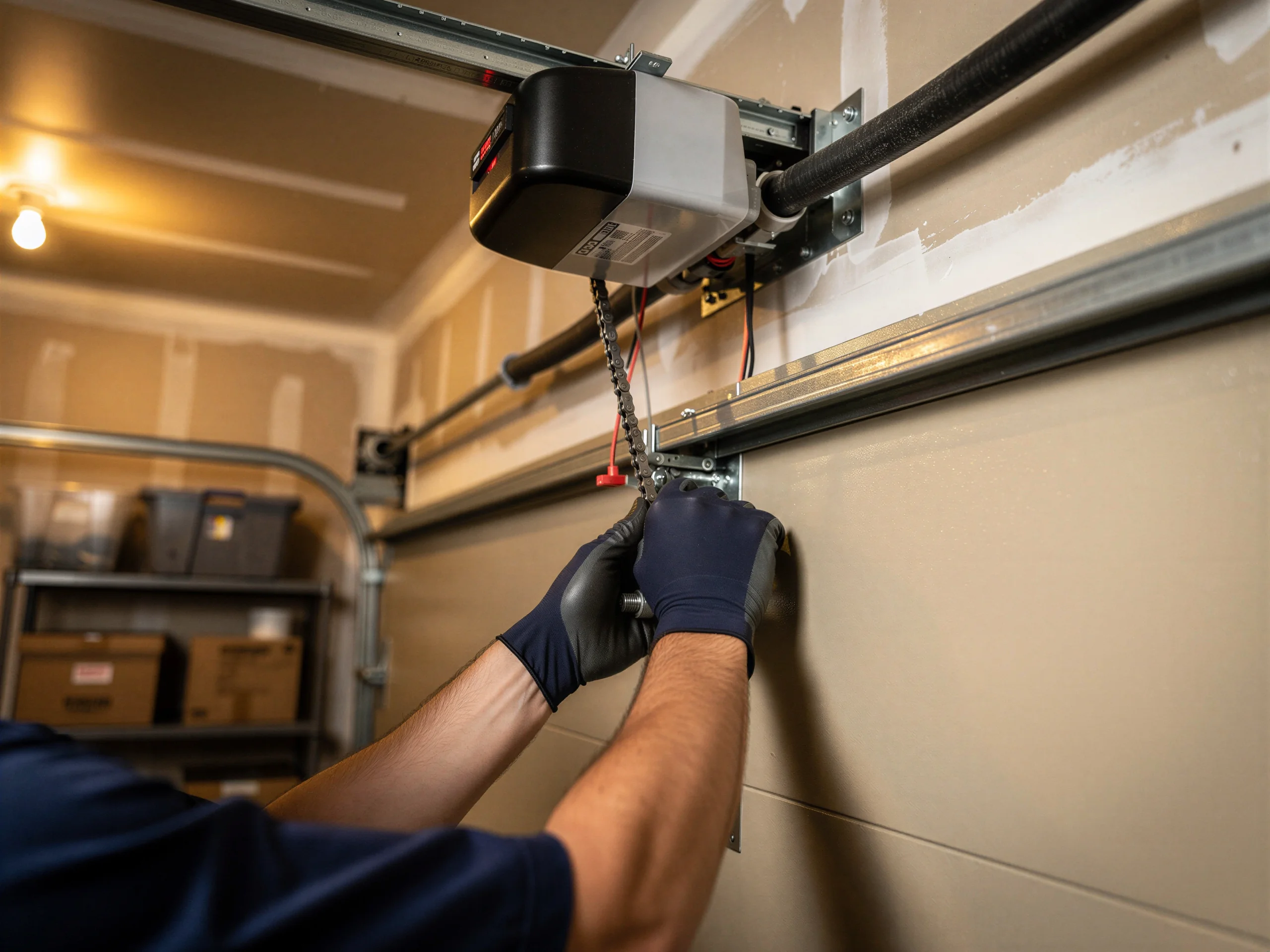
The other pattern we see is the opener outliving its gears before the door outlives its springs, because openers on these houses were frequently retrofit additions rather than original equipment, installed on a different schedule than the door itself. That mismatch means two different clocks are running on one garage, and they rarely hit zero at the same time.
Why This Fails Locally
Bensenville's median household income sits at $78,298, well under the $105,461 median across the wider service area this company covers. That gap matters for how repair decisions actually get made here: more owners choose to fix what's on the door rather than replace the whole unit, which means more springs, cables, and rollers get serviced on hardware that's already decades old instead of being retired.
With roughly 6,834 households in Bensenville, it's also a smaller pocket than many of the other towns in this service area - a tighter, denser run of similar-aged houses rather than a sprawl of mixed eras. That consistency cuts one way and helps another: parts on these doors tend to be predictable, but when a style goes out of production, a lot of houses here are hunting the same obsolete piece at once.
The upshot is that a repair call in Bensenville is more likely to involve coaxing another few years out of original equipment than swapping in something new, and pricing a job here often means weighing a $150 spring repair against a four-figure full replacement on a door that's already outlasted its warranty by decades.
Where This Job Goes Sideways
The most common misdiagnosis on these older steel doors is blaming the opener for what's actually a spring problem. A door that's hard to lift by hand will strain an opener motor until it burns out - so you replace the opener, the door still won't lift right, and the real problem (a spring that lost tension years ago) never got touched.
Discontinued panel match
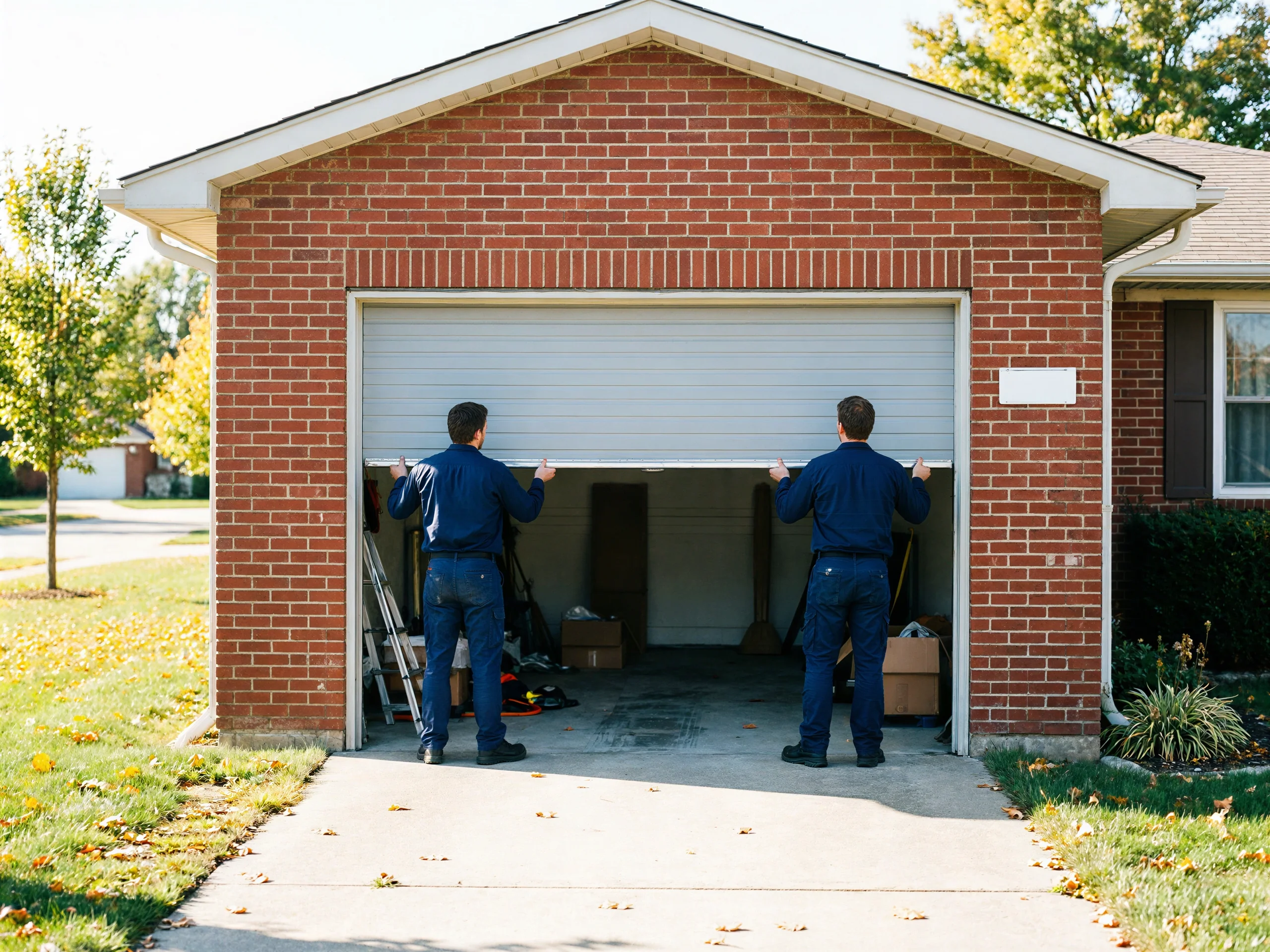
The second place it goes sideways is panel matching. A single dented or rusted-through panel on a 1970-era steel door often can't be ordered to match; the manufacturer may not exist anymore, or the profile was discontinued before replacement panels became standard practice.
Three-way repair choice
At that point you're choosing between a visible mismatch, a salvage hunt, or a full door swap - and nobody wants to make that call standing in the driveway.
Wrong-spring specification
The third: side-mounted torsion springs on houses this age are sometimes wound to specs that don't match what's commonly stocked today, so a tech who doesn't check the drum size before ordering can show up with the wrong spring twice. We check it before the truck leaves, not after.
What It Costs
We don't have a published price list to quote here, and it would be dishonest to put a number on the page that isn't backed by anything - every job on a door this age depends on what's actually failed and whether the part still exists to order. What we can tell you honestly is the shape of the decision: a spring, cable, or roller repair on one of these 1970-era steel doors is almost always cheaper than replacement, and for most of them it's the right call.
Where that flips is panel damage on a door whose profile is discontinued, or an opener and a spring failing in the same visit - at that point, patching one more system onto a door that's already past its expected life sometimes costs more over two years than putting in a new insulated door once. We'll say so if that's what we find, instead of running up a repair bill on a door that's on its way out regardless.
Given Bensenville's lower median income relative to the rest of the service area, we'd rather quote the real fix than the upsell - a door that's wound and rolling straight is the goal, not a sale.
Talk to a local pro
Garage door service in Elk Grove Village?
Same-day service with honest, upfront quotes.