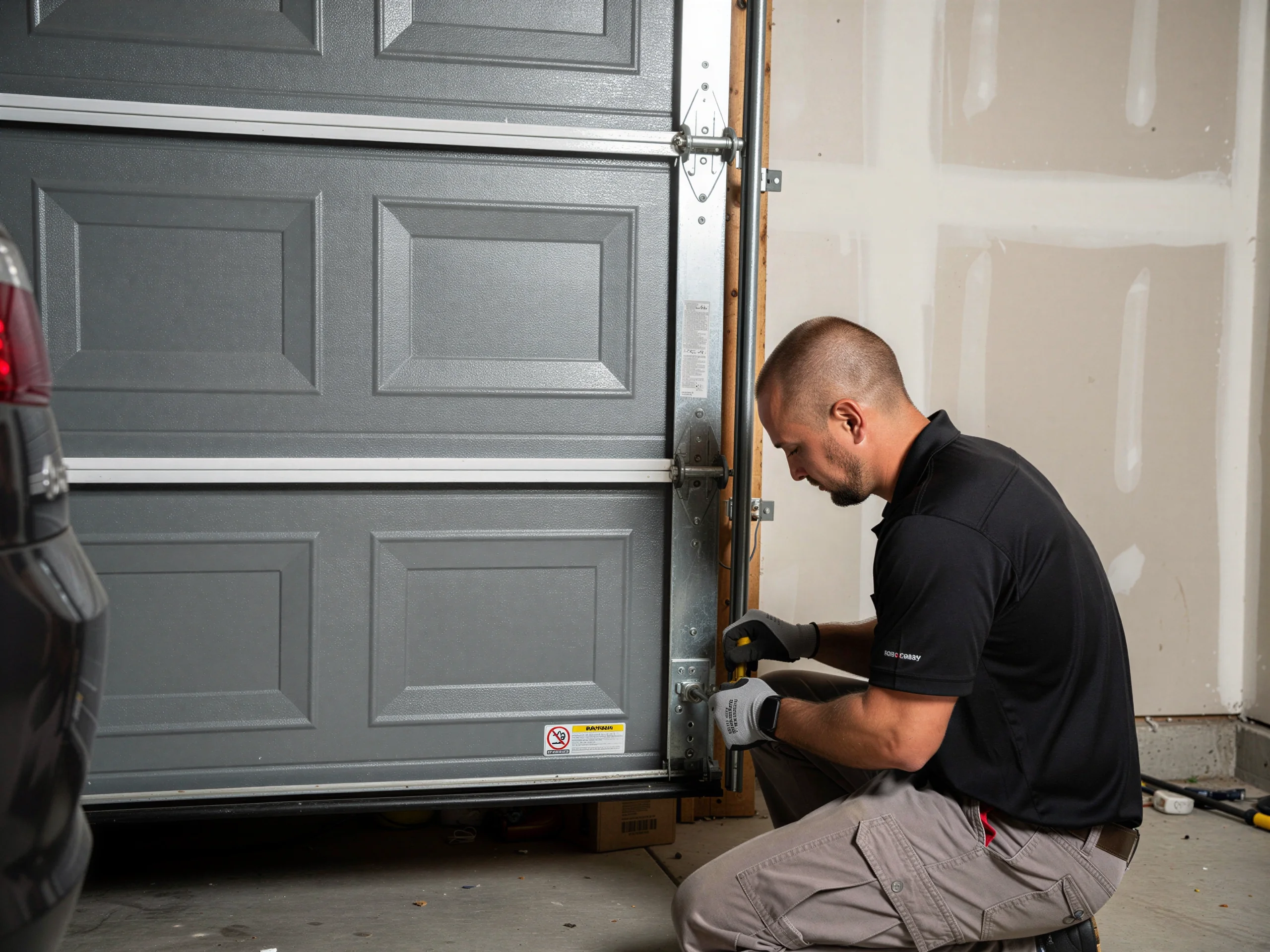
How Long You Are Without the Door
A lot of garages in Glen Ellyn still have hardware that went in when the house was built, and the median build year here is 1972.
Half-century component age
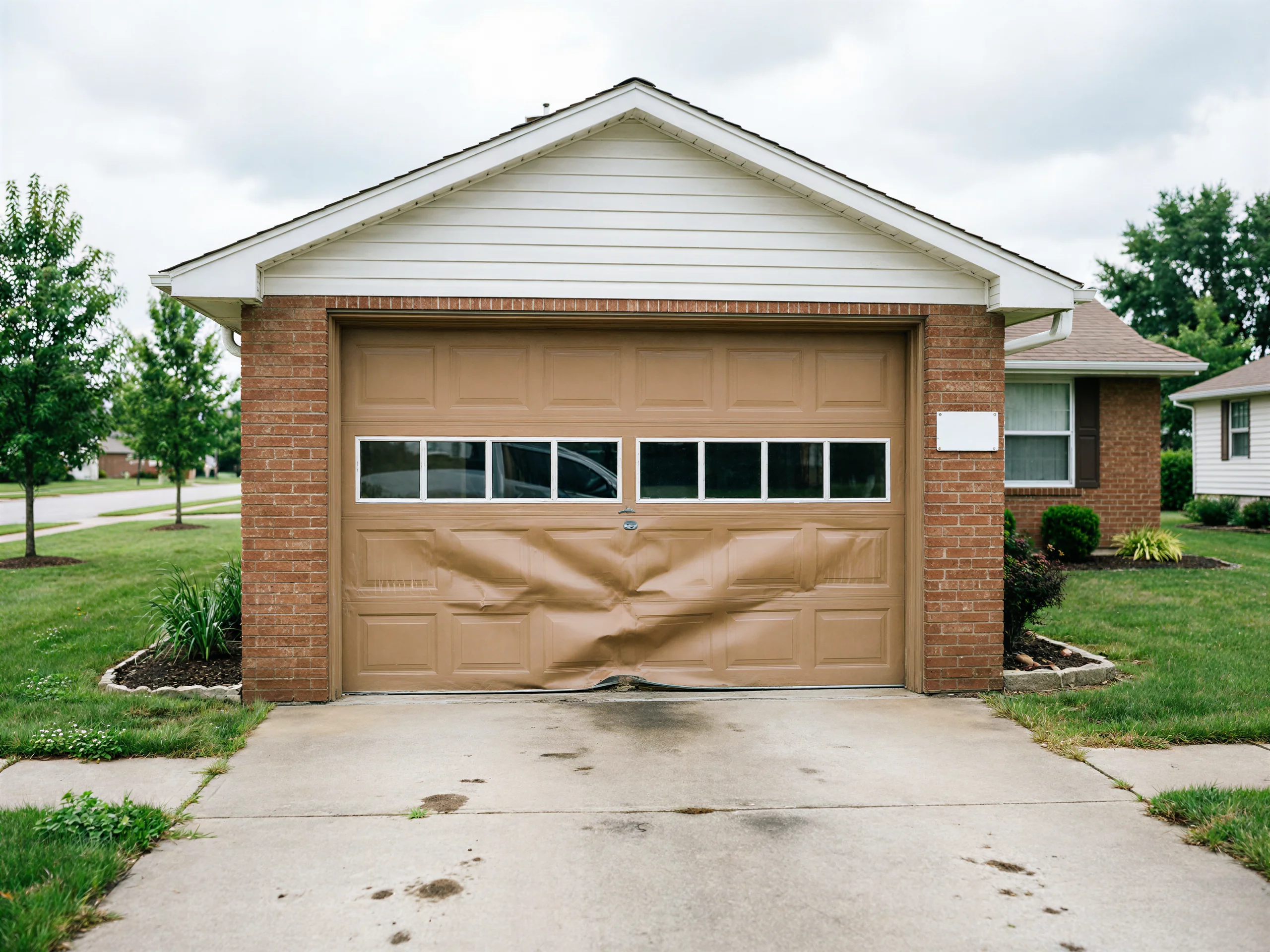
That's over fifty years on a spring, a cable, or a set of rollers that were never designed to run that long. When one of those parts lets go, the door usually won't move at all, not just move badly - torsion springs on houses this age tend to fail all at once, not gradually.
Ten-mile dispatch
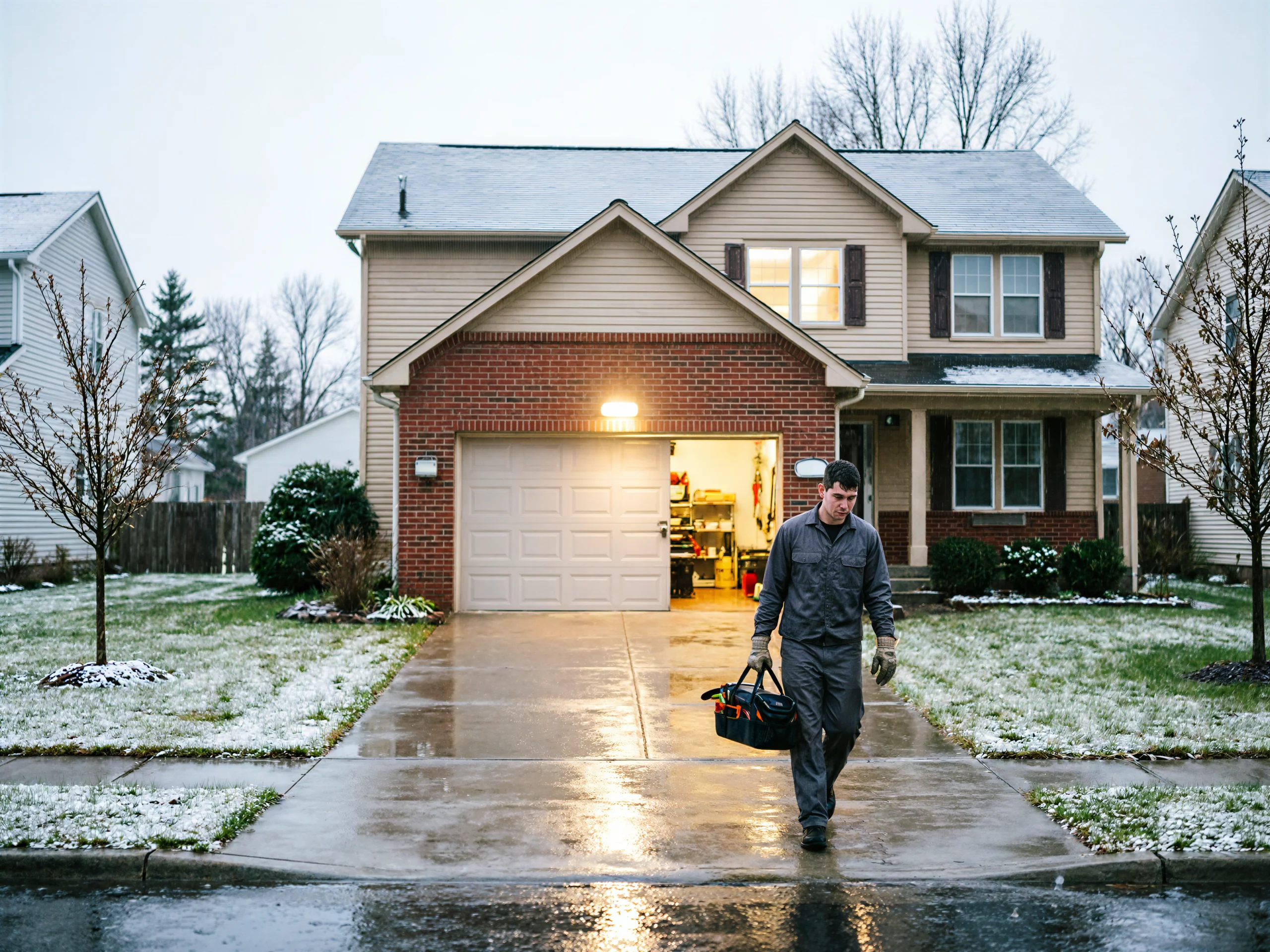
We come out from Elk Grove Village, about 10 miles away, so we're not sitting in a depot three streets over. Once we're on site, most spring and cable jobs are a same-visit fix because the failure point is usually one of a short list of parts on a door this old.
Track-width part delays
What takes longer is anything that needs a part specific to an older track width or an opener model that's been out of production for years - that can mean a return trip once the part is in hand. We'll tell you on the spot which kind of job you've got.
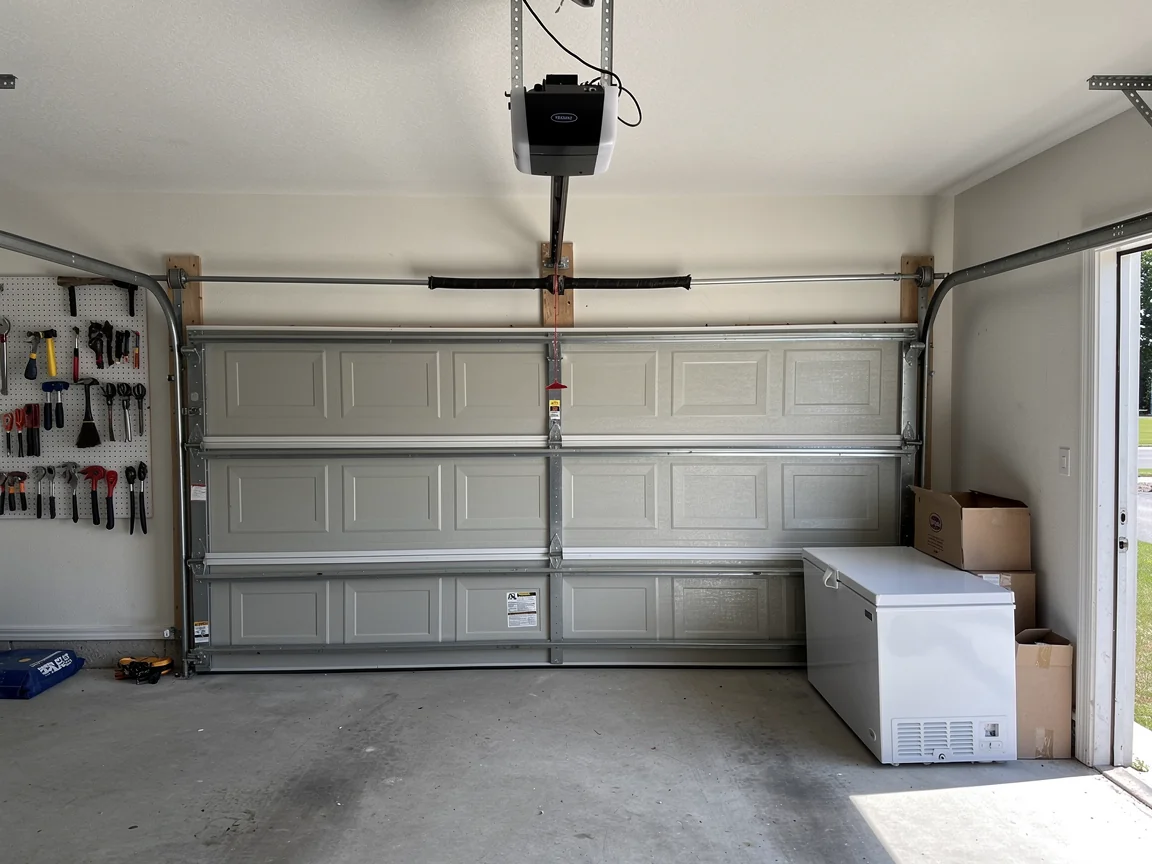
What It Costs
We don't have a published price list for this area to quote you here, and giving you a number that isn't tied to your actual door would be worse than giving you none. What we can tell you is what drives the cost on a 1972-era door: whether the spring size is still a common one or an older gauge that costs more to source, whether the track is original and needs full replacement versus a spot repair, and whether the opener is a legacy chain-drive unit where parts are getting harder to find.
Glen Ellyn's median household income, at $133,346, runs well above the service area's overall figure of $105,461, and we mention that only because it tends to correlate with homeowners choosing to replace an aging door outright rather than keep patching fifty-year-old hardware piece by piece. Either path is reasonable. We'll lay out both options - repair now, or replace before the next part fails - once we've actually looked at your door.
Where This Job Goes Sideways
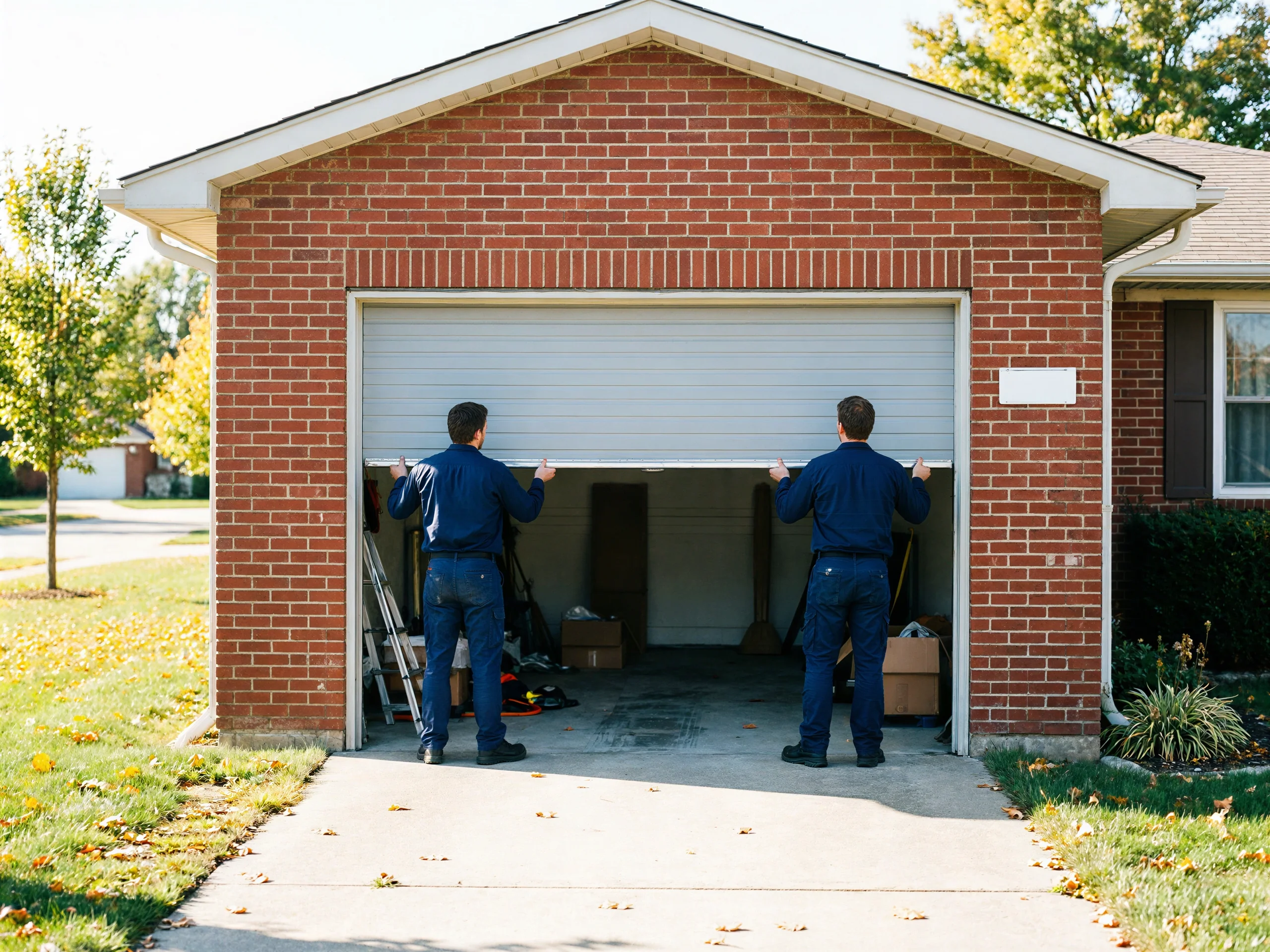
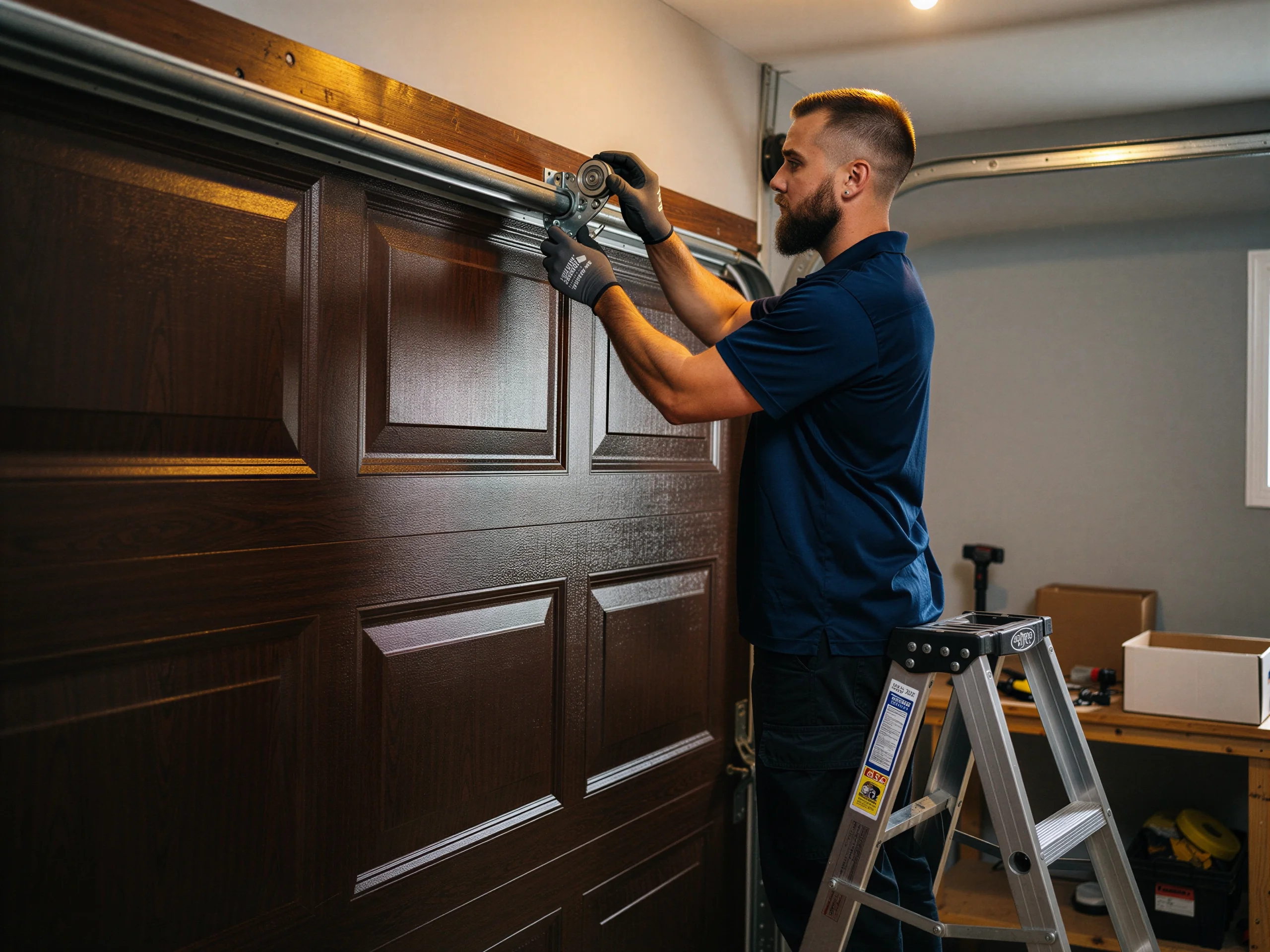
The trouble spot on houses from this era is usually the track-to-jamb hardware. Over five decades, the original mounting brackets loosen, the wood they're screwed into can soften, and a door that looks like it just needs a new spring actually needs the whole track realigned and reset into solid material. Skip that step and the new spring just fails again in a year, sometimes faster.
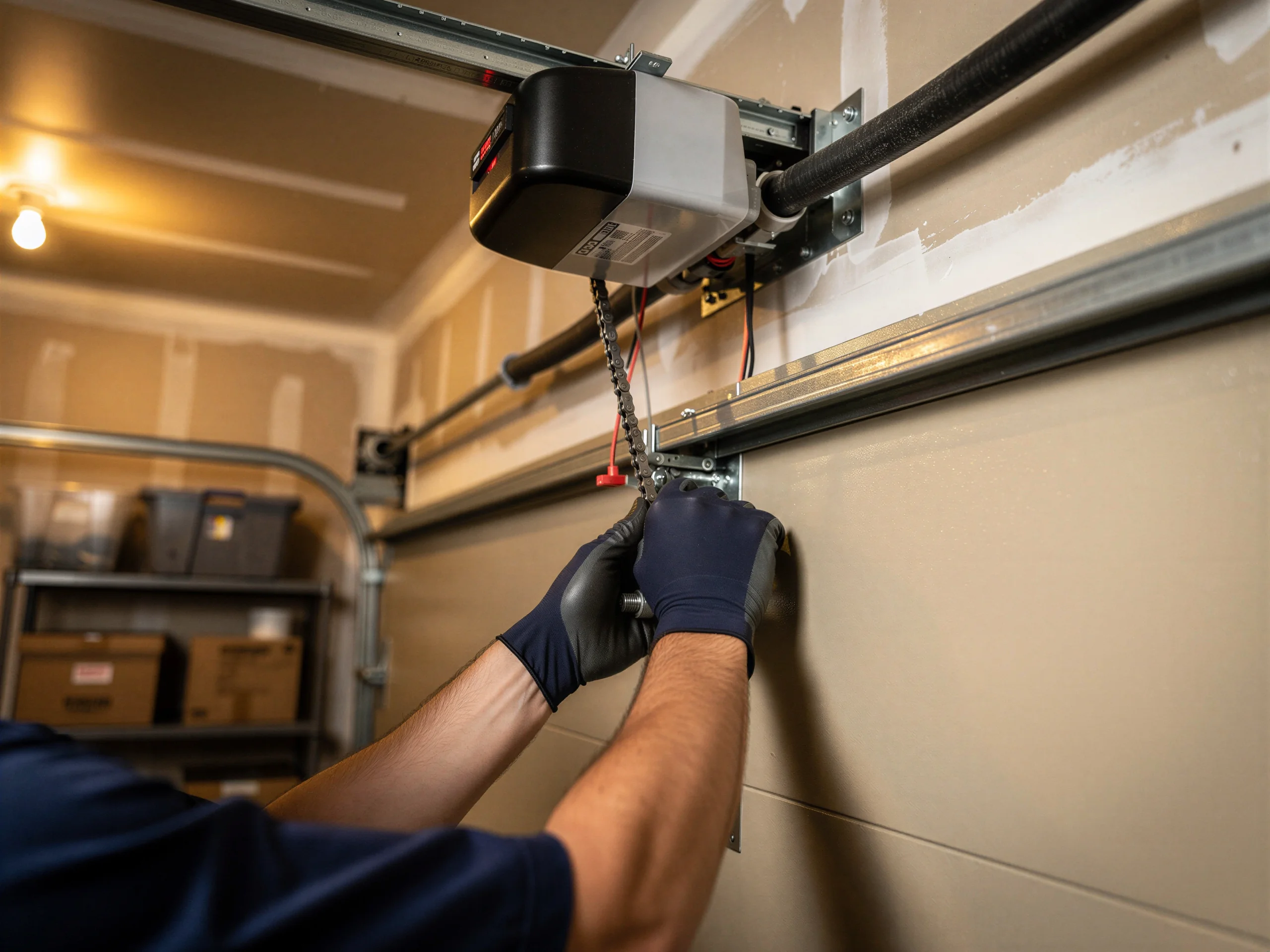
The other place we see trouble: openers installed as an aftermarket add-on sometime after the house was built, bolted to framing that was never meant to carry that load. If the opener's travel limits are off or the safety reversal doesn't work right, that's not a spring problem at all, and treating it like one wastes your money. With roughly 10,833 households in Glen Ellyn, we see this same pattern often enough that it's not an edge case - it's close to the default on original-hardware doors here.
How We Fix It
First thing we do is separate the spring problem from the track problem, because on a door this age they often travel together and only one of them is usually obvious to the homeowner.
Current weight spring check
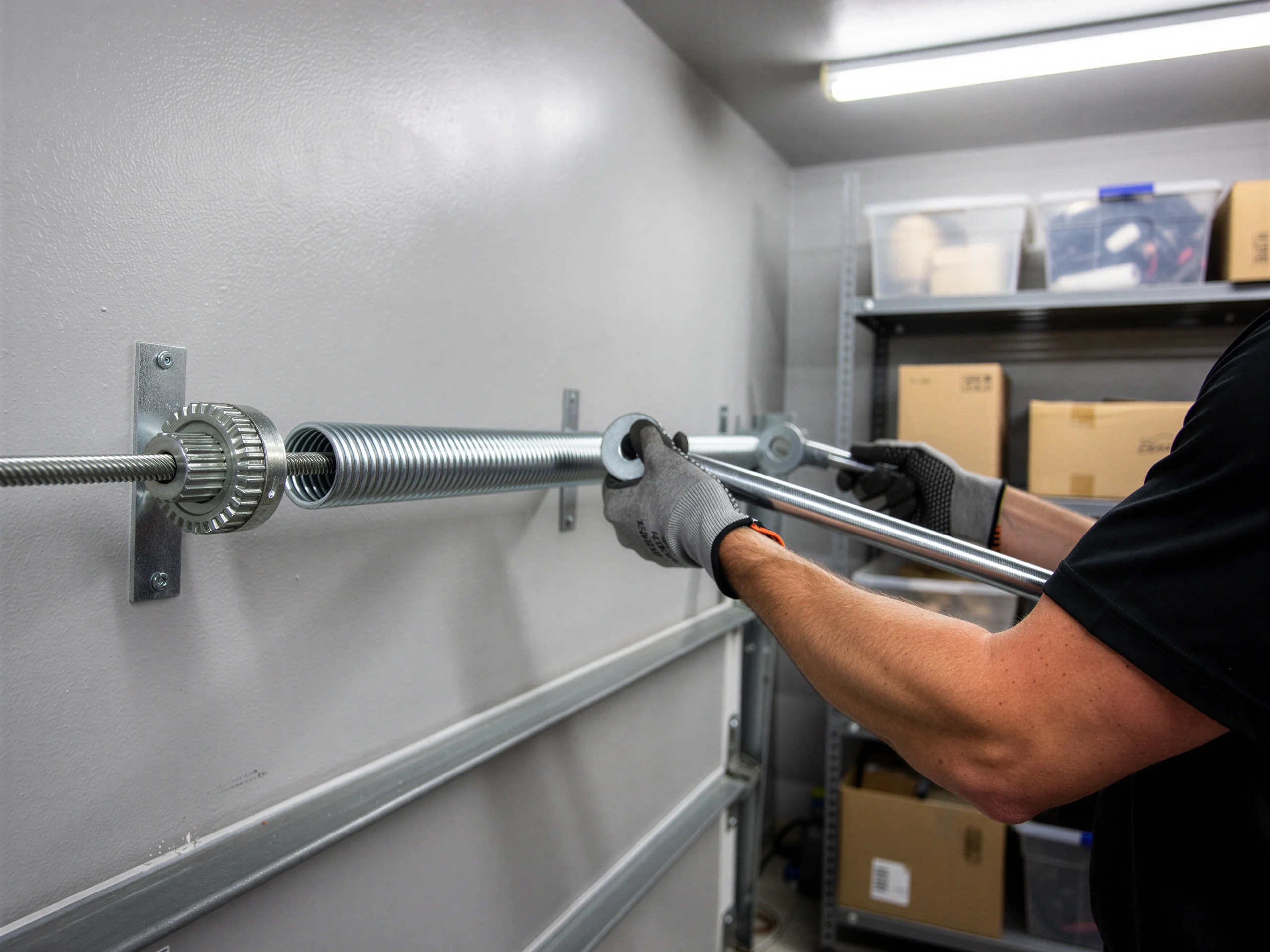
We check the torsion spring wind and size against what the door actually needs now, not what was spec'd in 1972 - doors get heavier over the years as panels pick up moisture and wear, and the original spring may be undersized for the door's current weight.
Jamb hardware resetting
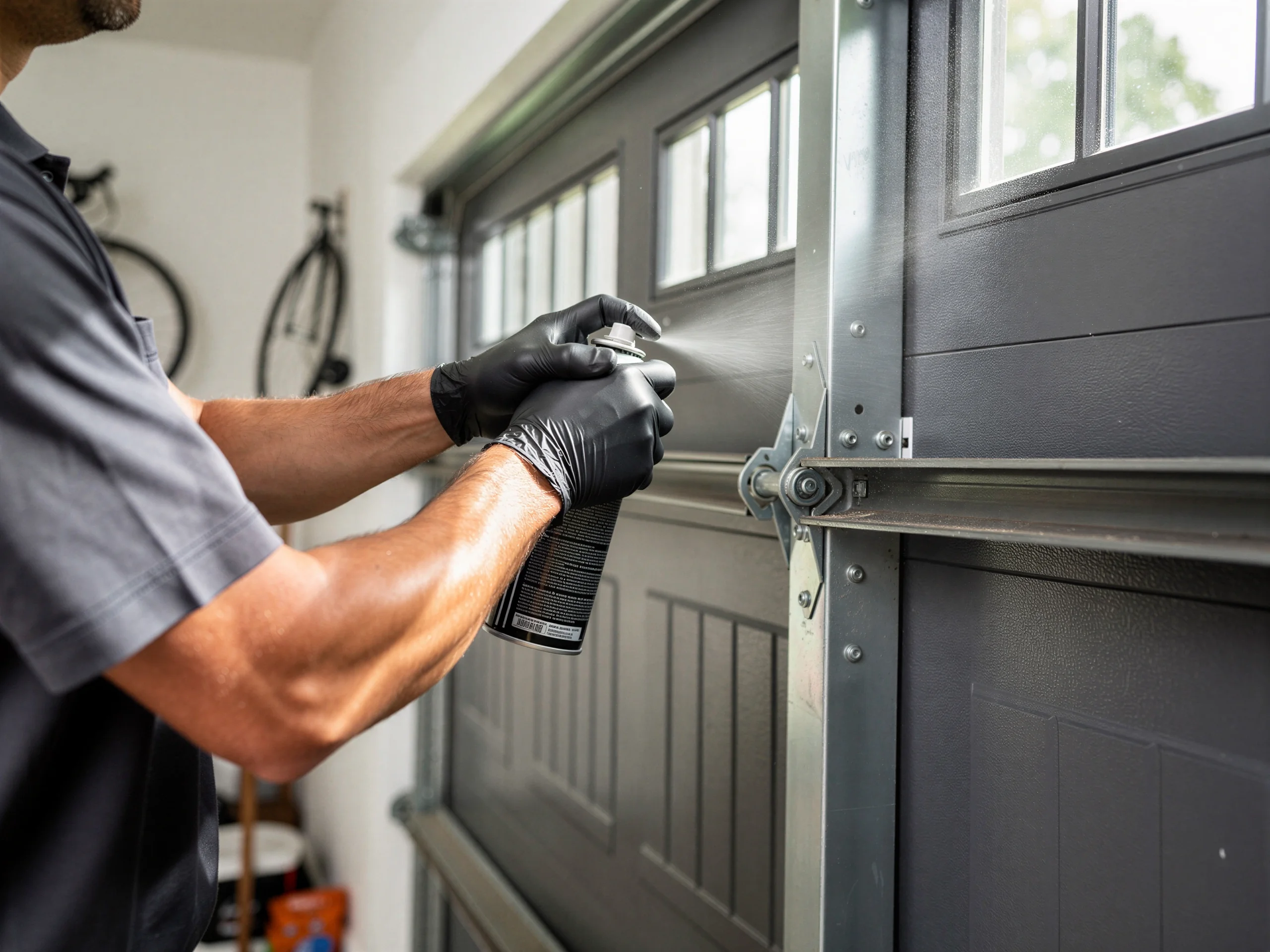
If the track or jamb hardware has drifted, we reset and resecure it before touching the spring, so the fix holds. Cold-climate swings put extra strain on steel hardware through the winter months, which is part of why original fasteners loosen ahead of schedule in this area.
Discontinued model limit
One honest limit: if the opener or track is a model that's been discontinued for parts, we'll tell you straight that replacement is the better call rather than chasing a part that may take weeks to source.
Talk to a local pro
Garage door service in Elk Grove Village?
Same-day service with honest, upfront quotes.